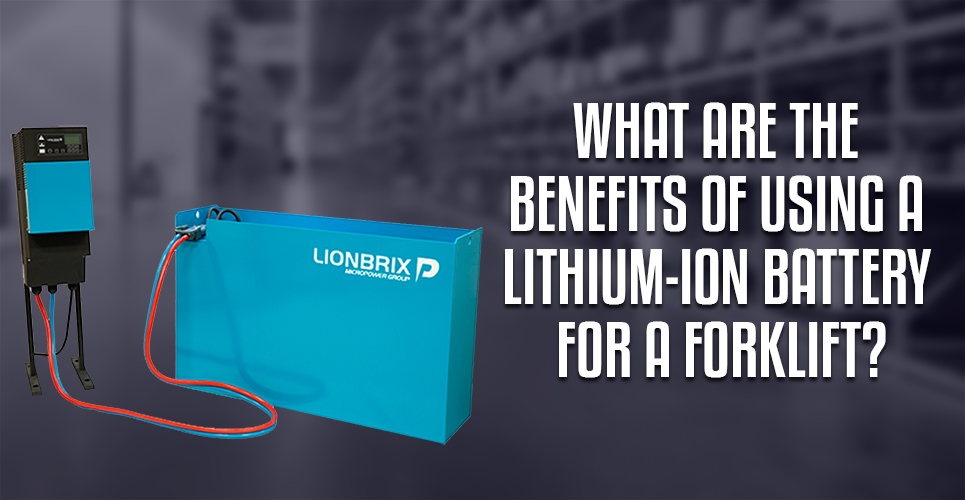


The efficiency and productivity of material handling operations heavily rely on the type of battery powering the forklifts. In South Africa, where businesses are constantly seeking ways to optimize performance and reduce operational costs, the choice of forklift battery is crucial. Lithium-ion batteries have emerged as the top choice, offering numerous advantages over traditional lead-acid batteries. Let’s explore why lithium-ion batteries are the best choice for forklifts in South Africa, highlighting their benefits, cost-effectiveness, and environmental impact.
Top Benefits of Lithium-Ion Batteries for Forklift
Lithium-ion batteries offer numerous advantages for forklifts, including consistent power output, rapid charging times, and extended lifespan. Their low maintenance requirements and energy efficiency significantly reduce operational costs. Additionally, lithium-ion batteries are environmentally friendly, lacking toxic components like lead and acid, and have higher recycling rates. These benefits make them the ideal choice for enhancing forklift performance and sustainability in industrial operations. Here are the top benefits of lithium-ion batteries for forklift and material handling business in South Africa.
Superior Performance and Efficiency: One of the primary reasons why lithium-ion batteries are favored over lead-acid batteries is their superior performance and efficiency. Lithium-ion batteries provide consistent power output throughout the entire charge cycle, ensuring that forklifts maintain optimal performance even as the battery depletes. This contrasts with lead-acid batteries, which experience a gradual decline in power output as they discharge.
Faster Charging Times: Lithium-ion batteries charge significantly faster than their lead-acid counterparts. A full charge can be achieved in as little as one to two hours, compared to the eight hours or more required for lead-acid batteries. This rapid charging capability means that forklifts can spend more time in operation and less time out of service, enhancing overall productivity. For South African warehouses and distribution centers operating around the clock, the reduced downtime associated with lithium-ion batteries translates to substantial operational benefits. The Forklift battery needs faster charging and the Lithium-ion batteries are the smart choice than normal batteries.
Cost-Effectiveness of Lithium-Ion Batteries: Although the initial investment for lithium-ion batteries may be higher than for lead-acid batteries, their long-term cost-effectiveness is undeniable. Lithium-ion batteries have a significantly longer lifespan, often lasting three to five times longer than lead-acid batteries. This longevity reduces the frequency of battery replacements, saving businesses money over time. Additionally, lithium-ion batteries require minimal maintenance, as they do not need regular watering, equalizing, or cleaning to prevent acid spills. For South African businesses looking to reduce maintenance costs and extend the life of their equipment, lithium-ion batteries are the ideal solution.
Energy Efficiency and Reduced Operational Costs: Lithium-ion batteries are more energy-efficient, with higher charge and discharge efficiencies compared to lead-acid batteries. They convert a larger percentage of the energy from charging into usable power, reducing energy waste and lowering electricity costs. This energy efficiency, combined with the reduced need for battery replacements and maintenance, contributes to significant operational cost savings. Using the Forklift battery in South Africa will help reduce material handling and warehouse business from all aspects.
Environmental Impact of Lithium-Ion Batteries
Lithium-ion batteries are a more environmentally friendly option compared to lead-acid batteries. They do not contain toxic lead or acid, eliminating the risk of hazardous spills and contamination. Additionally, lithium-ion batteries have a higher recycling rate, and their longer lifespan reduces the number of batteries that need to be disposed of over time. For South African businesses committed to sustainability and reducing their environmental footprint, choosing lithium-ion batteries aligns with these goals and contributes to a cleaner and safer environment.
In conclusion, lithium-ion batteries offer numerous advantages that make them the top choice for powering forklifts in South Africa. Their superior performance, faster charging times, cost-effectiveness, and environmental benefits provide a compelling case for businesses to transition from lead-acid to lithium-ion batteries. By investing in lithium-ion technology, South African businesses can enhance their material handling efficiency, reduce operational costs, and contribute to a more sustainable future. For expert guidance and high-quality lithium-ion battery solutions, trust The Forkman to meet your needs and support your business growth.