



Milan Soni

0

0

2


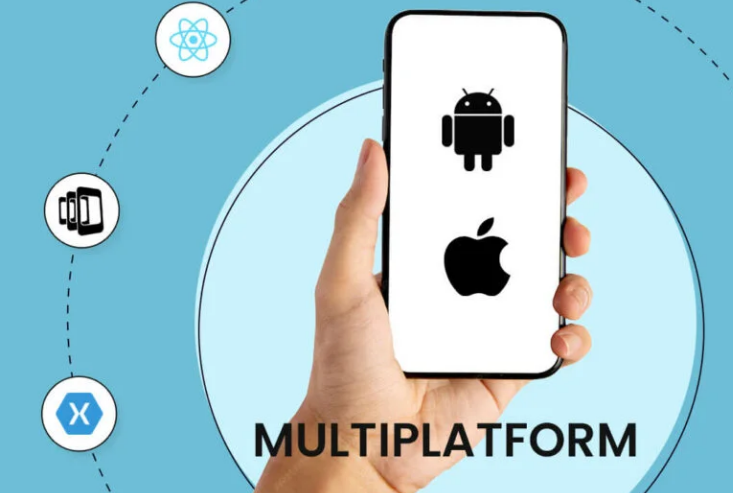
Despite its many benefits, multiplatform mobile app development can present challenges such as performance optimization and platform-specific customization. Developers need to be adept at navigating these issues to deliver seamless and high-performing apps across all platforms.
Performance Optimization:
- Balancing Code Reusability vs. Native Performance: While code reuse is a major advantage of multiplatform development, it can sometimes lead to performance limitations compared to native apps. Developers need to strike a balance between reusability and platform-specific optimizations. This might involve using techniques like just-in-time (JIT) compilation or native code rendering for performance-critical parts of the app.
- Resource Consumption: Cross-platform frameworks add an extra layer between the app and the device's hardware. This can lead to higher resource consumption compared to native apps. Developers need to be mindful of memory usage and battery drain, and optimize the code accordingly.
Platform-Specific Customization:
- Limited Access to Native SDKs: Some features and functionalities are best achieved using platform-specific SDKs (Software Development Kits). Multiplatform frameworks might not provide complete access to these native SDKs, limiting some advanced features or customization options.
- Addressing UI/UX Inconsistencies: Different platforms have their own design guidelines and user interface (UI) elements. A one-size-fits-all approach for UI design in a multiplatform app can lead to inconsistencies across platforms. Developers need to be skilled in designing UIs that feel native to each platform while maintaining a core brand identity.
0
0
2
Milan Soni
From the Author

Related Articles
In this blog, we will take a closer look at what rental inventory management software does. Furthermore, we will also explore the additional possibilities of inventory management software for various market sectors. The functioning of inventory management software is quite simple, it works on demand and supply principle. In a nutshell, the rental inventory management software understands the need for an item in the inventory. From manufacturing to production, rental inventory management software is a demanding digital tool that is leveraged by everyone.
0
0
3

Understanding Mobile App Development Services: Unveiling Opportunities with AppifysIn today's fast-paced digital era, the significance of mobile applications cannot be overstated. Companies like Appifys lead the charge, offering comprehensive mobile app development services designed to cater to diverse business needs. The Mobile App Development Process: From Concept to LaunchThe mobile app development process is a complex and multifaceted endeavor that requires meticulous planning and execution. Staying Ahead with Mobile App Development Trends: Insights from AppifysAs the mobile app industry evolves, staying updated with the latest trends is crucial for success. Valuable Mobile App Development Tips: Insights from Appifys ExpertsOver the years, the experts at Appifys have gathered valuable insights and tips to help developers excel in mobile app development:1.
0
0
3

Read how new Multiplatform 1. 0 Framework is going to help developers simplify user interface development for Kotlin apps using an extensive UI code shared between Android desktop and web. Know more: https://bit. ly/3eeXKRX
0
0
1