Tooth-colored fillings, also known as composite fillings, have become increasingly popular due to their aesthetic appeal and functional benefits. One common question patients have is about the longevity of these fillings compared to traditional silver amalgam fillings. Understanding how long tooth-colored fillings last involves considering various factors, including the material used, the size and location of the filling, oral hygiene practices, and individual patient habits. This article explores the factors influencing the lifespan of tooth-colored fillings and provides insights into their durability based on current research and clinical experience.
Composition and Material Science
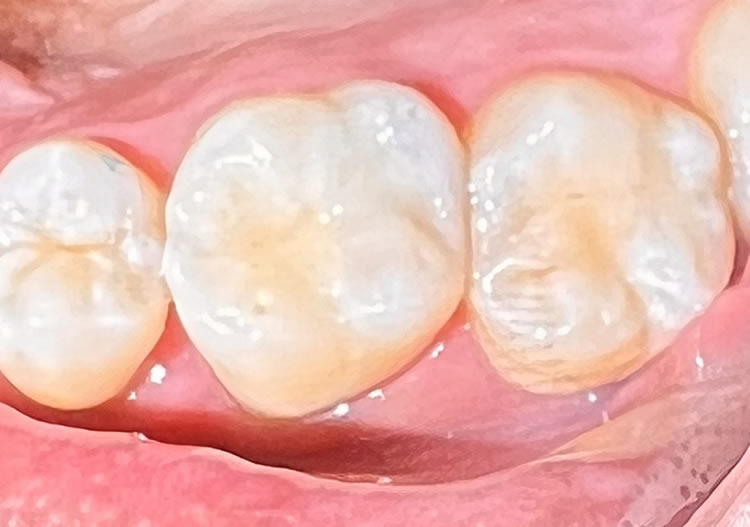
Tooth-colored fillings are primarily composed of a resin matrix reinforced with inorganic fillers such as silica or quartz particles. These materials are selected for their ability to mimic the natural appearance of tooth enamel while providing adequate strength and durability for everyday chewing and biting forces. The resin matrix is typically a blend of bisphenol-A-glycidyl methacrylate (Bis-GMA) or related compounds, which polymerize and harden when exposed to a curing light during the placement procedure.
Factors Affecting Longevity
- Size and Location of the Filling: The size and location of the filling play a significant role in determining its lifespan. Small to moderate-sized tooth-colored fillings placed in low-stress areas of the mouth (such as front teeth or small occlusal surfaces of molars) tend to have better longevity compared to larger fillings or those placed in high-stress areas (such as large chewing surfaces of molars).
- Quality of Placement: The technique used during the placement of tooth-colored fillings is crucial to their longevity. Proper isolation of the tooth from saliva, meticulous cleaning and preparation of the cavity, and precise placement and curing of the composite material all contribute to the durability of the filling. Experienced dentists who specialize in cosmetic and restorative dentistry can ensure that fillings are placed correctly to maximize their lifespan.
- Oral Hygiene Practices: Good oral hygiene habits, including regular brushing, flossing, and routine dental check-ups, are essential for maintaining the longevity of tooth-colored fillings. Proper oral hygiene helps prevent recurrent decay around the margins of the filling and reduces the risk of complications that could compromise the integrity of the restoration.
- Biting and Chewing Habits: Patients with habits such as teeth grinding (bruxism) or chewing on hard objects may experience more wear and tear on their fillings over time. Dentists may recommend using a night guard or modifying behavior to protect dental restorations and prolong their lifespan.
- Material Quality and Advances: Advances in dental materials have led to improvements in the durability and wear resistance of tooth-colored fillings. Newer composite materials are designed to withstand the forces of chewing and biting more effectively than earlier formulations, contributing to longer-lasting restorations.
Longevity Studies and Clinical Experience
Research and clinical studies provide valuable insights into the longevity of tooth-colored fillings:
- Clinical Studies: Studies have shown that properly placed composite fillings can last for many years. The lifespan of tooth-colored fillings varies widely depending on the factors mentioned above, but they can generally be expected to last between 7 to 10 years on average.
- Long-Term Follow-Up: Long-term studies with follow-up periods of 10 years or more have demonstrated that composite fillings can remain functional and esthetically pleasing with proper care and maintenance. Regular monitoring by a dentist is important to detect any signs of wear, leakage, or decay around the filling.
- Patient-Specific Factors: Individual patient factors, such as oral health habits, diet, and overall health, can also influence the longevity of tooth-colored fillings. Patients who maintain good oral hygiene and attend regular dental check-ups are more likely to enjoy longer-lasting dental restorations.
Maintenance and Care Tips
To maximize the lifespan of tooth-colored fillings, patients can follow these maintenance and care tips:
- Practice Good Oral Hygiene: Brush twice a day with fluoride toothpaste, floss daily, and use an antiseptic mouthwash to reduce plaque buildup and maintain oral health.
- Attend Regular Dental Check-Ups: Schedule routine dental visits every 6 months or as recommended by your dentist for professional cleanings and examinations. This allows your dentist to monitor the condition of fillings and detect any issues early.
- Avoid Habits That Can Damage Fillings: Avoid chewing on hard objects like ice, pens, or fingernails, and consider using a mouthguard if you grind your teeth at night (bruxism).
- Monitor for Signs of Wear or Damage: Be mindful of any changes in the appearance or sensitivity of your fillings and report them to your dentist promptly.
Conclusion
Tooth colored fillings Lewisville offer a durable and aesthetically pleasing option for restoring teeth affected by decay or damage. While their longevity depends on various factors including material quality, placement technique, oral hygiene practices, and patient habits, composite fillings can typically be expected to last between 7 to 10 years on average. Regular dental care and maintenance are essential for prolonging the lifespan of tooth-colored fillings and ensuring optimal oral health outcomes. By understanding these factors and working closely with a dental professional, patients can make informed decisions about their dental treatment and enjoy the benefits of tooth-colored fillings for many years.