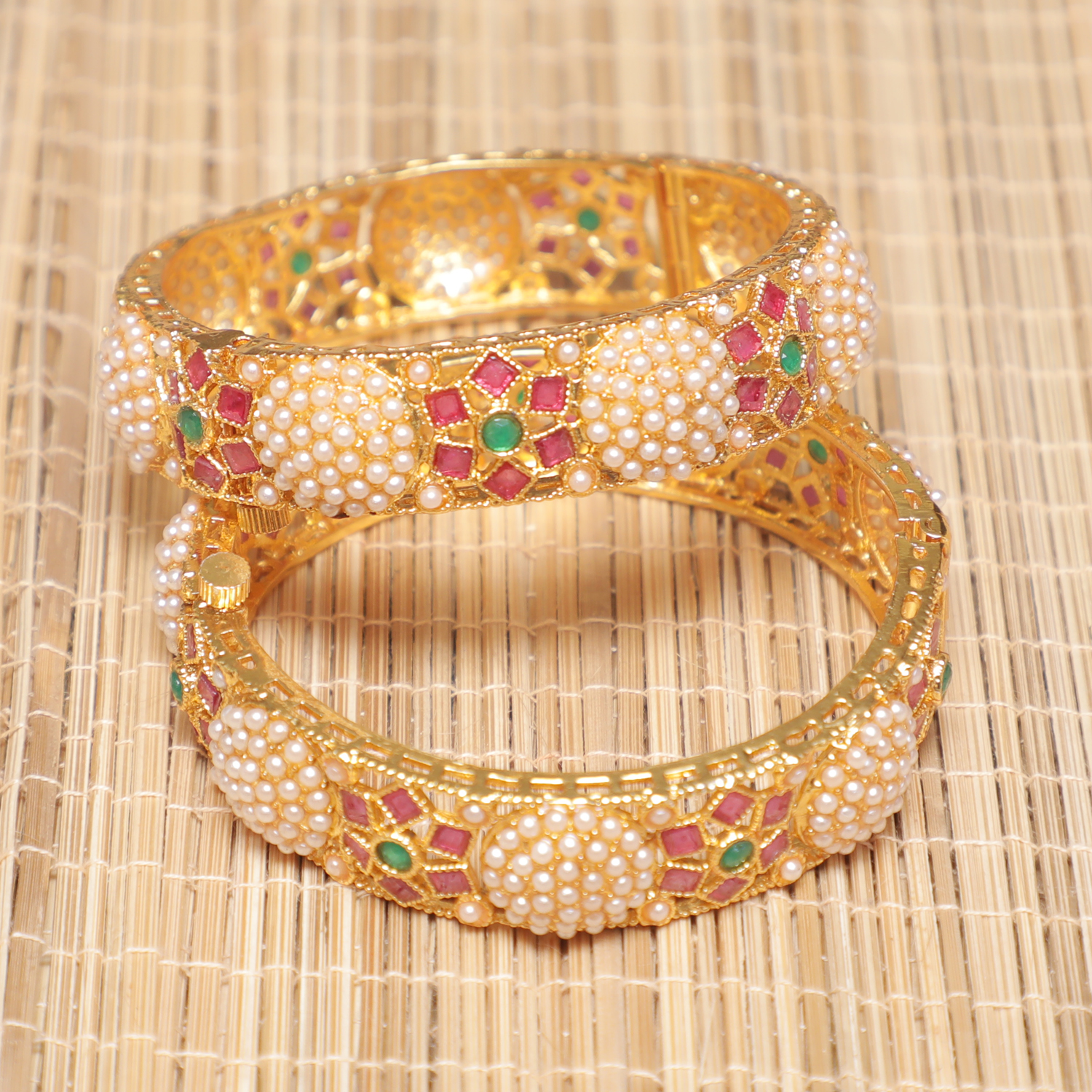



Nose pins are jewelry worn through a nose piercing. While they are often seen as a fashion statement today, nose pins have a rich history and hold various symbolic meanings in different cultures. Let's explore the significance of the nose pin worldwide.
Nose Pins in Indian Culture
In India, nose pins are deeply rooted in tradition. They are often associated with marital status and are a common adornment for married women. The practice of wearing nose pins in India dates back to ancient times, and it is believed that the Mughals brought them from the Middle East.
Symbolism in Indian Culture
Marital Significance: Married women traditionally wear a nose pin, or "Nath," as it is called in Hindi, to signify their marital status.
Health Beliefs: In Ayurvedic medicine, piercing the left nostril is believed to ease childbirth and alleviate menstrual pain.
Religious Practices: Nose pins are also worn during religious ceremonies and festivals, adding to their cultural importance.
Nose Pins in Middle Eastern Culture
In Middle Eastern cultures, nose pins are a symbol of wealth and status. They have been worn for centuries, with historical records indicating their use as far back as Biblical times.
Symbolism in Middle Eastern Culture
Wealth and Status: A nose pin often symbolizes wealth and social standing. The more elaborate and precious the nose pin, the higher the status of the wearer.
Dowry Tradition: In some cultures, nose pins are part of the dowry given to brides, symbolizing the wealth she brings into her new family.
Nose Pins in African Culture
In various African cultures, nose pins and rings are used as tribal markers and symbols of beauty. They hold different meanings depending on the tribe and region.
Symbolism in African Culture
Tribal Identity: Nose pins can signify membership in a particular tribe or ethnic group.
Beauty and Aesthetics: In many African cultures, nose pins are considered a mark of beauty and are worn by both men and women.
Rite of Passage: Nose piercings can also be part of rites of passage, marking the transition from childhood to adulthood.
Nose Pins in Western Culture
In Western culture, the nose pin has evolved primarily as a fashion accessory. Its popularity surged in the 1960s and 1970s, influenced by the hippie movement and later by punk and alternative fashion trends.
Symbolism in Western Culture
Fashion Statement: For many, wearing a nose pin is a way to express individuality and personal style.
Rebellion and Non-conformity: Nose pins were initially seen as symbols of rebellion against traditional norms, though they have become more mainstream over time.
Cultural Fusion: The adoption of nose pins in Western fashion often borrows from the traditions of other cultures, celebrating diversity and global influence.
Conclusion
The nose pin is much more than just a piece of jewelry. It carries deep cultural, social, and personal meanings across different regions of the world. Whether as a symbol of marital status, wealth, tribal identity, or personal expression, the nose pin continues to be a powerful adornment with a rich history.
By understanding the nose pin's diverse significance, we can appreciate this small yet meaningful piece of jewelry in a whole new light.


SABI is a brand of bohemian handcrafted silver jewellery.
The significance of silver jewellery for women is no mystery, and the designers at SABI are efficient in preparing the best and sterling jewellery in India.
You can opt for any of the 92.5 silver jewellery design including neckpiece, anklets, bangles, earrings, nose pin, ring, and toe ring.