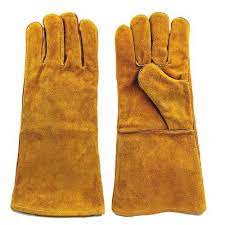
Being a skilled occupation, welding requires accuracy, knowledge, and safety above all else. Central to the equipment of any welder are leather welding gloves, essential for protecting hands from heat, sparks, and potential burns. In this detailed guide, brought to you by Joysun Safety Gear Ltd, we delve into everything you need to know about selecting the best leather welding gloves—from hobbyist to professional use.
Why do Welding welding gloves matter?
When it comes to welding, safety is paramount. Leather welding gloves serve as a critical line of defense against the hazards associated with welding processes. These gloves not only shield hands from extreme temperatures and sparks but also offer the dexterity and comfort necessary for precise work. Whether you're a hobbyist exploring welding as a passion or a seasoned professional in the field, choosing the right gloves can significantly enhance both safety and performance.
Key Features to Look For
Choosing the best leather welding gloves involves considering several key features. The type of leather used plays a crucial role; cowhide and goatskin are popular choices for their durability and heat resistance. Look for gloves that offer sufficient insulation against heat without compromising flexibility. Stitching and reinforcement in critical areas ensure longevity and protection against wear and tear in rigorous welding environments.
Different Types of Leather Welding Gloves
Leather welding gloves come in various types, tailored to different welding techniques and preferences. Traditional stick welding gloves are designed for general welding tasks, offering robust protection and flexibility. MIG/TIG welding gloves are more lightweight and provide enhanced dexterity for intricate welding operations. Heavy-duty welding gauntlets with extended cuffs offer maximum protection for intense welding applications, such as overhead welding.
Choosing the Right Leather Welding Gloves
Selecting the appropriate leather welding gloves depends on the specific welding techniques you employ and your comfort preferences. Consider factors such as the level of heat resistance required for your welding processes, the fit that allows for ease of movement and tactile sensitivity, and additional features like extended cuffs for forearm protection. Proper sizing ensures a snug yet comfortable fit that minimizes the risk of glove slippage during work.
Industry Standards and Certifications
To ensure the reliability and safety of leather welding gloves, look for products that meet recognized industry standards and certifications. In North America, gloves may adhere to ANSI standards, while European markets recognize EN certifications. Understanding these standards helps ensure that gloves offer adequate protection against thermal and mechanical hazards associated with welding operations.
Care and Maintenance Tips
Proper care and maintenance are essential to extend the lifespan of leather welding gloves and preserve their protective qualities. Follow manufacturer guidelines for cleaning, which typically involve gentle hand washing with mild detergent and air drying to prevent leather stiffening. To keep gloves supple and avoid early deterioration, store them in a cool, dry location out of direct sunlight. Regular inspection for signs of wear allows for timely replacement when necessary.
Case Studies and User Experiences
Real-life stories from welders underscore the importance of wearing leather welding gloves for safety and comfort during welding tasks. Testimonials often highlight how the right gloves have prevented injuries and enhanced welding efficiency, emphasizing the role of quality protective gear in welding practices.
Comparative Analysis of Top Brands
The market for leather welding gloves offers a range of brands known for their durability, comfort, and performance under welding conditions. Conducting a comparative analysis can help you identify leading brands based on features such as leather quality, ergonomic design, and user feedback. Reviews from fellow welders provide valuable insights into the reliability and effectiveness of different glove models.
Tips for Extending the Lifespan of Your Gloves
Maximize the longevity of your leather welding gloves by adhering to recommended usage guidelines. Avoid exposing gloves to chemicals or excessive heat that can accelerate leather deterioration. When damage occurs, assess whether repairs are feasible or if replacement is necessary to maintain optimal protection. Checking warranty coverage ensures confidence in the durability and reliability of your chosen gloves.
Future Trends in Leather Welding Gloves
Advancements in technology continue to drive innovation in leather welding gloves, with a focus on enhancing comfort, safety, and performance. From the development of heat-resistant coatings to ergonomic designs that minimize hand fatigue, future trends promise gloves that not only meet stringent safety standards but also support sustainable and efficient welding practices.
Choosing the right leather welding gloves is essential for ensuring safety, comfort, and performance in welding environments. By considering the specific features that best suit your welding techniques and adhering to proper care practices, you can confidently select gloves that offer reliable protection and durability throughout your welding career.
FAQs
- What are leather welding gloves made of?
Leather welding gloves are typically made from cowhide or goatskin leather, chosen for their durability and heat resistance.
- Are leather welding gloves fire-resistant?
Yes, leather welding gloves are inherently fire-resistant, protecting against sparks and direct flame exposure.
- Can leather welding gloves protect against electrical hazards?
Leather welding gloves are designed primarily for thermal protection and may not provide adequate insulation against electrical hazards. Additional PPE may be required for electrical welding tasks.
- How should leather welding gloves fit?
Leather welding gloves should fit snugly without restricting movement, ensuring comfort and dexterity during welding operations.
- How often should leather welding gloves be replaced?
Replace leather welding gloves when signs of wear, such as holes, stiffening leather, or weakened stitching, compromise their protective capabilities.