


Cricket, a game of strategy and skill, sees players continuously pushing the limits of their abilities. Among the many aspects of the game, one that consistently captivates fans and analysts alike is the speed at which bowlers deliver the ball. Measuring the speed of a cricket ball is not just a fascination for enthusiasts but a critical component for coaches and players aiming to improve performance. This blog delves into the various tools and techniques used to accurately measure cricket ball speed, including the latest advancements that allow enthusiasts to check bowling speed using mobile devices.
How is Ball Speed Measured in Cricket?
Cricket ball speed measurement has evolved significantly over the years, from rudimentary methods to sophisticated technological systems. Here are some of the primary techniques used:
1. Radar Guns
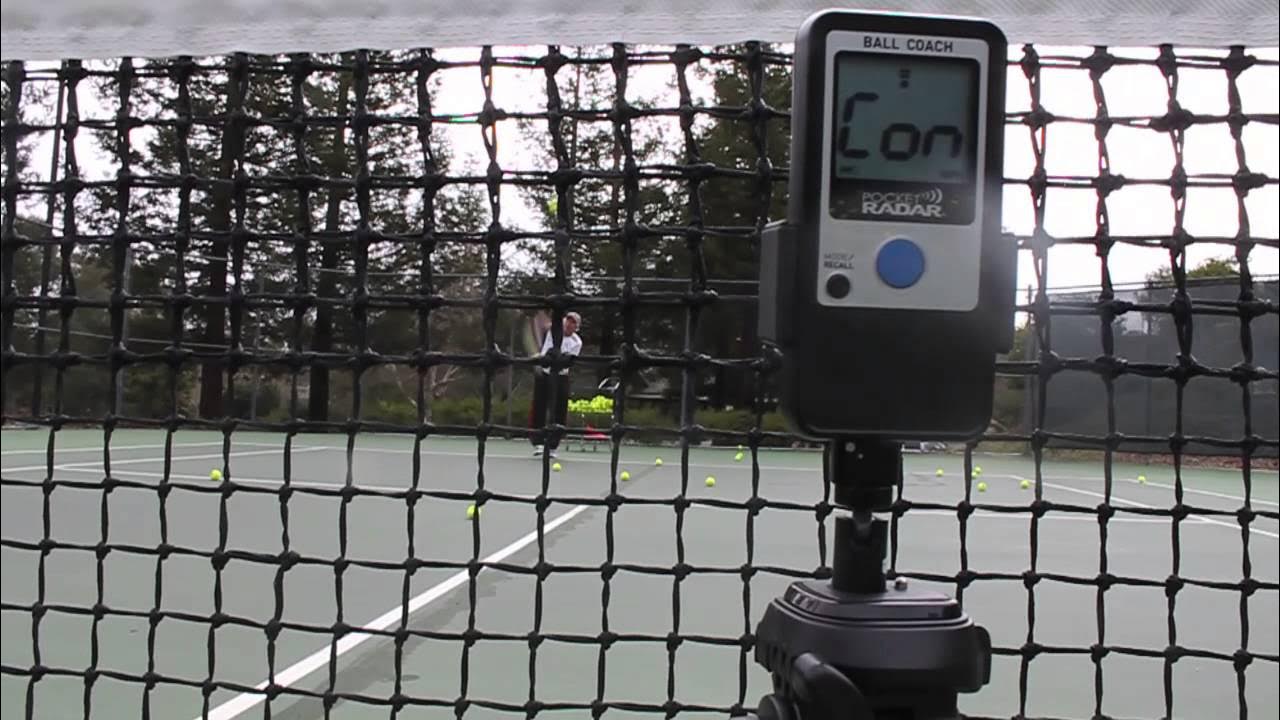
Radar guns are one of the most common tools used to measure the speed of a cricket ball. These devices work by emitting a radio wave which hits the moving ball and then returns to the gun. The change in frequency of the returned wave, due to the Doppler effect, allows the radar gun to calculate the speed of the ball.
- Accuracy: Radar guns are known for their high accuracy and are widely used in professional cricket matches.
- Placement: These devices are usually positioned behind the bowler's arm to get an unobstructed view of the ball's trajectory.
- Cost: High-quality radar guns can be expensive, making them less accessible for amateur players.
2. Hawk-Eye Technology
Hawk-Eye is a more advanced system that uses multiple high-speed cameras placed around the ground to track the ball’s trajectory. By analyzing the images from these cameras, the system can calculate the speed of the ball at various points during its flight.
- Usage: Besides measuring speed, Hawk-Eye is used for LBW decisions, tracking ball trajectory, and providing visual data for broadcast.
- Precision: Hawk-Eye offers highly precise data but requires complex setup and is used mainly in international and high-profile domestic matches.
3. Speed Sensors
Embedded in the stumps or placed at the bowler’s end, speed sensors can also measure the speed of the ball. These sensors use similar principles to radar guns but are integrated into the match infrastructure.
- Implementation: Speed sensors are less common than radar guns and Hawk-Eye but are used in some modern cricket stadiums.
- Reliability: They offer reliable speed measurement but can be affected by external factors like weather conditions.
How to Check Bowling Speed Using Mobile Devices
With advancements in technology, checking bowling speed has become more accessible to amateur cricketers and enthusiasts. Mobile apps and devices have made it possible to measure ball speed with reasonable accuracy. Here’s how:
1. Mobile Apps
Several mobile apps are designed to measure bowling speed using the phone’s camera and processing power. These apps typically work as follows:
- Video Analysis: The user records a video of the bowling action. The app then analyzes the video to calculate the speed of the ball.
- Frame Rate: By measuring the time taken for the ball to travel a certain distance (using the frame rate of the video), the app can estimate the speed.
- Examples: Apps like "Speed Gun" and "SpeedClock" are popular among cricket enthusiasts for measuring bowling speed.
2. External Speed Sensors
External speed sensors that connect to mobile devices are also available. These sensors use Bluetooth to transmit data to an app on the phone, which then calculates the speed of the ball.
- Setup: These devices are typically placed on the ground or attached to the stumps.
- Accuracy: While not as precise as professional radar guns, they offer a good balance of accuracy and affordability.
Steps to Measure Bowling Speed on Mobile
To measure bowling speed using a mobile app, follow these general steps:
- Download a Reliable App: Choose an app with good reviews and ratings.
- Set Up the Recording: Place the phone in a stable position, ensuring it captures the bowler’s run-up and delivery stride.
- Record the Bowling Action: Make sure to record from a consistent angle for accurate results.
- Analyze the Video: Use the app’s tools to mark the start and end points of the ball’s journey.
- Get the Speed Reading: The app will process the video and provide a speed reading.
Advantages and Limitations of Mobile Speed Measurement
Advantages
- Accessibility: Allows anyone with a smartphone to measure bowling speed.
- Cost-Effective: Significantly cheaper than professional radar guns and systems.
- Convenience: Easy to use and set up, making it ideal for casual and practice sessions.
Limitations
- Accuracy: Mobile apps and external sensors may not be as accurate as professional tools.
- Environmental Factors: Lighting, camera quality, and angle can affect the accuracy of measurements.
- User Error: Incorrect setup or usage can lead to inaccurate results.
The Future of Cricket Ball Speed Measurement
As technology continues to advance, the methods of measuring cricket ball speed are likely to become even more sophisticated and accessible. Innovations such as AI-powered analysis, wearable technology for bowlers, and more affordable high-precision sensors are on the horizon.
Conclusion
Understanding and measuring cricket ball speed is essential for players and coaches aiming to improve performance and strategy. While traditional methods like radar guns and Hawk-Eye provide high accuracy, mobile apps and external sensors offer a convenient and affordable alternative for amateur cricketers. By leveraging these tools, cricket enthusiasts can gain valuable insights into their game, helping to enhance their skills and enjoy the sport even more.

When someone creates a website the ultimate goal behind that is always making the business success which is represented by that website.
In this process, the most important thing is to grab customers’ attention.
At some point in time you must have wondered how to make your website highly converting.
If you have moved in the right direction then by now you must have understood that speed optimization or how to fix WordPress Speed Issues is the key to making your website succeed.