





In the dynamic world of travel and tourism, understanding the intricacies of the travel trade sector is essential for sustainable growth and success. This sector encompasses a network of businesses and organizations that facilitate travel experiences, from tour operators and travel agents to destination management companies and tourism boards. It plays a pivotal role in shaping how destinations are promoted, experiences are curated, and travelers are serviced.
What is the Travel Trade Sector?
The travel trade sector refers to the intricate web of businesses and professionals involved in facilitating travel experiences for individuals and groups. It includes:
- Tour Operators: Companies that organize and execute tours, ranging from sightseeing trips to adventure expeditions.
- Travel Agents: Professionals who assist individuals and groups in planning and booking travel arrangements, including flights, accommodations, and activities.
- Destination Management Companies (DMCs): Local experts who provide ground handling services, logistics, and destination knowledge to tour operators and travel agents.
- Tourism Boards and Authorities: Organizations responsible for promoting destinations, coordinating tourism development, and enhancing visitor experiences.
Importance of the Travel Trade Sector
The travel trade sector serves as a crucial intermediary between travelers and destinations. It plays several pivotal roles:
- Market Access and Distribution: Tour operators and travel agents act as distribution channels, connecting destinations with potential visitors globally. This facilitates market access and expands reach, particularly for niche markets and emerging destinations.
- Product Development: Through collaboration with local suppliers and attractions, the sector contributes to the development of diverse travel products and experiences. This includes cultural tours, eco-adventures, culinary experiences, and more, catering to varied traveler interests.
- Destination Promotion: Tourism boards and DMCs play a central role in destination marketing. They craft compelling narratives, promote unique selling points, and implement marketing campaigns to attract travelers and drive visitation.
- Visitor Satisfaction: By providing personalized services, expert advice, and seamless travel arrangements, the sector enhances visitor satisfaction and fosters repeat visitation, contributing to destination loyalty and positive word-of-mouth.
Trends Shaping the Travel Trade Sector
The travel trade sector is constantly evolving, influenced by global trends and shifting consumer preferences:
- Digital Transformation: Increasing reliance on digital platforms for booking, customer engagement, and destination information dissemination.
- Sustainability: Growing emphasis on sustainable tourism practices, including eco-friendly accommodations, responsible wildlife experiences, and community-based tourism initiatives.
- Personalization: Demand for personalized travel experiences tailored to individual preferences and interests.
- Health and Safety: Heightened focus on health and safety measures in response to global events and pandemics.
Navigating Challenges and Opportunities
While the travel trade sector presents numerous opportunities for growth and innovation, it also faces challenges:
- Competitive Landscape: Intense competition among destinations and service providers requires differentiation and value proposition clarity.
- Regulatory Changes: Adapting to regulatory frameworks and geopolitical dynamics impacting travel policies and cross-border operations.
- Consumer Expectations: Meeting evolving consumer expectations for transparency, authenticity, and sustainability.
Strategies for Success
To thrive in the travel trade sector and achieve sustainable growth, businesses and destinations can adopt several strategic approaches:
- Collaboration: Foster partnerships across the travel ecosystem to enhance product offerings, expand market reach, and leverage collective expertise.
- Innovation: Embrace technological advancements to streamline operations, enhance customer experiences, and stay ahead of industry trends.
- Market Intelligence: Stay informed about market trends, consumer behaviors, and competitive insights to make informed business decisions.
- Sustainability: Integrate sustainable practices into operations and product development to attract eco-conscious travelers and support local communities.
Conclusion
In conclusion, understanding and leveraging the travel trade sector is integral to achieving sustainable growth and success in the tourism industry. By embracing collaboration, innovation, and sustainability, businesses and destinations can navigate challenges, capitalize on opportunities, and deliver exceptional travel experiences that resonate with today's discerning travelers.
- For further insights into the evolving landscape of the travel trade sector, explore resources such as Travel Trade Ready and stay informed about industry developments and best practices.
Remember, success in the travel trade sector isn't just about reaching destinations—it's about creating memorable journeys and forging lasting connections that inspire travelers worldwide.
TravQ – the top travel technology solutions provider.
With extensive research in the travel sector, TravQ has identified solutions to different problems that are arising in the travel industry these days and is working towards the betterment of travel services at a global level.
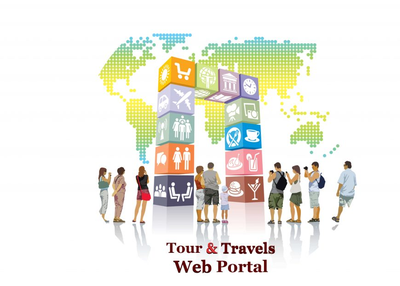
A Travel Portal is a travel booking website which provides features like Travel Bookings (Flights and Rail bookings both).
The travel bookings are generally for both Domestic and International sector.
Importance of a Travel Portal Development for a Travel Agency
Any travel agency which wants to excel in the long run needs to have a Travel Portal for all the needs mentioned above.
This comprehensive package of travel solutions which is developed by specialised Travel Portal Development company with the technical know how and IT solutions capability.
These companies integrate these travel solutions with Amadeus GDS, Galileo GDS, Flight APIs, Hotel APIs, Bus APIs etc.

Express Trade Tower 2 Noida Sector 132 | 9899920199 Office Space ETTExpress trade tower 2 offers wide range of office space call 9899920199 for office space for rent in ett2 noida expressway, Express trade tower noidaexpress trade tower sector 132 noida, ett2 noida expressway, express trade tower noida expressway, office on rent in ett noida https://propliners.in/express-trade-tower-noida-sector-132/