


The Importance of Inclusive Education Materials
Inclusive education materials play a vital role in creating an equitable and accessible learning environment for all students, including those with disabilities. By ensuring that all students have access to the same resources, educators can promote a sense of belonging and support the academic success of every student.
Understanding the Needs of Disabled Students
To effectively empower disabled students, it is crucial to understand their diverse needs. Disabilities can vary widely, ranging from physical impairments to sensory disabilities, learning disabilities, and cognitive challenges. Each type of disability may require different accommodations and support to facilitate learning.
For example, students with visual impairments may benefit from braille materials or screen readers, while those with hearing impairments may need sign language interpreters or captions. Students with learning disabilities may require modified texts or additional time for assignments. By recognizing and addressing these diverse needs, educators can create a more inclusive classroom environment.
Strategies for Creating Accessible Study Materials
There are several strategies that educators can use to create accessible study materials for disabled students. These strategies include:
- Universal Design for Learning (UDL): UDL is a framework that aims to make learning accessible to all students by providing multiple means of representation, engagement, and expression. By implementing UDL principles, educators can design materials that accommodate a wide range of learning styles and abilities.
- Assistive Technology: Utilizing assistive technology can help disabled students access and interact with educational content. Examples of assistive technology include screen readers, speech-to-text software, and adaptive keyboards.
- Alternative Formats: Providing study materials in alternative formats, such as braille, large print, or digital text, can help students with visual or print disabilities. Audio recordings and video captions can also aid students with hearing impairments.
- Clear and Simple Language: Using clear and simple language in study materials can benefit all students, particularly those with cognitive or learning disabilities. Avoiding jargon and breaking down complex concepts into smaller, manageable parts can make the content more accessible.
Collaborating with Support Services
Collaboration with support services is essential in creating and implementing inclusive education materials. Support services, such as special education teachers, speech and language therapists, and occupational therapists, can provide valuable insights and resources to help educators meet the needs of disabled students.
Moreover, involving parents and caregivers in the process can offer additional perspectives and support, ensuring that the student's educational experience is holistic and tailored to their individual needs.
Training Educators in Inclusive Practices
Empowering educators with the knowledge and skills to create and use inclusive education materials is critical. Professional development opportunities, workshops, and training sessions can help educators understand the principles of inclusive education and learn how to apply them in their classrooms.
Training should cover topics such as disability awareness, assistive technology, UDL principles, and strategies for differentiating instruction. By equipping educators with these tools, schools can foster a more inclusive and supportive learning environment for all students.
Case Studies of Successful Inclusive Education Programs
Examining case studies of successful inclusive education programs can provide valuable insights and inspiration for educators looking to implement inclusive practices. These case studies can highlight effective strategies, challenges faced, and the positive impact of inclusive education materials on disabled students.
For example, a case study might explore how a school district implemented UDL principles to redesign their curriculum, resulting in improved academic outcomes and increased student engagement. Another case study might focus on the use of assistive technology in a classroom setting, demonstrating how these tools can enhance learning for disabled students.
The Role of Policy and Legislation
Policy and legislation play a critical role in promoting inclusive education. Laws such as the Individuals with Disabilities Education Act (IDEA) and the Americans with Disabilities Act (ADA) establish the rights of disabled students to receive a free and appropriate public education in the least restrictive environment.
These laws also mandate the provision of reasonable accommodations and support services to ensure that disabled students have equal access to educational opportunities. By understanding and adhering to these legal requirements, educators and school administrators can create a more inclusive and equitable learning environment for all students.
The Future of Inclusive Education Materials
As technology continues to evolve, so too will the possibilities for inclusive education materials. Innovations such as artificial intelligence, augmented reality, and virtual reality have the potential to transform the way educational content is delivered and accessed by disabled students.
For example, AI-powered tools can provide personalized learning experiences, while AR and VR can create immersive, interactive learning environments. Additionally, advancements in adaptive learning technologies can further support the diverse needs of disabled students, making education more inclusive and accessible than ever before.
In conclusion, empowering disabled students through inclusive education materials is essential for fostering an equitable and supportive learning environment. By understanding the diverse needs of disabled students, implementing effective strategies, collaborating with support services, and investing in educator training, schools can create a more inclusive classroom for all students. Furthermore, by staying informed about policy and technological advancements, educators can continue to improve and adapt their practices to better serve the needs of disabled students in the future.



Learn Blue Prism Training in Chennai from Softlogic.
We provide the Best Blue Prism Course in Chennai with 100% placements.
Call now at +91 86818 84318
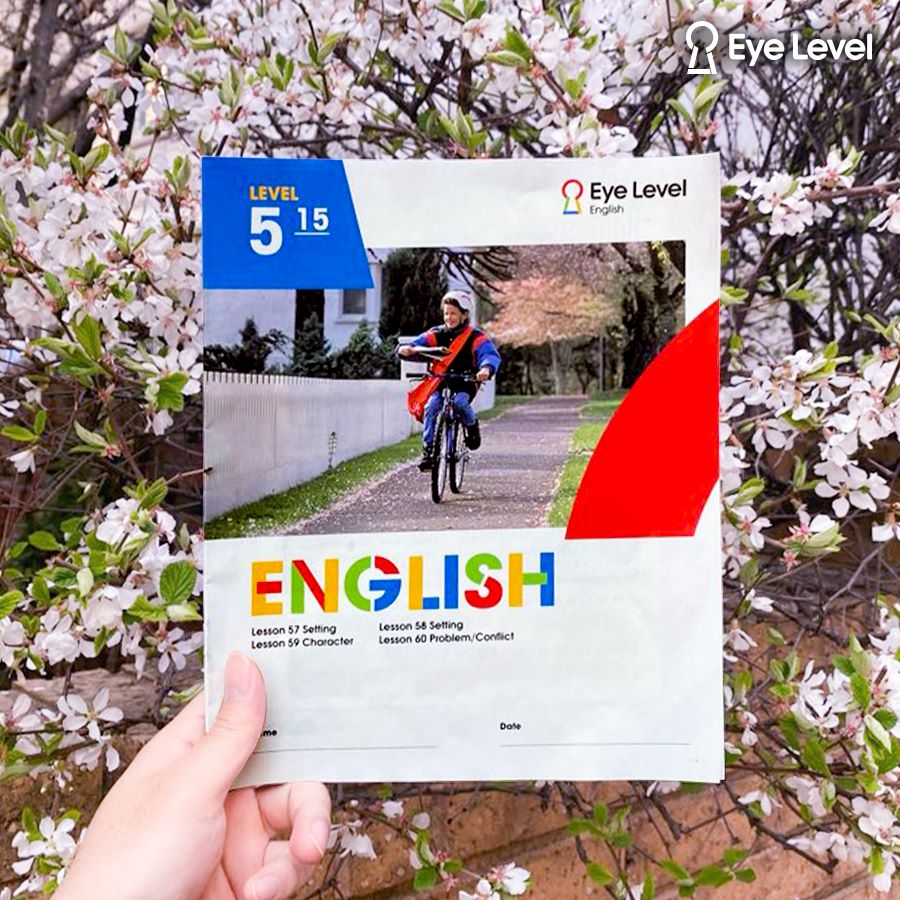
Activities and lessons for young learners of English.
Includes reading for kids, fun with the alphabet, learn about colours and more.
Learn online English grammar classes and composition to enhance your reading, writing and speaking skills from Eye Level East Cobb.