Understanding Skin Care Essentials for Healthy Skin
In the journey towards maintaining overall health and well-being, understanding the essentials of skin care is a critical starting point. Skin, being the largest organ in the human body, serves as the primary barrier against external agents such as pollutants, bacteria, and harmful UV rays. Therefore, it requires comprehensive care to maintain its health and function. Essential skin care routines include regular cleaning, moisturizing, and protection from the sun. Using the right products tailored to one’s skin type is equally significant, which ensures that the skin does not react adversely to certain ingredients.
Cleansing is the first and foremost step in any skin care routine. It helps in removing dirt, oil, and makeup, preventing pores from getting clogged. Selecting a gentle cleanser that suits one's skin type—whether it’s oily, dry, or combination—is vital as it ensures that the skin is not stripped off its natural oils.
Moisturizing is another cornerstone of skin care. Regardless of one's skin type, keeping the skin hydrated is crucial. Moisturizers help in retaining the skin’s moisture barrier, preventing it from becoming dry and flaky. For individuals with oily skin, lightweight, non-comedogenic moisturizers are recommended to avoid clogging pores while still providing necessary hydration.
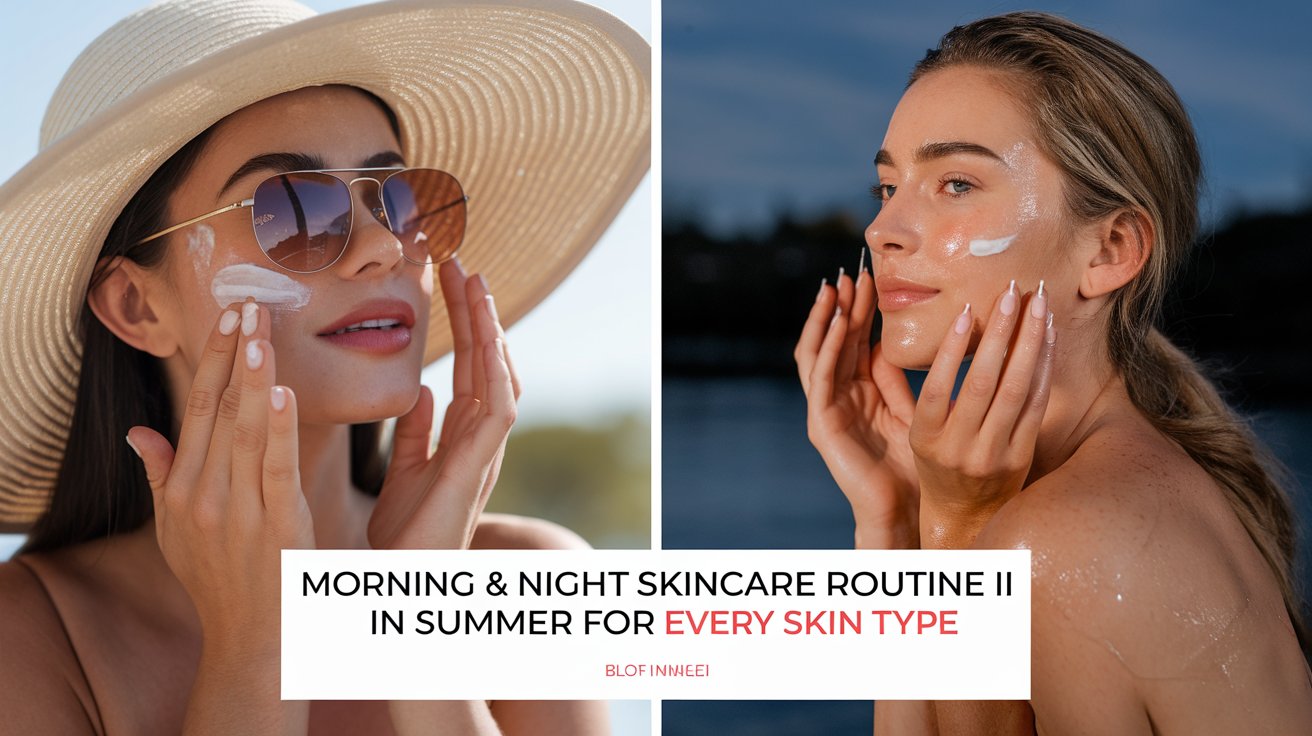
Protection from harmful UV rays through the use of sunscreen is indispensable. Exposure to the sun without protection can result in significant damage, including sunburn, premature aging, and an increased risk of skin cancer. Broad-spectrum sunscreens with an SPF of at least 30 are recommended. Reapplication every two hours, particularly when outdoors, ensures continued protection.
Skin Care and Aging: Preserving Youthful Skin
As we age, our skin undergoes several changes that require modified skin care approaches. One of the most visible signs of aging is the loss of skin elasticity, resulting in wrinkles and fine lines. Factors that contribute to skin aging include genetics, lifestyle choices such as smoking and diet, and environmental factors like sun exposure. Therefore, a proactive skin care regimen can help mitigate some of the effects of aging.
Antioxidants play a pivotal role in combating aging. Ingredients such as vitamin C, vitamin E, and ferulic acid help in neutralizing free radicals, which are molecules that can damage skin cells and accelerate aging. Including products with these ingredients in daily skin care routines assists in protecting the skin from oxidative stress.
Another integral aspect of anti-aging skin care is the use of retinoids, which are derivatives of vitamin A. Retinoids promote cell turnover, boosting collagen production and reducing the appearance of fine lines and wrinkles. However, they can be potent and may cause skin irritation if not used correctly. Gradual introduction and usage under the guidance of a dermatologist can yield significant benefits.
Hydration becomes even more important as the skin loses its natural ability to retain moisture with age. Incorporating hydrating serums and creams that contain ingredients like hyaluronic acid can plump the skin, making it appear more youthful and smooth.
Creating a Natural Skincare Routine
With the growing awareness of the potential harmful effects of synthetic chemicals in skin care products, many individuals are turning towards natural skincare routines. Using products with natural ingredients can reduce the risk of adverse reactions and provide gentle, yet effective care for the skin.
A natural skincare routine often begins with the use of a mild cleanser that incorporates ingredients like aloe vera, chamomile, or green tea, which are known for their soothing properties. Natural exfoliants, such as those containing finely ground apricot seeds or oatmeal, offer a gentle way to remove dead skin cells without causing irritation.
In the realm of moisturizers, natural oils like jojoba, argan, and coconut oil have gained popularity. These oils have hydrating properties and can support the skin’s barrier function. Additionally, they are often packed with antioxidants and essential fatty acids that contribute to overall skin health.
Herbal and botanical extracts are integral components of a natural skincare routine. Ingredients such as rosehip oil, known for its regenerative properties, and calendula, celebrated for its anti-inflammatory benefits, can be incorporated into serums and creams to provide targeted treatment for various skin concerns.
DIY skincare treatments have also seen a significant rise. Masks and scrubs made from kitchen ingredients like honey, yogurt, and avocado can be customized to address specific skin needs. However, it's important to research and ensure that these natural ingredients are suitable for one’s skin to avoid any potential allergies or sensitivities.
The Interconnection Between Skin Health and Overall Well-being
Skin care extends beyond aesthetics and is deeply intertwined with overall health. A healthy skin barrier protects the body from infections and environmental damage, while also reflecting one’s internal health. Certain skin conditions can be indicative of underlying health issues, making it crucial to pay attention to skin’s signals.
Emotional well-being is also linked to skin health. Conditions such as acne, eczema, and psoriasis can significantly impact self-esteem and quality of life. Adopting a consistent and effective skincare routine can alleviate some of these concerns, contributing to overall mental and emotional health.
Moreover, a holistic approach to skin care—that includes a balanced diet, adequate hydration, regular exercise, and sufficient sleep—enhances not just skin health but overall well-being. Nutrients like vitamins A, C, and E, along with zinc and omega-3 fatty acids, are particularly beneficial for skin health.
As skin acts as a mirror to our internal health, maintaining a robust skin care routine is fundamental. It not only helps in resolving and preventing various skin issues but also plays a vital role in promoting overall health and a sense of well-being.