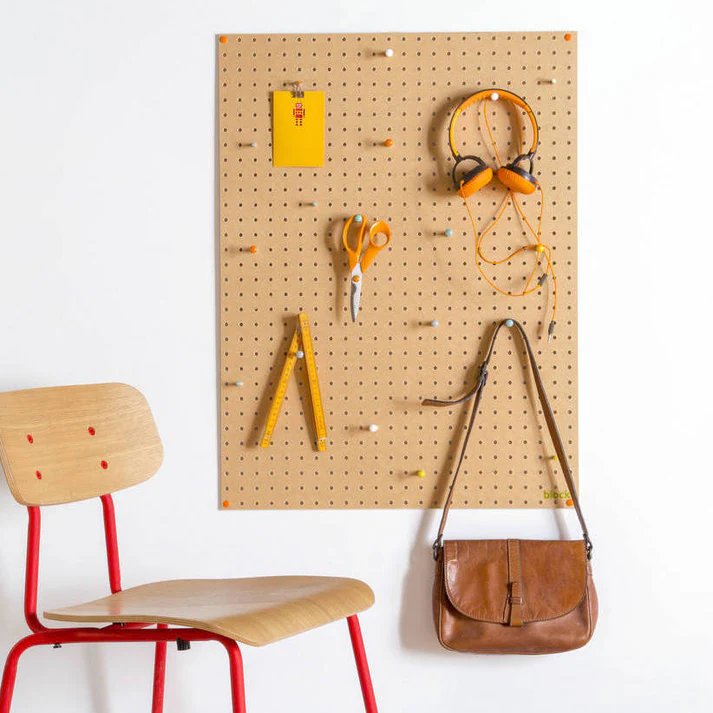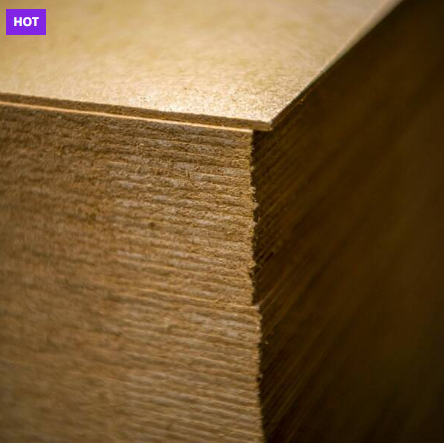
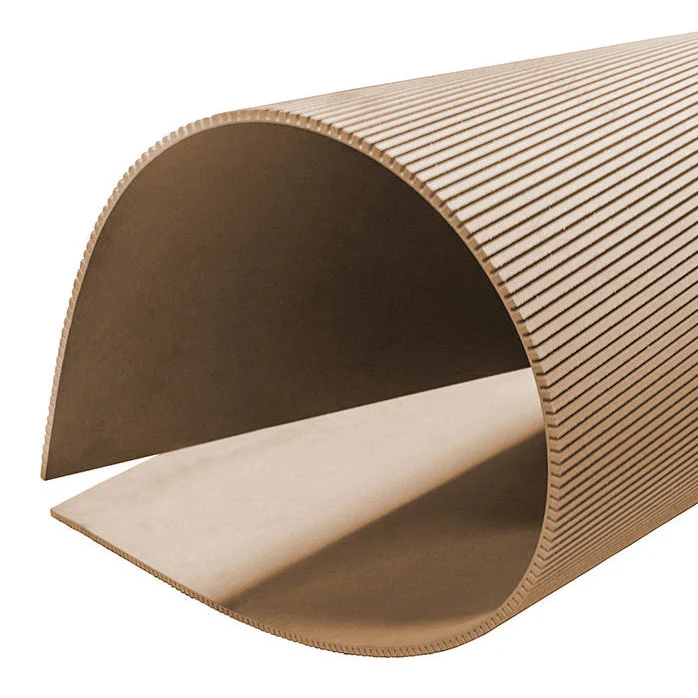
Hardboard sheets are a popular choice for many DIY and home improvement projects due to their durability, versatility, and cost-effectiveness. Whether you're creating custom furniture, wall paneling, or decorative elements, knowing how to properly cut and shape hardboard sheets is essential for achieving professional results. In this article, we’ll share top tips for cutting and shaping hardboard sheets to help you tackle your next project with confidence.
1. Choose the Right Tools
Selecting the appropriate tools is crucial for cutting and shaping hardboard sheets effectively. Here are some recommended tools:
- Utility Knife: Ideal for scoring and snapping thinner hardboard sheets.
- Circular Saw: Perfect for making straight cuts on thicker hardboard.
- Jigsaw: Great for cutting curves and intricate shapes.
- Table Saw: Useful for making precise, straight cuts on larger sheets.
- Router: Excellent for creating detailed edges and custom shapes.
2. Prepare Your Workspace
A clean, organized workspace is essential for safe and accurate cutting. Ensure your work area is well-lit and free of clutter. Use sawhorses or a workbench to support the hardboard sheet, and secure it with clamps to prevent movement while cutting.
3. Measure and Mark Accurately
Accurate measurements and markings are key to successful cuts. Use a measuring tape, straightedge, and pencil to mark your cutting lines clearly. Double-check your measurements before making any cuts to avoid mistakes.
4. Score and Snap Method
For thinner hardboard sheets (up to 3/16 inch), the score and snap method is effective:
- Score: Use a utility knife and straightedge to score along the marked line. Apply firm, even pressure and make several passes to deepen the cut.
- Snap: Place the scored line over the edge of a workbench or table, with the scored side facing up. Apply downward pressure on both sides of the score to snap the sheet along the line.
5. Use a Circular Saw for Straight Cuts
For thicker hardboard sheets, a circular saw is ideal for making straight cuts:
- Set Up: Adjust the blade depth to just slightly deeper than the thickness of the hardboard.
- Guide: Use a straightedge or guide rail to ensure a straight cut.
- Cut: Position the saw at the edge of the sheet and follow the marked line, moving the saw steadily and smoothly.
6. Jigsaw for Curves and Shapes
A jigsaw is perfect for cutting curves and intricate shapes in hardboard sheets:
- Blade Selection: Choose a fine-tooth blade designed for cutting wood or composite materials.
- Cutting: Follow the marked line with the jigsaw, moving at a steady pace to avoid splintering. For tight curves, make relief cuts to help guide the blade.
7. Sand Edges Smooth
After cutting, the edges of the hardboard may be rough or splintered. Use sandpaper or a sanding block to smooth the edges. For a polished finish, start with medium-grit sandpaper and progress to fine-grit.
8. Wear Safety Gear
Safety should always be a priority when cutting and shaping hardboard sheets. Wear appropriate safety gear, including:
- Safety Glasses: Protect your eyes from dust and debris.
- Dust Mask: Prevent inhalation of fine particles.
- Hearing Protection: Reduce noise exposure when using power tools.
- Gloves: Protect your hands from sharp edges and splinters.
Conclusion
Cutting and shaping hardboard sheets can be straightforward with the right tools, preparation, and techniques. By following these top tips, you can achieve precise, clean cuts and create professional-quality results for your projects. Whether you’re a seasoned DIYer or a beginner, mastering these skills will enhance your ability to work with hardboard sheets effectively.
Buy & Sell building materials at ConstroBazaar.com (+91) 8600001932, get all the building supplies and construction materials to complete your project from roofing sheets, interior material to decorative fencing.
Call Now!ConstroBazaar, Building Materials, Construction Materials online, building materials and construction, building materials list, building materials suppliers, building materials online, a building materials company, the building materials store, a building material supplier, building materials bricks, building materials company names, building materials companies in india, building materials cost, building materials company, building materials cost in india.
For more details, Visit at - https://www.constrobazaar.com