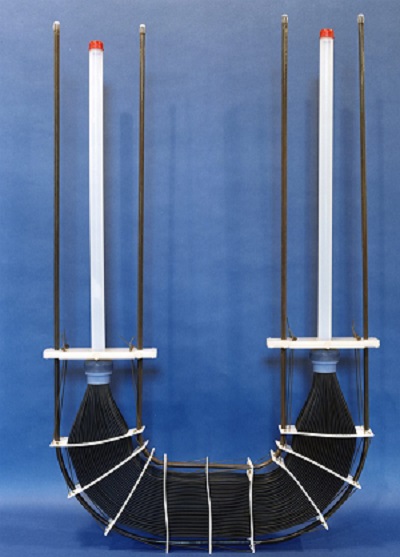
Heat exchangers play a pivotal role in HVAC (Heating, Ventilation, and Air Conditioning) systems, ensuring efficient thermal management and comfortable living and working environments. In this blog, we will explore the fundamental importance of heat exchangers within HVAC systems, their various types, and how they contribute to energy efficiency and environmental sustainability.
Understanding Heat Exchangers in HVAC Systems
Heat exchangers are devices designed to transfer heat between two or more fluids without mixing them. In HVAC systems, these fluids are typically air, water, or refrigerant. The primary function of heat exchangers is to regulate temperatures by either absorbing heat from or releasing heat into the environment, maintaining the desired indoor climate.
Types of Heat Exchangers in HVAC Systems
- Air-to-Air Heat Exchangers
- These are commonly used in ventilation systems to recover heat from exhaust air and transfer it to incoming fresh air. This process reduces the energy required to heat or cool the incoming air, improving overall system efficiency.
- Water-to-Air Heat Exchangers
- Often found in heating and cooling systems, these exchangers use water or another liquid to absorb heat from the air. They are typically used in conjunction with boilers, chillers, or cooling towers.
- Plate Heat Exchangers
- Known for their compact design and high efficiency, plate heat exchangers consist of multiple thin plates that create separate channels for the fluids. They are widely used in HVAC applications for their ability to handle high pressures and temperatures.
- Shell and Tube Heat Exchangers
- These exchangers feature a series of tubes enclosed within a shell. One fluid flows through the tubes, while the other flows around them within the shell, allowing for efficient heat transfer. They are durable and suitable for high-capacity HVAC systems.
Key Benefits of Heat Exchangers in HVAC Systems
- Energy Efficiency
- By recovering and reusing heat, heat exchangers significantly reduce the energy consumption of HVAC systems. This leads to lower utility bills and a reduced carbon footprint, aligning with sustainability goals.
- Enhanced Indoor Air Quality
- Heat exchangers help maintain a consistent indoor temperature and humidity level, contributing to a comfortable and healthy indoor environment. Proper ventilation through heat recovery also ensures a continuous supply of fresh air.
- Cost Savings
- The improved efficiency of HVAC systems equipped with heat exchangers translates to cost savings over time. The initial investment in high-quality heat exchangers is offset by reduced operational and maintenance expenses.
- Environmental Impact
- Efficient heat exchange processes reduce the need for excessive heating or cooling, thereby decreasing greenhouse gas emissions. This supports efforts to mitigate climate change and promotes environmental stewardship.
Applications of Heat Exchangers in HVAC Systems
- Residential Buildings
- Heat exchangers in residential HVAC systems ensure comfortable living spaces by efficiently managing heating and cooling loads. They are integral to modern home energy solutions, such as heat recovery ventilation systems.
- Commercial Buildings
- In commercial settings, heat exchangers contribute to maintaining optimal indoor climates in offices, shopping malls, and hotels. They support energy-efficient building operations and enhance occupant comfort.
- Industrial Facilities
- Industrial HVAC systems rely on robust heat exchangers to manage large-scale heating and cooling requirements. They are critical in maintaining safe and efficient working conditions in manufacturing plants, warehouses, and data centers.
Heat exchangers are the unsung heroes of HVAC systems, ensuring efficient thermal management and contributing to energy savings, cost reductions, and environmental sustainability. By understanding their role and benefits, we can appreciate the critical function they serve in creating comfortable and healthy indoor environments. At JGB KSA, we are committed to providing advanced HVAC solutions that incorporate the latest heat exchanger technologies, ensuring our clients enjoy the highest standards of efficiency and comfort.