



Effective Classroom Strategies
Creating an engaging and effective classroom environment is crucial for teaching anthropology. Effective classroom strategies involve a combination of instructional techniques, student engagement practices, and classroom management skills. Embracing diverse instructional methodologies allows teachers to cater to different learning styles and ensure that all students grasp complex anthropological concepts.
First, incorporating a mix of pedagogical approaches, such as lectures, discussions, group projects, and hands-on activities, can promote active learning and better retention of material. For instance, using case studies and ethnographic examples can illustrate theoretical ideas and make them more relatable to students.
Second, fostering a participatory classroom culture encourages students to engage in the learning process actively. Encouraging questions, discussions, and debates helps develop critical thinking and analytical skills. Open communication and a respectful environment ensure all voices are heard, creating an inclusive atmosphere that supports diverse perspectives.
Third, maintaining effective classroom management is essential for creating an optimal learning environment. Establishing clear expectations, rules, and routines helps students understand what is required and encourages responsible behavior. Addressing disruptive behavior promptly and fairly ensures a focused and respectful atmosphere conducive to learning.
Furthermore, integrating technology can enhance the learning experience. Utilizing digital resources, multimedia presentations, and online discussion platforms can make the subject more engaging and accessible. These tools enable teachers to present information in various formats, catering to different learning preferences and keeping students interested.
Anthropology Course Outline
A comprehensive anthropology course should cover a wide range of topics that reflect the diverse aspects of the field. A typical course outline might include the following:
Introduction to Anthropology: This section introduces students to the discipline, its history, and its relevance in understanding human societies. Topics include the four main subfields of anthropology (cultural anthropology, archaeology, biological anthropology, and linguistic anthropology) and their intersections.
Cultural Anthropology: This section delves into the study of cultural variation among humans. Topics include kinship and family structures, economic systems, political systems, religion and worldview, gender roles, and cultural change. The use of ethnographic case studies helps to illustrate these concepts.
Archaeology: Students explore the methods and theories used to study past human societies. Topics include archaeological methods, the interpretation of material culture, ancient civilizations, and the role of archaeology in contemporary society. Hands-on activities, such as analyzing artifacts or participating in simulated digs, can enhance learning.
Biological Anthropology: This section focuses on the study of human evolution and biological diversity. Topics include human genetics, primatology, paleoanthropology, forensic anthropology, and the study of human adaptation and variation. Incorporating lab work and field trips can provide practical experience.
Linguistic Anthropology: Students examine the role of language in human societies. Topics include language structure and grammar, language acquisition, sociolinguistics, and the relationship between language and culture. Analyzing linguistic data and conducting fieldwork helps to apply theoretical knowledge.
Research Methods in Anthropology: This section covers the tools and techniques used in anthropological research. Topics include qualitative and quantitative methods, fieldwork techniques, data analysis, and ethical considerations in research. Students may engage in independent research projects to develop their skills.
Contemporary Issues in Anthropology: This section addresses current debates and challenges in the field. Topics include globalization, cultural relativism, human rights, development, and applied anthropology. Encouraging students to critically analyze and discuss these issues helps them understand anthropology's relevance in the modern world.
Key Skills for Anthropology Teachers
Anthropology teachers must possess a diverse skill set to effectively convey anthropological knowledge and foster a positive learning environment. Key skills include subject matter expertise, pedagogical skills, and interpersonal abilities.
First and foremost, a deep understanding of anthropological theories, concepts, and research is essential. Teachers must stay updated with the latest developments in the field and be able to present complex material in an accessible and engaging manner. This involves synthesizing information from various sources and providing real-world examples to illustrate theoretical points.
Second, pedagogical skills are crucial for designing and delivering effective lessons. This includes lesson planning, curriculum development, and the ability to use diverse instructional strategies to cater to different learning styles. Teachers should be adept at creating assessments that accurately measure student understanding and provide constructive feedback to support learning.
Third, strong interpersonal skills are necessary for building positive relationships with students and creating an inclusive classroom environment. Effective communication, empathy, and cultural sensitivity are vital in understanding and addressing the needs of a diverse student body. Teachers should foster an atmosphere of mutual respect and collaboration, where students feel valued and motivated to learn.
Additionally, adaptability and problem-solving skills are essential for navigating the dynamic classroom environment. Teachers must be prepared to adjust their teaching strategies in response to student feedback and varying classroom situations. This includes being open to incorporating new technologies and pedagogical approaches that enhance learning.
Furthermore, collaboration and professional development are important for continuous improvement. Engaging with colleagues, participating in professional organizations, and attending workshops and conferences can provide valuable insights and opportunities for growth. Teachers should be proactive in seeking out resources and experiences that enhance their teaching practice and contribute to their professional growth.
Lastly, a passion for teaching and a commitment to student success are fundamental qualities of effective anthropology teachers. Enthusiasm for the subject and a genuine interest in students' learning journeys can inspire and motivate students, fostering a lifelong interest in anthropology.
Additional Sections
Teaching Methodologies: Effective teaching methodologies in anthropology involve a combination of lecture-based instruction, active learning strategies, and experiential learning. Lectures provide a foundation of knowledge, while active learning strategies, such as discussions and group work, encourage student engagement and critical thinking. Experiential learning, including fieldwork and hands-on activities, allows students to apply their knowledge in real-world contexts.
Assessment and Evaluation: Assessments in anthropology should measure a range of skills and knowledge, including theoretical understanding, analytical abilities, and practical application. This can include a combination of written exams, essays, research projects, and presentations. Providing timely and constructive feedback helps students improve and succeed.
Creating an Inclusive Classroom: An inclusive classroom environment respects and values diversity, ensuring all students feel welcome and supported. This involves using culturally responsive teaching practices, addressing biases and stereotypes, and creating a safe space for open dialogue. Inclusivity enhances learning by encouraging diverse perspectives and fostering critical thinking.
Advancing Professional Development: Professional development is crucial for anthropology teachers to stay current in their field. This includes attending conferences, participating in workshops, and engaging in scholarly research. Professional development opportunities provide valuable insights, networking, and skill enhancement, contributing to effective teaching practices and career advancement.
Mentoring and Guidance: Providing mentorship and guidance to students is a vital part of an anthropology teacher's role. This involves offering academic support, career advice, and personal development guidance. Building strong mentor-mentee relationships helps students navigate their academic and professional paths and fosters a supportive learning community.

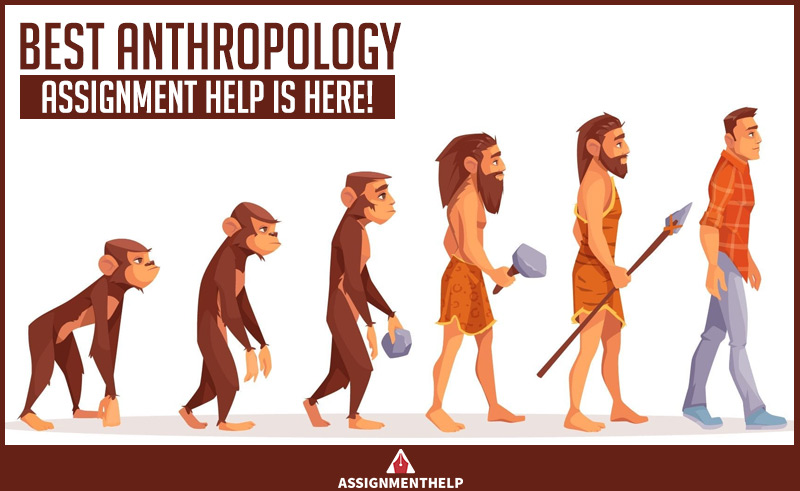

Anthropology is the best optional subject to score good marks in civil service examination.
You are required to go through the anthropology syllabus for upsc and divide it based on time and topic.
Many reference books for anthropology optional are available to prepare for the subject and it is advisable to consider different books to cover topics.
Covering syllabus and making notes is the only key to clear the anthropology exam to get good grades.It is important to prepare notes while preparing for the exam that can make it easy to do last time revision.
Referencing these notes at the last moment can make the topic easy and also save time.
Guidance is very important for civil exams and so we offer anthropology coaching for IAS and UPSC exams.