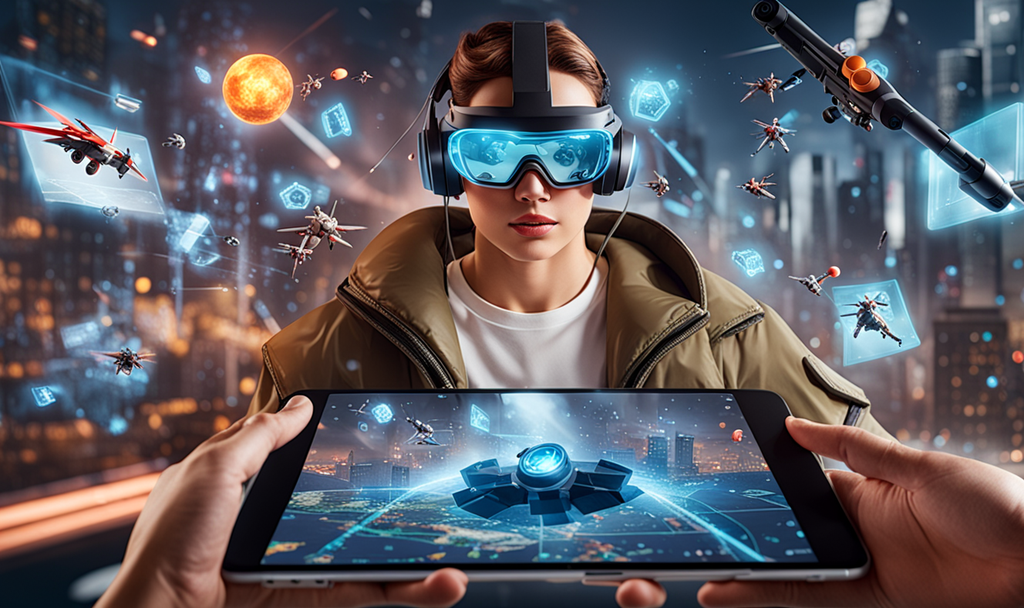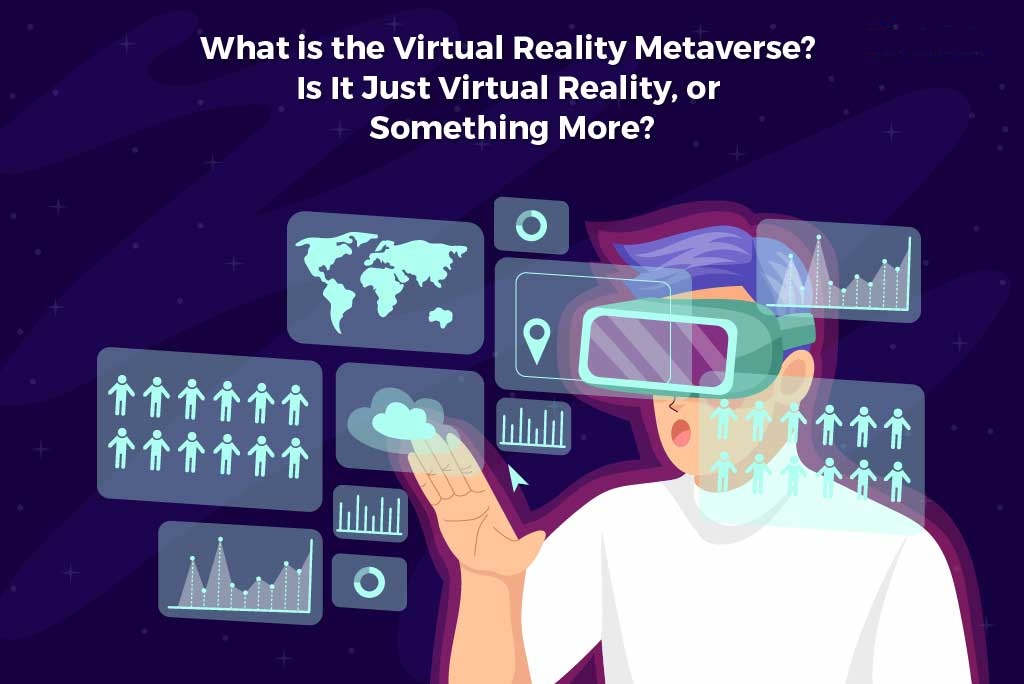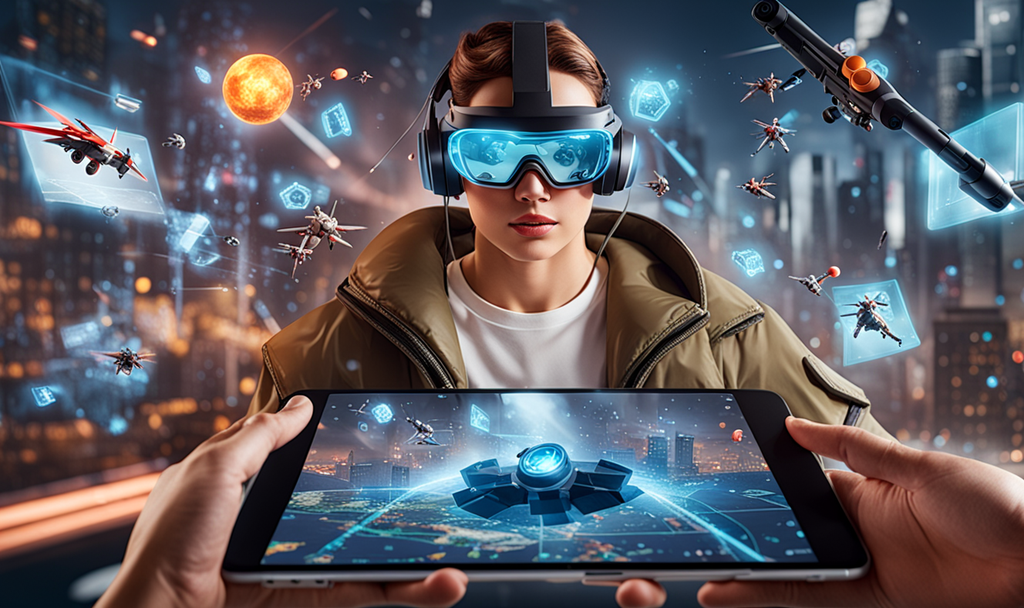
The metaverse, a collective virtual shared space created by the convergence of virtually enhanced physical reality and physically persistent virtual space, has been a significant buzzword in recent years. As we witness the evolution of this digital frontier, one technology stands out for its transformative potential: Augmented Reality (AR). For companies offering metaverse development services, the integration of AR is a game-changer, enabling more immersive and interactive experiences.
The Basics of Augmented Reality
To understand how AR is reshaping the metaverse, it's essential to grasp what AR entails. Unlike Virtual Reality (VR), which creates a completely artificial environment, AR overlays digital content onto the real world. The result is an interactive experience where digital elements respond to and enhance the real world.
The Intersection of AR and the Metaverse
The metaverse is envisioned as a fully immersive, persistent digital universe where people can interact with each other and digital entities in real time.. Here are several ways AR is redefining the metaverse experience:
Enhanced Interactivity
One of the most significant contributions of AR to the metaverse is enhanced interactivity. AR enables users to interact with digital objects as if they were part of the physical world. This interactivity extends to social interactions, gaming, education, and more. For instance, in an AR-enhanced metaverse, users can play games with virtual objects that appear in their living room, and attend virtual meetings.
Real-World Integration
AR bridges the gap between the digital and physical worlds by allowing digital content to interact with the real world. This integration means that the metaverse can be accessed and experienced in real-world settings. Imagine navigating a city with AR glasses that overlay directions, points of interest, and social media updates onto the real environment.
Contextual Relevance
AR enhances the metaverse by providing contextually relevant information. Unlike VR, which requires users to enter a completely virtual environment, AR can deliver digital content based on the user's physical surroundings. For example, tourists using AR can view historical facts and information about landmarks as they explore a city, while shoppers can see product details and reviews overlaid on items in a store.
Accessibility and Ease of Use
AR technology is more accessible than VR, as it can be implemented on widely available devices like smartphones and tablets. As AR technology continues to advance, we can expect even more user-friendly devices, such as AR glasses, that will further enhance the metaverse experience.
Personalized Experiences
AR allows for highly personalized experiences in the metaverse. By leveraging data from various sources, AR can tailor digital content to individual preferences and needs. This personalization can be seen in applications like personalized advertising, where AR delivers targeted ads based on user behavior and preferences, or in customized learning experiences that adapt to a user's progress and interests.
AR Applications in the Metaverse
The integration of AR into the metaverse opens up a plethora of new applications across various sectors. Here are some notable examples:
Gaming and Entertainment
The gaming industry is at the forefront of AR innovation. AR games like Pokémon GO have already demonstrated the potential of blending the digital and physical worlds. This level of immersion and interactivity enhances the overall gaming experience, making it more engaging and enjoyable.
Social Interaction
Social interaction is a cornerstone of the metaverse, and AR can enhance these interactions by making them more immersive and realistic. This capability can be particularly valuable in scenarios like virtual meetings, social gatherings, and collaborative projects.
Education and Training
AR has the potential to revolutionize education and training by providing interactive and immersive learning experiences. This approach can make learning more engaging and effective by providing hands-on, experiential learning opportunities. Additionally, AR can be used in professional training to simulate real-world scenarios and enhance skill development.
Retail and E-Commerce
The retail and e-commerce sectors can benefit significantly from AR integration in the metaverse. For example, customers can use AR to see how furniture would look in their home or how clothing would fit without physically trying it on. This level of convenience and interactivity can drive sales and improve customer satisfaction.
Real Estate and Architecture
AR can transform the real estate and architecture industries by providing immersive visualization tools. Architects and designers can use AR to collaborate with clients and stakeholders, making the design process more interactive and efficient.
Challenges and Considerations
While the integration of AR into the metaverse holds immense potential, it also presents several challenges and considerations:
Technical Limitations
AR technology is still evolving, and there are technical limitations that need to be addressed. These include issues related to hardware performance, battery life, and the accuracy of spatial mapping. As AR technology continues to advance, we can expect these limitations to be mitigated, leading to more seamless and reliable AR experiences.
Privacy and Security
The use of AR in the metaverse raises important privacy and security concerns. Ensuring the privacy and security of this data is crucial to gaining user trust and preventing misuse. Companies offering metaverse development services must prioritize robust security measures and transparent data handling practices.
User Experience
Creating a seamless and intuitive user experience is essential for the widespread adoption of AR in the metaverse. User feedback and iterative design processes will be crucial in refining the AR experience.
The Future of AR in the Metaverse
As AR technology continues to evolve, its impact on the metaverse will only grow. We can expect to see more sophisticated AR devices, improved interactivity, and a broader range of applications. Here are some future trends to watch:
Advanced AR Hardware
The development of advanced AR hardware, such as lightweight AR glasses with improved battery life and higher-resolution displays, will enhance the user experience and make AR more practical for everyday use. These advancements will enable more immersive and realistic AR experiences in the metaverse.
AI and Machine Learning Integration
The integration of AI and machine learning with AR will enable more intelligent and responsive digital content. AI can enhance AR experiences by providing real-time contextual information, adapting to user behavior, and enabling more natural interactions.
Cross-Platform Compatibility
Ensuring cross-platform compatibility will be crucial for the widespread adoption of AR in the metaverse. This means enabling seamless interactions between different AR devices, operating systems, and applications.
Collaborative AR Experiences
The future of AR in the metaverse will also include more collaborative experiences, where multiple users can interact with the same digital content in real-time. For example, friends can explore virtual worlds together, colleagues can collaborate on virtual projects, and students can participate in group learning activities.
Conclusion
Augmented Reality is playing a pivotal role in redefining the metaverse experience by enhancing interactivity, integrating the digital and physical worlds, providing contextual relevance, and making the metaverse more accessible and personalized. As AR technology continues to advance, its impact on the metaverse will only grow, opening up new possibilities for gaming, social interaction, education, retail, real estate, and more.