Today, we delve into one of the most versatile materials in the construction and design industry—polycarbonate sheets. These innovative sheets have transformed various industries with their unique properties and applications. However, as with any material, polycarbonate sheets have advantages and disadvantages. In this comprehensive guide, we'll explore both sides to help you make an informed decision for your next project.
What Are Polycarbonate Sheets?
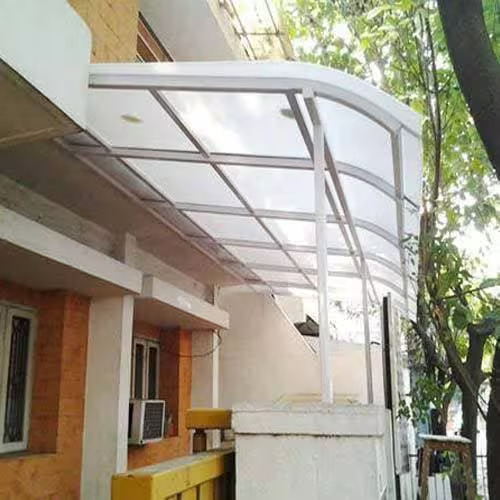
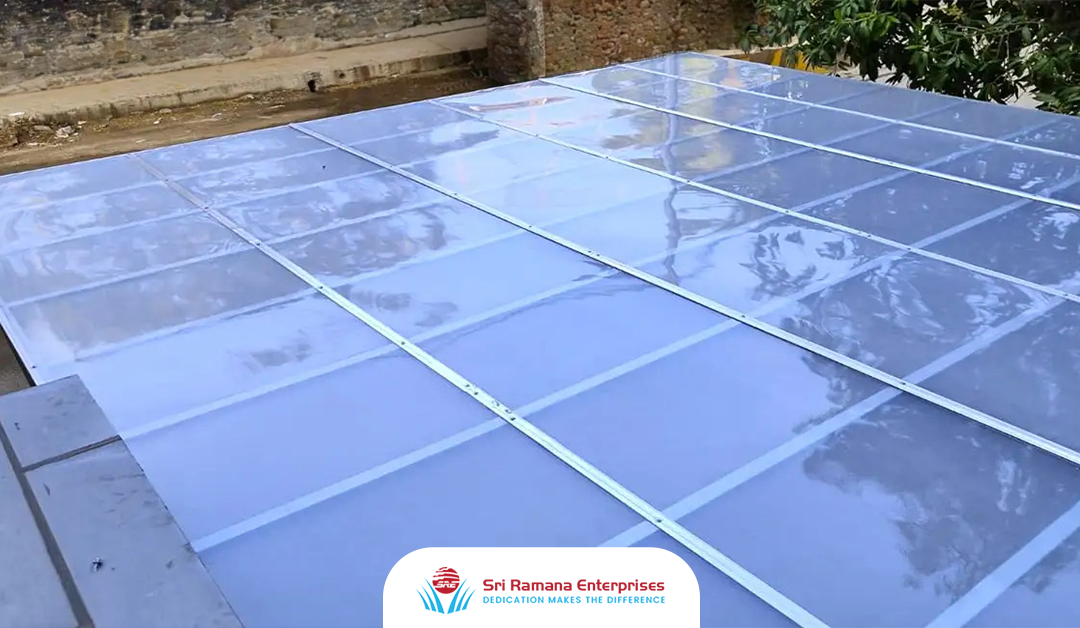
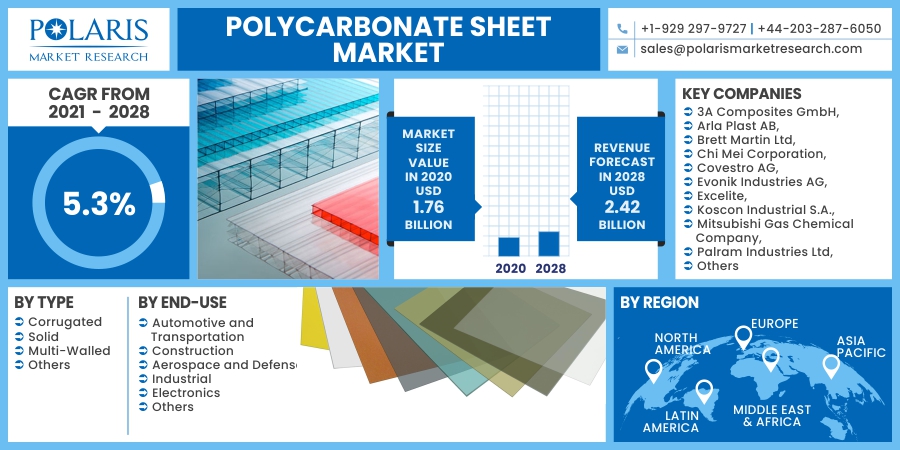
Before we discuss the advantages and disadvantages, let's first understand polycarbonate sheets. Polycarbonate is a thermoplastic polymer known for its high impact resistance and optical clarity. Polycarbonate sheets are made from this material and are available in various forms, including solid, multiwall, and corrugated configurations. They are used in many applications, from roofing and skylights to safety glasses and greenhouse panels.
Advantages of Polycarbonate Sheets
Exceptional Durability
One of the standout features of polycarbonate sheets is their remarkable durability. Unlike glass, polycarbonate sheets are virtually unbreakable. Their high impact resistance makes them an excellent choice for applications where safety and strength are paramount, such as in security glazing, riot shields, and protective barriers.
Lightweight Yet Strong
Polycarbonate sheets are incredibly lightweight compared to glass or acrylic sheets of the same thickness. This quality makes them easier to handle and install and reduces structural load on buildings and frameworks. Despite their light weight, polycarbonate sheets are very strong, providing excellent resistance to physical impact.
High Optical Clarity
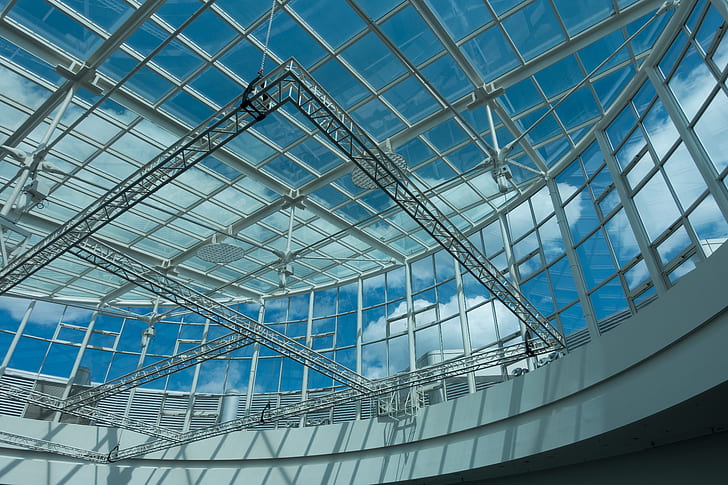
Polycarbonate sheets offer superior optical clarity, making them ideal for high visibility and light transmission applications. They are frequently used in skylights, greenhouse panels, and even protective screens in various settings where clear visibility is crucial.
UV Resistance
Polycarbonate sheets come with built-in UV resistance. This property ensures that the sheets do not yellow or degrade under prolonged exposure to sunlight. This UV resistance extends the lifespan of the sheets, making them a long-term solution for outdoor applications.
Thermal Insulation Properties
Polycarbonate sheets have excellent thermal insulation properties, which can help maintain stable temperatures within a building or greenhouse. Multiwall polycarbonate sheets, in particular, are designed to provide superior insulation, contributing to energy efficiency and reduced heating and cooling costs.
Versatility in Applications
Another significant advantage of polycarbonate sheets is their versatility. They can be easily cut, drilled, and shaped to meet the specific requirements of various projects. Whether you're looking to create a modern architectural feature or a simple protective cover, polycarbonate sheets offer flexibility in design and application.
Cost-Effective
Polycarbonate sheets are often more cost-effective than traditional materials like glass. Their long lifespan, minimal maintenance requirements, and energy-saving properties can lead to lower overall costs in the long term.
Ease of Maintenance
Maintaining polycarbonate sheets is relatively straightforward. They can be cleaned with mild soap and water and are resistant to most chemicals. This ease of maintenance helps ensure that the sheets retain their appearance and functionality over time.
Fire Resistance
Polycarbonate sheets are inherently flame retardant. They do not support combustion and are classified as a Class B material regarding fire safety. This feature makes them suitable for applications where fire safety is a concern.
Eco-Friendly Options
Many polycarbonate sheets are made from recycled materials, making them an environmentally friendly option. Additionally, their durability and long lifespan reduce the frequency of replacements, further benefiting the environment.
Disadvantages of Polycarbonate Sheets
Scratching and Abrasion
While polycarbonate sheets are tough, they are not immune to scratching and abrasion. Over time, scratches can accumulate, affecting the sheets' clarity. However, many polycarbonate sheets come with scratch-resistant coatings to mitigate this issue.
Higher Initial Costs
Although polycarbonate sheets can be cost-effective in the long term, their initial cost is higher than materials like acrylic or standard plastic. This upfront investment can be a consideration for budget-conscious projects.
Thermal Expansion
Polycarbonate sheets experience thermal expansion and contraction with temperature changes. This means that they might require special consideration in terms of installation to accommodate these movements without causing damage.
Discoloration Over Time
While polycarbonate sheets have built-in UV resistance, they can still become discoloured over time due to environmental factors and prolonged UV exposure. However, high-quality polycarbonate sheets are designed to resist significant discolouration.
Not as Rigid as Glass
Polycarbonate sheets are more flexible than glass, which can be a disadvantage in applications where rigidity is crucial. This flexibility can lead to warping or bending under certain conditions, which might not be ideal for all projects.
Potential for Warping
Depending on the thickness and quality of the polycarbonate sheets, there is a potential for warping, especially under extreme temperature fluctuations or heavy loads. Proper installation and selection of high-quality materials can help mitigate this risk.
Limited Aesthetic Options
While polycarbonate sheets come in various forms, they have fewer aesthetic options than materials like glass or acrylic. This limitation might be a consideration for projects where appearance is critical.
Environmental Impact of Production
Fossil fuels produce polycarbonate sheets, which can contribute to environmental pollution. While recycled options are available, manufacturing has a significant carbon footprint.
Chemical Sensitivity
Polycarbonate sheets can be sensitive to certain chemicals, which might cause damage or degradation. It is essential to ensure that the chemicals used near the sheets do not negatively affect their performance or lifespan.
Possible Flammability Issues
Despite being flame retardant, polycarbonate sheets can still release toxic fumes if exposed to high temperatures or fire. This potential risk must be managed, especially when fire safety is critical.
Conclusion
At Sri Ramana Enterprises, we understand that choosing the right material for your projects is crucial. offer many advantages, from exceptional durability and high optical clarity to cost-effectiveness and environmental benefits. However, they also come with limitations, including the potential for scratching, higher initial costs, and sensitivity to environmental factors.
You can make a more informed decision based on your project's specific needs by weighing these pros and cons. Whether you are considering polycarbonate sheets for roofing, skylights, safety barriers, or any other application, understanding the advantages and disadvantages will help you select the best solution.
For more information or to explore our range of high-quality polycarbonate sheets, visit us at Sri Ramana Enterprises. Our team is here to assist you with your project needs and to help you find the perfect material for your application.