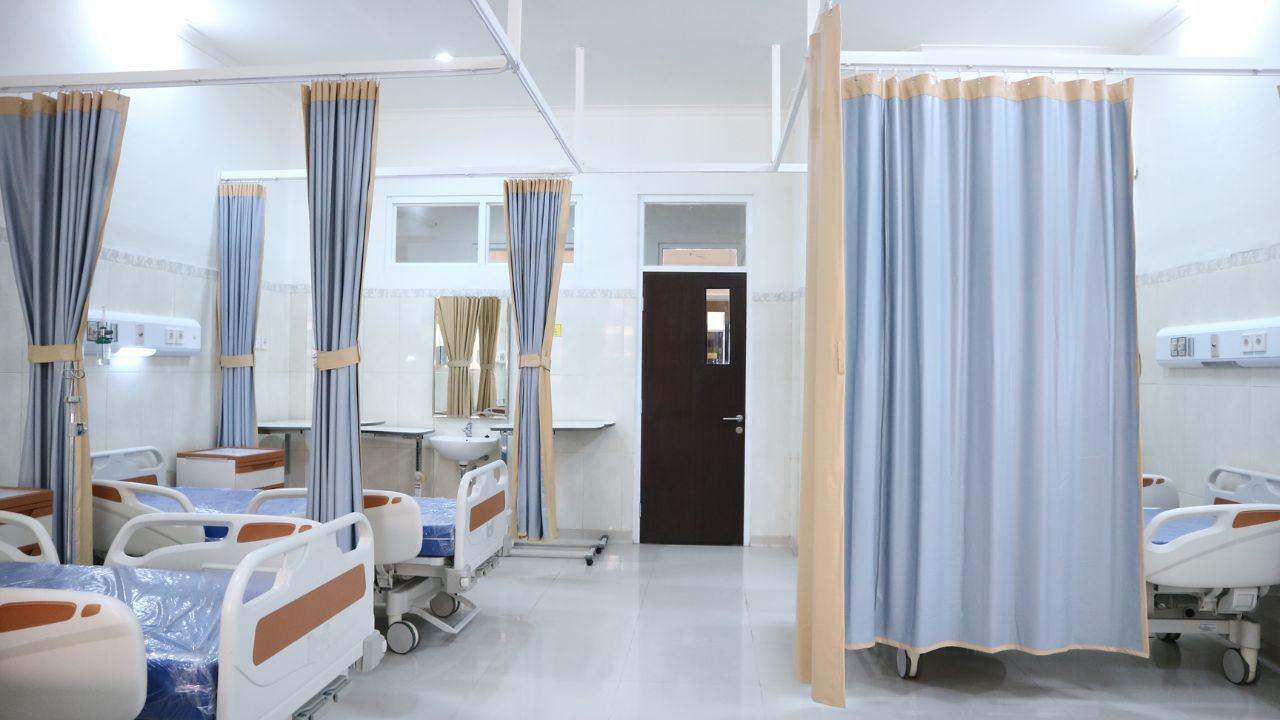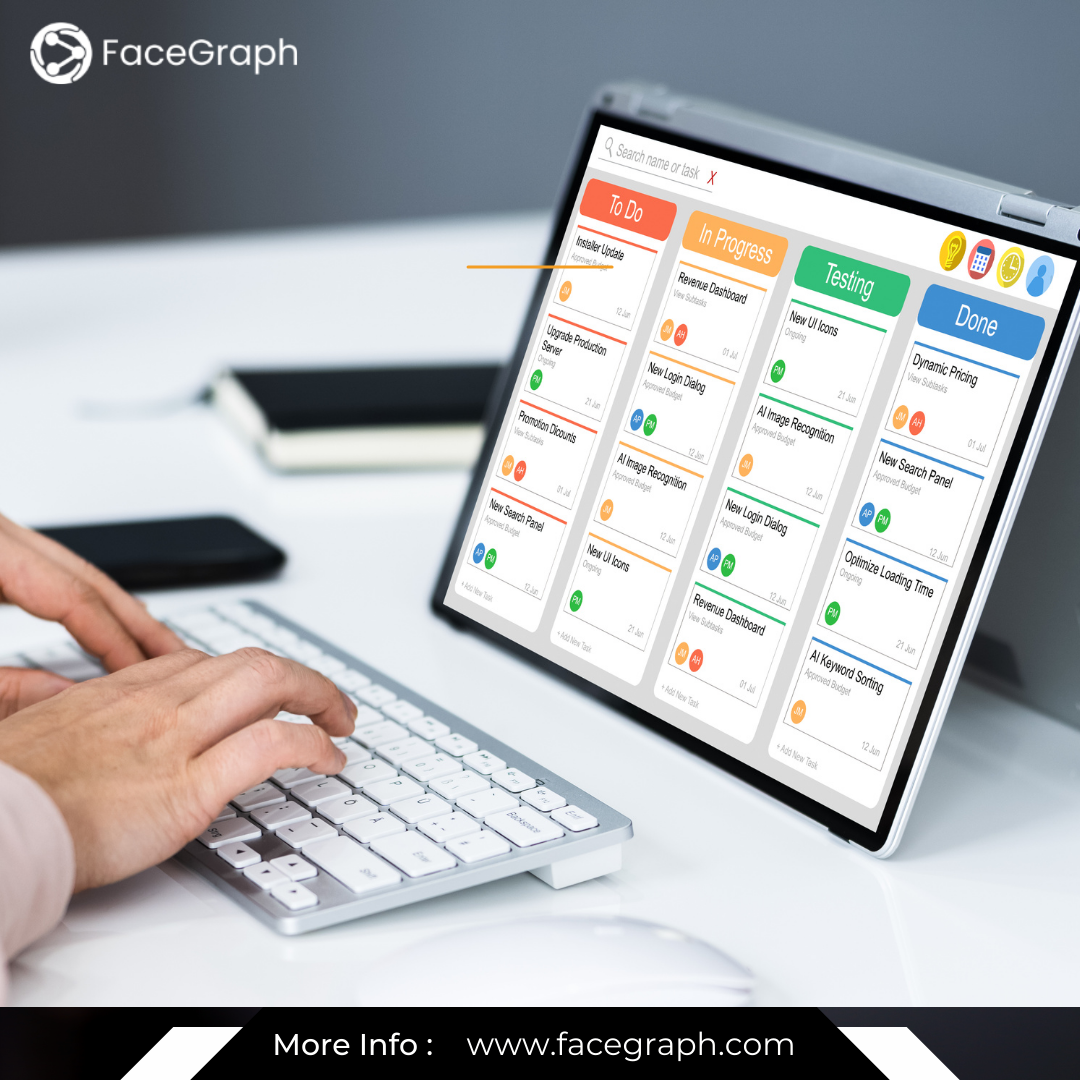
In today's dynamic healthcare environment, effective facility management is crucial for ensuring smooth operations and maintaining high standards of patient care. Healthcare facility management software plays a pivotal role in optimizing these processes, enhancing efficiency, and mitigating risks. Here’s how such software contributes to improving patient care:
Streamlined Operations and Maintenance
Hospital facility management software enables facility teams to streamline their operations by centralizing critical tasks such as maintenance scheduling, equipment tracking, and resource allocation. By automating routine processes and providing real-time insights into facility performance, the software helps teams prioritize tasks effectively. This ensures that equipment is properly maintained, reducing the risk of breakdowns that could disrupt patient care.
Enhanced Emergency Preparedness
In emergencies, every second counts. Facility management software equips healthcare teams with instant access to emergency plans, evacuation routes, and critical building information. This capability is crucial for swift responses to incidents like fires, leaks, or power outages, minimizing downtime and ensuring the safety of patients and staff.
Compliance Management
Compliance with healthcare regulations is non-negotiable for healthcare facilities. Hospital facility management software includes robust compliance management features that facilitate adherence to regulatory standards such as Environment of Care requirements. By automating compliance workflows and maintaining up-to-date documentation, the software helps healthcare providers avoid penalties and maintain a safe care environment.
Asset and Resource Optimization
Effective management of hospital assets and resources is essential for delivering timely and efficient patient care. Facility management software allows teams to track equipment usage, manage inventory levels, and optimize resource allocation. This ensures that critical medical equipment is readily available when needed, supporting uninterrupted care delivery.
Preservation of Institutional Knowledge
Turnover of staff, especially experienced personnel, can pose challenges in maintaining institutional knowledge. Hospital facility management software addresses this by capturing and centralizing historical data, including building plans, maintenance records, and renovation details. This ensures continuity in operations and facilitates smoother transitions for new staff members joining the facility.
Improved Patient Experience
Ultimately, the benefits of hospital facility management software translate into a better patient experience. By minimizing operational disruptions, ensuring compliance with safety standards, and optimizing resource utilization, the software helps healthcare facilities focus more on delivering compassionate care. Patients benefit from enhanced safety measures, reduced wait times due to efficient equipment management, and overall improved quality of service.
Conclusion
In conclusion, hospital facility management software is not just a tool for managing buildings and equipment—it is integral to enhancing patient care delivery. By optimizing operations, improving emergency preparedness, ensuring regulatory compliance, and preserving institutional knowledge, healthcare facilities can achieve greater efficiency and effectiveness. Investing in facility management software is essential for modern healthcare organizations striving to deliver exceptional patient outcomes and maintain operational excellence.