CE marking is a crucial certification for products intended to be sold within the European Economic Area (EEA). It signifies that a product complies with the essential requirements of the relevant European health, safety, and environmental protection legislation. For manufacturers in Saudi Arabia looking to expand their market reach to Europe, achieving CE marking is a significant milestone. This article outlines the key steps and considerations for obtaining CE marking in Saudi Arabia.
Understanding CE Marking
CE marking is not just a label; it is a symbol that a product meets stringent EU requirements. It covers various product categories, including electronics, machinery, medical devices, construction products, and toys, among others. The process involves rigorous testing and documentation to ensure compliance with EU directives and regulations.
Key Steps to Achieving CE Marking
Identify Applicable Directives and Standards
The first step in obtaining CE marking is identifying which EU directives and standards apply to your product. Each product category has specific requirements, and it's crucial to understand these before proceeding. For instance, medical devices are governed by the Medical Devices Regulation (MDR), while machinery falls under the Machinery Directive.
Conduct a Conformity Assessment
A conformity assessment involves testing the product to ensure it meets the necessary standards. This may include laboratory tests, quality system audits, and risk assessments. Depending on the product, this step can be conducted internally or by a notified body—an organization designated by an EU country to assess the conformity of certain products.
Compile Technical Documentation
Manufacturers must compile comprehensive technical documentation that demonstrates the product's compliance with the relevant directives. This documentation typically includes:
· Product description and specifications
· Design and manufacturing details
· Risk assessments and test results
· User instructions and safety information
Affix the CE Mark
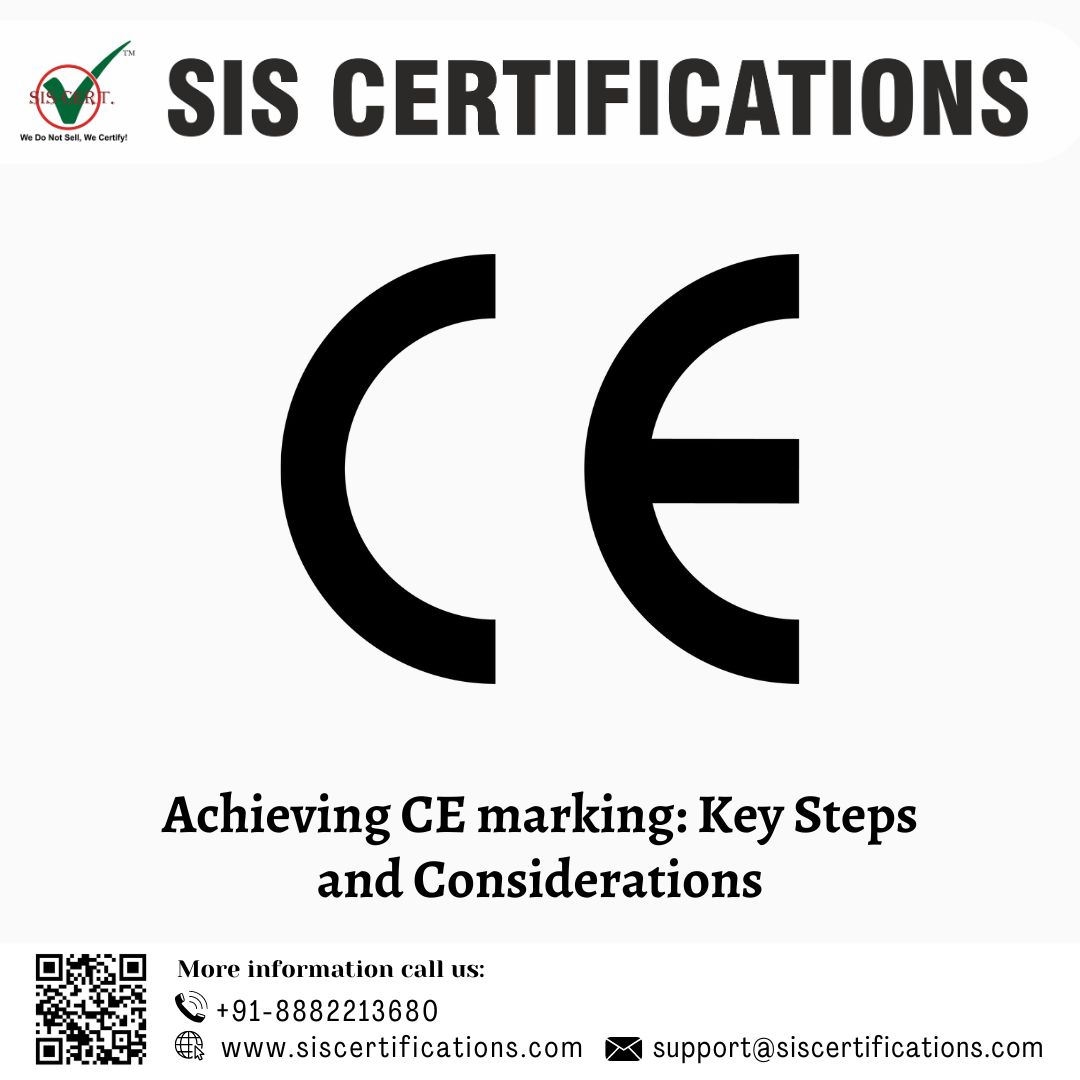
Once the product meets all necessary requirements, the CE mark can be affixed. This mark must be visible, legible, and indelible on the product or its packaging. The CE mark should be accompanied by the identification number of the notified body if applicable.
Create a Declaration of Conformity
A Declaration of Conformity (DoC) is a legal document in which the manufacturer declares that the product complies with the applicable EU legislation. This document must be signed by the manufacturer or their authorized representative and must be kept with the technical documentation.
Maintain Compliance and Keep Documentation
Achieving CE marking is not a one-time task. Manufacturers must ensure ongoing compliance with EU regulations, which may involve periodic audits and updates to technical documentation. Records must be kept for at least ten years after the product is placed on the market.
Considerations for Saudi Manufacturers
Understanding Market Requirements
For Saudi manufacturers, understanding the specific market requirements of the EU is essential. This includes keeping up-to-date with any changes in EU directives and standards that may affect their products.
Engaging with Notified Bodies
In some cases, engaging with a notified body is mandatory. These bodies provide an independent assessment of product compliance and can offer valuable guidance throughout the certification process. It's important to select a notified body with relevant expertise and a good reputation.
Language and Documentation
All technical documentation and the Declaration of Conformity must be in an official EU language, usually English. Ensuring that all documentation is clear, precise, and free of errors is crucial to avoid delays or rejections.
Local and International Partnerships
Forming partnerships with local consultants or international experts can be beneficial. These partners can provide insights into the CE marking process, assist with conformity assessments, and help navigate regulatory complexities.
Product Testing and Quality Control
Investing in robust product testing and quality control measures is vital. This not only ensures compliance with EU standards but also enhances the overall quality and reliability of the product.
Market Surveillance and Enforcement
The EU conducts market surveillance to ensure that products with CE marking comply with the relevant directives. Manufacturers must be prepared for potential inspections and should maintain readiness to provide documentation and evidence of compliance at any time.
Challenges and Solutions
Complex Regulatory Environment
Navigating the complex regulatory environment of the EU can be challenging. Manufacturers should invest time in understanding the applicable directives and seek professional guidance when needed.
Cost Considerations
Achieving CE marking can be costly, especially when engaging with notified bodies and conducting extensive product testing. Budgeting for these expenses early in the process is crucial.
Time Management
The CE marking process can be time-consuming. Planning and allowing sufficient time for each step, from conformity assessment to documentation preparation, is essential to avoid market entry delays.
Keeping Up with Changes
EU regulations and standards are subject to change. Manufacturers must stay informed about updates and ensure their products remain compliant over time.
Benefits of CE Marking for Saudi Manufacturers
Market Access
CE marking opens doors to the vast European market, providing opportunities for increased sales and business growth.
Enhanced Credibility
Products bearing the CE mark are seen as meeting high safety and quality standards, enhancing the credibility and reputation of the manufacturer.
Competitive Advantage
Achieving CE marking can give Saudi manufacturers a competitive edge in both domestic and international markets.
Customer Confidence
Consumers and business partners are more likely to trust and purchase products that are CE marked, knowing they meet stringent European standards.
Conclusion
Achieving CE marking is a comprehensive process that requires careful planning, thorough testing, and meticulous documentation. For manufacturers in Saudi Arabia, understanding and navigating the EU's regulatory landscape is crucial to gaining access to the European market. By following the key steps and considerations outlined in this article, Saudi manufacturers can successfully obtain CE marking, enhancing their market reach and ensuring compliance with EU standards. The journey to CE marking may be challenging, but the rewards in terms of market access, credibility, and competitive advantage make it a worthwhile investment.