
The eCommerce landscape is continually evolving, and businesses are constantly seeking innovative ways to stay ahead of the competition. One such innovative strategy is the omnichannel approach, which has become a critical aspect of modern retail. An omnichannel approach in eCommerce ensures a seamless and integrated shopping experience across various channels, both online and offline. This article delves into the importance, benefits, and implementation of an omnichannel strategy in eCommerce.
What is an Omnichannel Approach?
An omnichannel approach refers to a unified and cohesive customer experience across all channels and touchpoints. Unlike multichannel, where each channel operates independently, omnichannel integrates all channels to provide a seamless journey for the customer. This means a shopper can transition from a mobile app to a desktop website to an in-store visit without any disruption or inconsistency in their experience.
Difference Between Omnichannel and Multichannel
The key difference between omnichannel and multichannel lies in the integration and customer experience. In a multichannel approach, businesses use multiple channels like websites, social media, and physical stores, but these channels often function in silos. Conversely, an omnichannel strategy ensures these channels are interconnected, offering a unified experience. For example, a customer can check product availability online and pick up the product in-store without any hassle.
Benefits of an Omnichannel Approach
Adopting an omnichannel approach offers numerous benefits:
- Enhanced Customer Experience: Customers enjoy a consistent and personalized experience across all touchpoints.
- Increased Sales: Seamless integration of channels can lead to higher conversion rates and sales.
- Brand Loyalty: Consistent and reliable customer experiences foster greater brand loyalty and trust.
Challenges in Implementing Omnichannel Strategy
Despite its advantages, implementing an omnichannel strategy comes with challenges:
- Technology Integration: Integrating various technologies to ensure seamless operation across channels can be complex.
- Data Management: Efficiently managing and analyzing data from different sources is crucial yet challenging.
- Organizational Change: Shifting to an omnichannel approach requires significant organizational changes and mindset shifts.
Key Components of Omnichannel Strategy
For a successful omnichannel strategy, focus on these key components:
- Customer-Centric Approach: Prioritize the needs and preferences of the customer in all decisions.
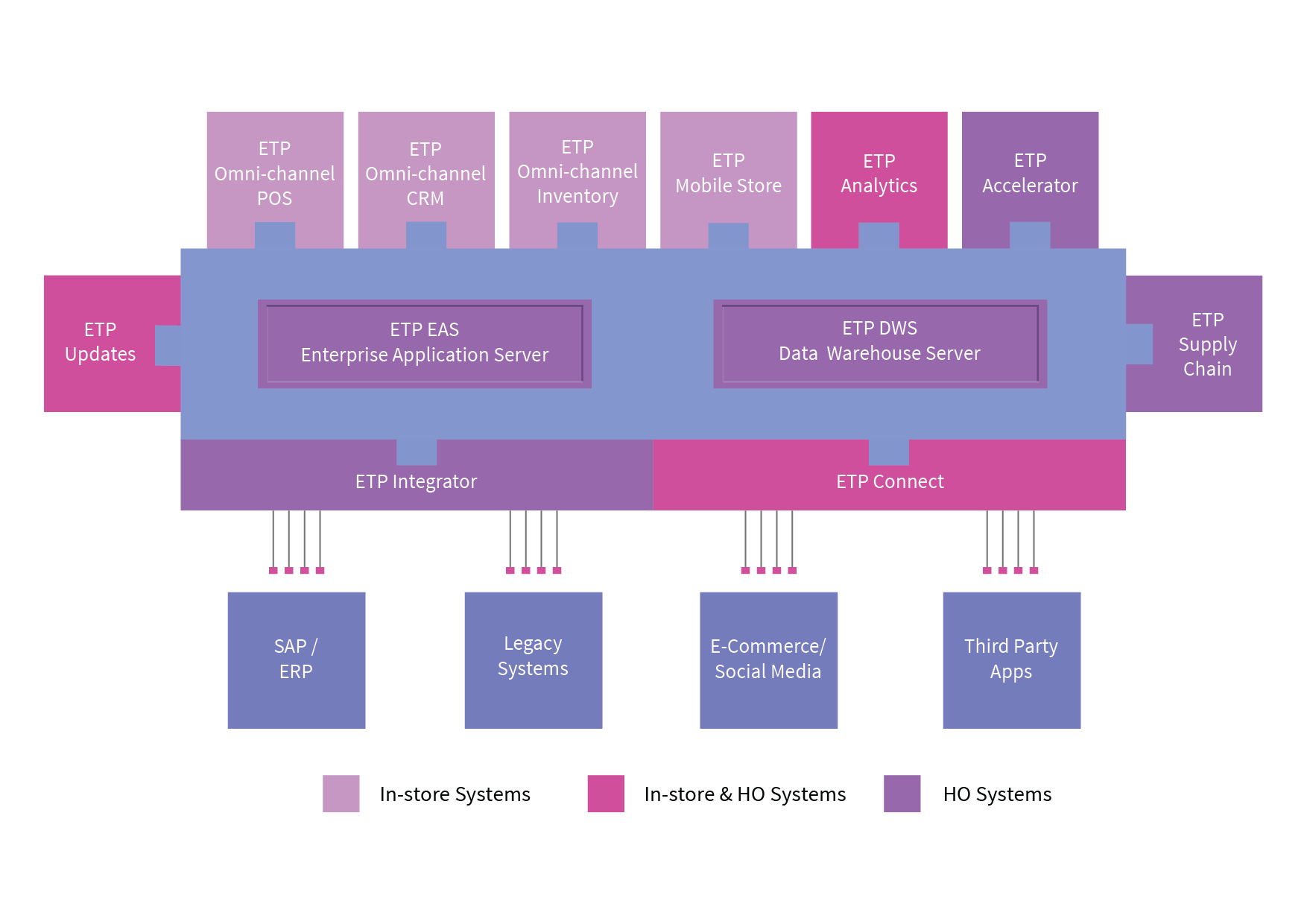
- Seamless Integration: Ensure all channels and systems are interconnected.
- Consistent Messaging: Maintain uniform branding and messaging across all platforms.
Technology in Omnichannel eCommerce
Technology plays a pivotal role in omnichannel eCommerce. Key technologies include:
- AI and Machine Learning: For personalized recommendations and improved customer insights.
- CRM Systems: To manage customer relationships and data efficiently.
- Omnichannel Platforms: Comprehensive systems that integrate various sales and communication channels.
Customer Journey Mapping
Understanding and mapping the customer journey is crucial in an omnichannel strategy. Identify all touchpoints and interactions a customer has with the brand. Use this data to create personalized and seamless experiences.
Data Management and Analytics
Effective data management and analytics are the backbone of an omnichannel strategy. Use advanced tools to collect, analyze, and utilize customer data to enhance their experience and optimize operations.
Creating a Seamless Customer Experience
Achieving a seamless customer experience involves:
- Cross-Channel Consistency: Ensuring customers have a uniform experience across all channels.
- Unified Customer Service: Providing consistent and high-quality support regardless of the channel.
Case Studies of Successful Omnichannel Strategies
Examining successful case studies can provide valuable insights. Brands like Nike and Starbucks have implemented exemplary omnichannel strategies, combining online and offline experiences to engage customers effectively.
Role of Mobile Commerce in Omnichannel
Mobile commerce is integral to omnichannel strategies. Ensure mobile optimization, develop user-friendly apps, and facilitate mobile payments to enhance the shopping experience.
Social Media's Impact on Omnichannel eCommerce
Social media significantly influences omnichannel eCommerce by providing platforms for social shopping, customer engagement, and enhancing brand presence. Integrate social media strategies to reach and engage customers effectively.
Inventory Management in Omnichannel
Efficient inventory management is critical. Implement real-time inventory tracking, optimize distribution channels, and manage stock levels to meet customer demands promptly.
Personalization in Omnichannel eCommerce
Personalization is a key aspect of omnichannel strategies. Leverage customer data to tailor marketing efforts, offers, and communication to individual preferences, enhancing the shopping experience.
Integrating Online and Offline Channels
Bridging the gap between online and offline channels is essential. Implement strategies like click-and-collect and enhance in-store experiences to provide a cohesive shopping journey.
Role of Customer Feedback in Omnichannel
Gathering and analyzing customer feedback is vital. Use insights from feedback to make necessary improvements and refine your omnichannel strategy continuously.
Future Trends in Omnichannel eCommerce
Stay ahead by keeping an eye on emerging trends. Advancements in technology, shifts in consumer behavior, and new industry practices will shape the future of omnichannel eCommerce.
Best Practices for Omnichannel Implementation
Adopt best practices to ensure successful implementation:
- Develop a comprehensive strategy focusing on customer needs.
- Invest in the right technologies and tools.
- Continuously monitor and optimize the omnichannel experience.
Measuring Omnichannel Success
Evaluate the success of your omnichannel strategy using key performance indicators (KPIs) and metrics. Analyze data to identify areas of improvement and measure the overall impact on customer satisfaction and sales.
Today’s marketing environment offers a lot of ways where eCommerce Omnichannel POS can help you increase your sales.
Learn what are these ways and how you can gain more customers with Omnichannel POS.