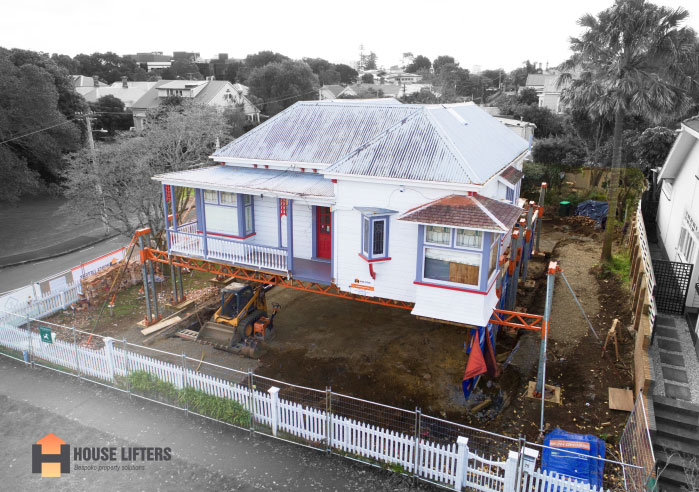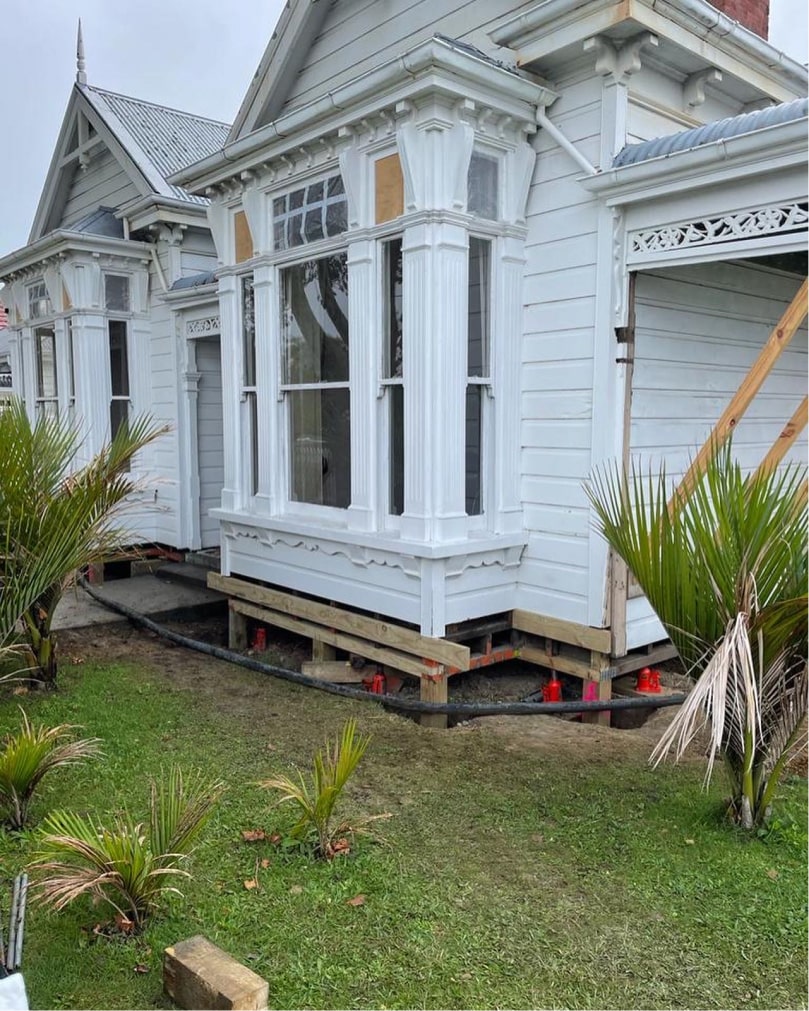


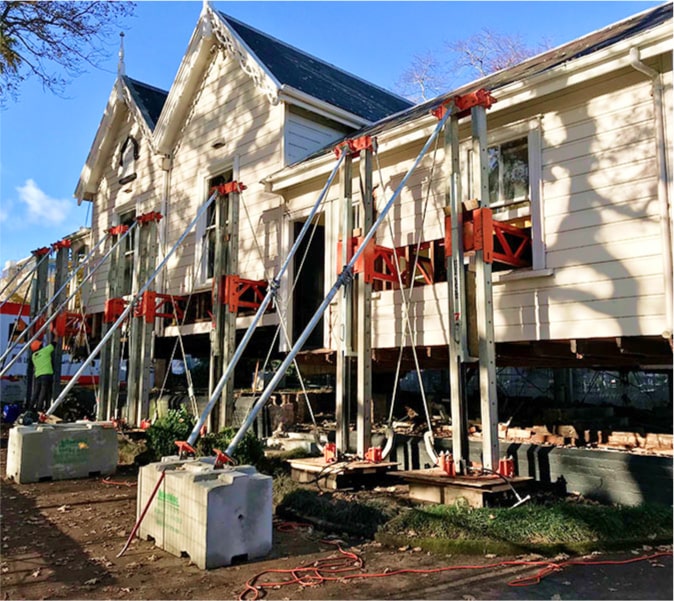
Restoring heritage buildings is more than just refurbishing old structures; it’s about preserving history and culture while adapting to modern needs. This process, known as adaptive reuse, involves creatively repurposing these architectural gems to serve new functions. From old factories turned into vibrant art spaces to historic warehouses transformed into trendy apartments, the possibilities are as diverse as they are exciting.
Understanding Adaptive Reuse
Adaptive reuse refers to the practice of finding new uses for old buildings instead of demolishing them. It not only conserves valuable resources but also retains a sense of place and identity within communities. This approach has gained popularity due to its sustainability benefits and the unique character it adds to urban landscapes.
Benefits of Restoring Heritage Buildings
Restoring heritage buildings offers numerous advantages:
Preservation of Cultural Identity: These buildings often hold significant historical and cultural value, reflecting the architectural styles and societal values of their time.
Environmental Sustainability: Adaptive reuse reduces the environmental impact associated with new construction materials and demolition waste.
Cost-Effectiveness: Renovating existing structures can be more cost-effective than starting from scratch, especially when considering tax incentives and grants available for heritage preservation.
Community Revitalization: Repurposed buildings contribute to vibrant neighborhoods by attracting businesses, residents, and visitors.
Examples of Creative Adaptive Reuse
1. Historic Factories Becoming Artistic Hubs
Old factories, once centers of industrial production, are being transformed into cultural hubs. For instance, in cities like Manchester and Detroit, disused factories have become galleries, theaters, and studios. These spaces not only preserve the industrial heritage but also foster creativity and community engagement.
2. Warehouses Reimagined as Residential Spaces
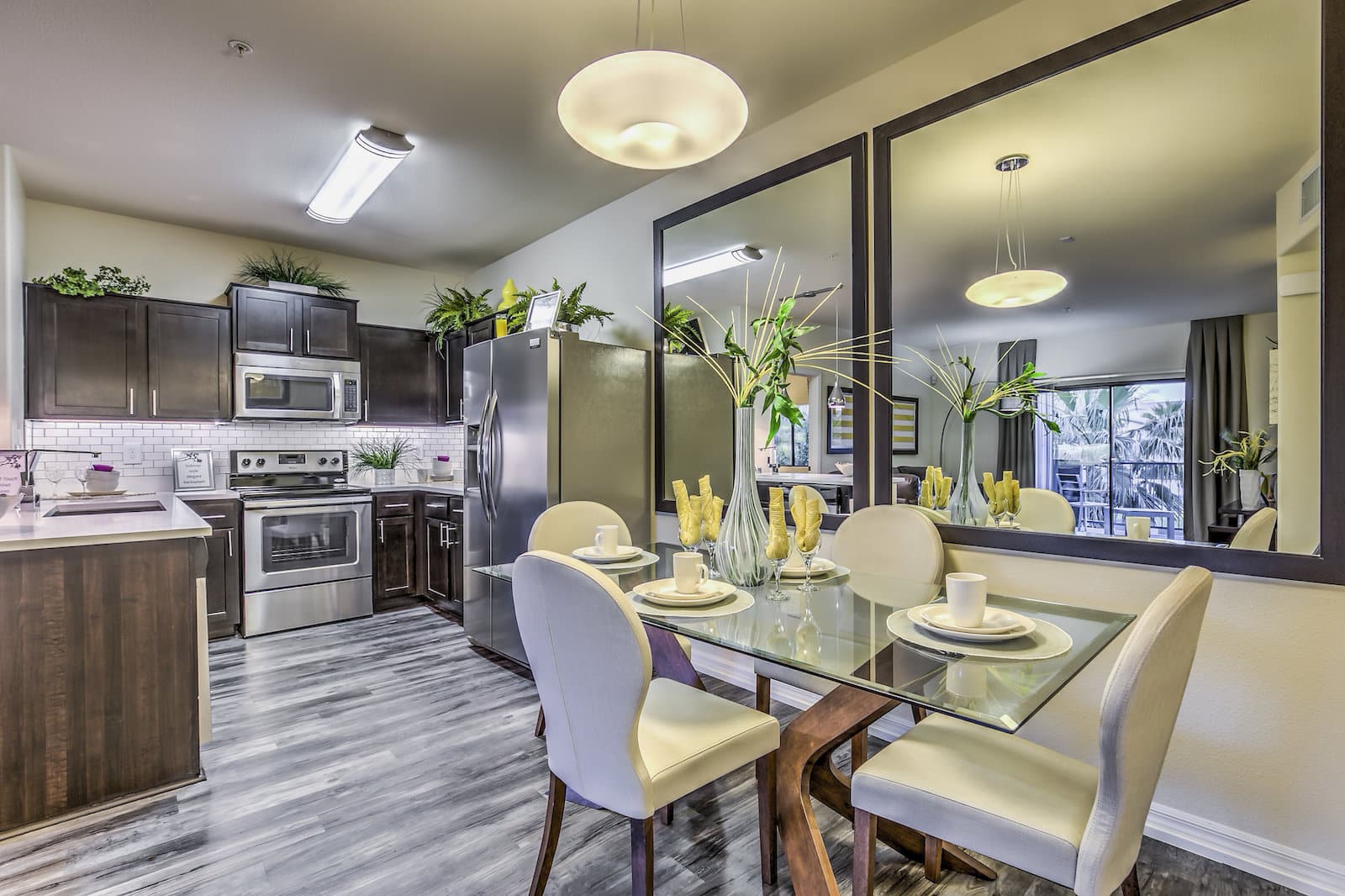
Warehouse districts are prime candidates for adaptive reuse into residential lofts and apartments. Their high ceilings, large windows, and open layouts offer unique living environments that appeal to urban dwellers seeking a blend of history and modern convenience. Cities like New York and London have seen warehouses turned into sought-after living spaces, attracting young professionals and families alike.
3. Churches and Schools Finding New Purposes
Historic churches and schools are often repurposed into community centers, libraries, or even innovative office spaces. These buildings retain their architectural grandeur while serving contemporary needs. Examples include churches in Europe being converted into concert halls and schools in the United States transformed into mixed-use developments.
Challenges and Considerations
While adaptive reuse brings numerous benefits, it also poses challenges:
- Structural Integrity: Older buildings may require extensive renovations to meet modern safety standards.
- Zoning and Regulations: Adapting a building for a new use often involves navigating complex zoning laws and building codes.
- Financial Investment: While cost-effective in the long run, initial restoration costs can be substantial, requiring careful financial planning.
The Role of Architects and Designers
Architects and designers play a crucial role in adaptive reuse projects. They must balance preserving the building’s historic fabric with integrating modern amenities and technologies. Their innovative approaches ensure that restored buildings not only function effectively but also retain their unique character and charm.
Future Trends in Adaptive Reuse
As sustainability becomes increasingly important, adaptive reuse will continue to grow as a preferred method of development. Future trends may include:
- Energy Efficiency Upgrades: Integrating renewable energy sources and energy-efficient technologies.
- Mixed-Use Developments: Combining residential, commercial, and recreational spaces within a single building.
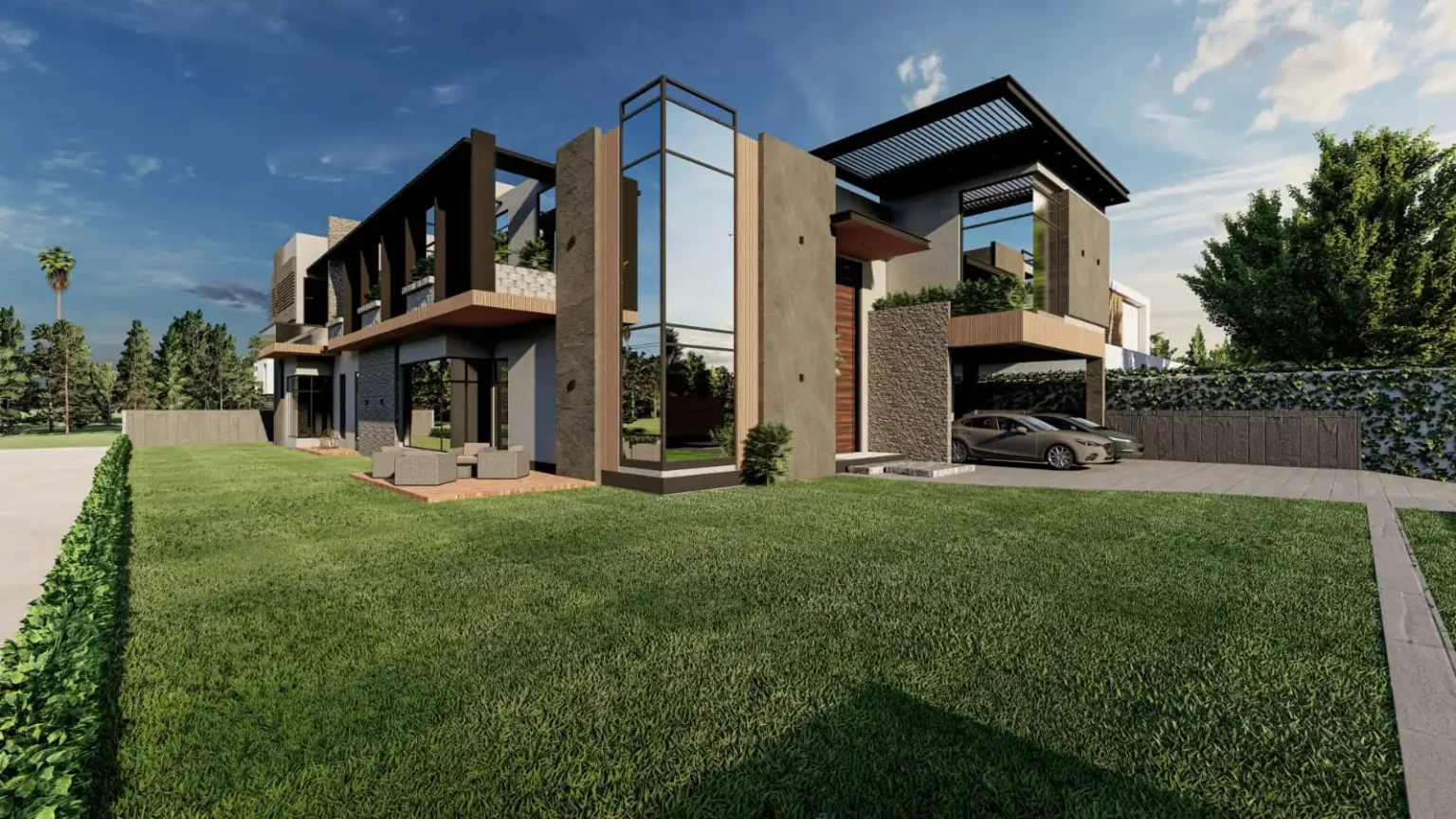
- Digital Integration: Incorporating smart technologies to enhance user experience and building management.
Summary
Restoring heritage buildings through creative adaptive reuse is a testament to our commitment to preserving history while embracing the future. By breathing new life into these architectural treasures, we ensure that they remain integral parts of our communities for generations to come. Whether transforming a factory into an art gallery or a school into a community center, each project contributes to a sustainable and culturally rich urban environment. As cities evolve, so too do the opportunities to innovate and reimagine our architectural heritage.
In summary, restoring heritage buildings is not just about construction—it’s about storytelling, sustainability, and the enduring legacy of our built environment. Through adaptive reuse, we celebrate the past while embracing a dynamic future, one revitalized building at a time.
Contact Us,
Name: House Lifters North Island
Address: 66C Morrin Road, St Johns, Auckland 1072, New Zealand
Phone: +64 9 448 1109