




Overview of Chlorination Chemical Reaction Technology
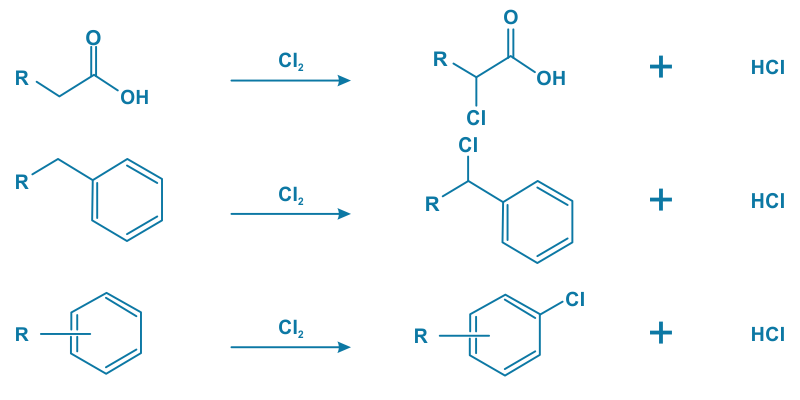
Chlorination is a pivotal chemical reaction technology employed in various industries, especially in pharmaceuticals. It involves the introduction of chlorine into a molecule, altering its chemical structure and properties. This technology is crucial for the production of numerous pharmaceutical intermediates and chlorinated reagents, which serve as essential components in drug synthesis and other fine chemicals.
chlorination chemical reaction

Introduction to Ganesh Remedies and Their Focus on Chlorination
Ganesh Remedies, a leading company in the chemical manufacturing sector, specializes in chlorination technology. The company leverages its expertise to produce high-quality chlorinated compounds, ensuring sustainable and efficient production processes. Ganesh Remedies' commitment to innovation and environmental stewardship makes them a key player in the pharmaceutical industry.
Relevance and Importance in the Pharmaceutical Industry
Chlorination is integral to the pharmaceutical industry due to its role in creating compounds with enhanced biological activity. Chlorinated intermediates are often used to synthesize active pharmaceutical ingredients (APIs) and other critical drug components. The technology's ability to produce these compounds efficiently and sustainably underscores its significance in modern pharmaceutical manufacturing.
Technical Specifications
Definition of Chlorination
Chlorination is the process of introducing chlorine atoms into organic or inorganic compounds. This can occur through various mechanisms, such as electrophilic substitution, addition, or oxidation reactions. The resulting chlorinated compounds often exhibit unique chemical and physical properties, making them valuable in numerous applications.
Chemical Reactions Involved in Chlorination
The primary reactions in chlorination involve the interaction between chlorine and the target molecule. For organic compounds, common reactions include chlorination of alkanes, alkenes, and aromatics. Each reaction type involves specific conditions and catalysts to achieve the desired chlorination efficiently and selectively.
Types of Chlorinating Agents
Chlorinating agents vary widely, with some of the most common being chlorine gas (Cl2), hydrochloric acid (HCl), and sodium hypochlorite (NaOCl). Each agent has its advantages and applications, depending on the target compound and desired reaction outcome.
Safety and Environmental Considerations
Safety and environmental impact are critical concerns in chlorination processes. Ganesh Remedies employs closed systems to minimize the release of hazardous gases and ensure the safety of their operations. Additionally, by-products are carefully managed through recycling or conversion into less harmful substances, reducing the environmental footprint.
Applications
Pharmaceutical Intermediates
Chlorination is vital for producing pharmaceutical intermediates, which are key components in drug synthesis. These intermediates often require specific chlorinated structures to achieve the necessary pharmacological activity. Ganesh Remedies utilizes chlorination to create these intermediates with high purity and consistency.
Chlorinated Reagents and Their Derivatives
Chlorinated reagents are essential in various chemical reactions, providing unique reactivity profiles that enable complex syntheses. These reagents and their derivatives are used in custom synthesis, allowing for the creation of tailored compounds for specific applications in pharmaceuticals and other industries.
Fine Chemicals and Custom Synthesis
Beyond pharmaceuticals, chlorinated compounds are used in the production of fine chemicals, which are high-value chemicals used in specialized applications. Ganesh Remedies excels in custom synthesis, providing bespoke solutions that meet the unique needs of their clients.
Benefits
Sustainable Production Processes
Ganesh Remedies prioritizes sustainability in their chlorination processes. By using closed systems and recycling waste gases, they minimize environmental impact and promote sustainable manufacturing practices.
Efficiency in Batch and Continuous Processes
The company employs both batch and continuous processes for chlorination, optimizing efficiency and productivity. This flexibility allows them to meet varying production demands while maintaining high standards of quality.
Environmentally Friendly Recycling of Gases
All exhaust gases generated during chlorination are either recycled or converted into less harmful substances. This environmentally friendly approach not only reduces emissions but also contributes to the overall sustainability of the production process.
Challenges and Limitations
Potential Drawbacks of Chlorination
Despite its benefits, chlorination also presents certain challenges. The handling and storage of chlorine and chlorinating agents require stringent safety measures to prevent accidents and exposure.
Health and Safety Risks
Chlorine is a hazardous substance, and its use necessitates rigorous safety protocols. Workers must be adequately trained, and facilities equipped with proper safety equipment to mitigate health risks.
Environmental Concerns
The release of chlorinated by-products can have detrimental environmental effects if not properly managed. Ganesh Remedies addresses these concerns by implementing advanced waste treatment and recycling systems to minimize environmental impact.
Latest Innovations
Recent Advancements in Chlorination Technology
Recent innovations in chlorination technology have focused on improving efficiency and safety. Advances in catalyst development and reaction conditions have led to more selective and environmentally friendly chlorination processes.
Integration of Closed Systems in Manufacturing
The adoption of closed systems has revolutionized chlorination technology. These systems contain and recycle waste gases, reducing emissions and enhancing the overall safety of the manufacturing process.
Development of New Chlorinating Agents
Ongoing research has led to the discovery of new chlorinating agents that offer improved reactivity and selectivity. These agents enable more efficient synthesis of complex chlorinated compounds, expanding the scope of applications in pharmaceuticals and fine chemicals.
Future Prospects
Predictions for the Future of Chlorination Technology
The future of chlorination technology looks promising, with continued advancements expected in efficiency, safety, and environmental sustainability. Innovations in catalyst development and reaction engineering will likely drive further improvements in chlorination processes.
Potential Developments in Pharmaceutical Applications
Chlorination will continue to play a crucial role in pharmaceutical development. The creation of new chlorinated intermediates and APIs will enable the production of novel drugs with enhanced therapeutic properties.
Long-term Environmental Impact
Efforts to minimize the environmental impact of chlorination are ongoing. Future developments will focus on further reducing emissions and improving waste management practices to ensure the long-term sustainability of chlorination technology.
Comparative Analysis
Comparison with Other Chemical Reaction Technologies
Chlorination is often compared to other halogenation processes, such as fluorination and bromination. Each technology has its advantages and limitations, with chlorination being favored for its versatility and cost-effectiveness.
Advantages Over Alternative Methods
Chlorination offers several advantages over alternative chemical reaction technologies, including its broad applicability, efficiency, and relatively low cost. These benefits make it a preferred choice for many industrial applications.
Case Studies of Successful Implementations
Ganesh Remedies has successfully implemented chlorination technology in various projects, demonstrating its effectiveness and reliability. These case studies highlight the company's expertise and the practical benefits of chlorination in real-world applications.
chlorination chemical reaction || chlorination chemical reaction technology| Chlorination with Chlorine| Chlorination with Thionyl Chloride| Chlorination with Sulfuryl Chloride | Alkyl and Aryl chlorides| Carboxylic acid esters | Sulfonyl chlorides, aliphatic | Sulfonyl chlorides, aromatic | chlorination for pharmaceutical industry |
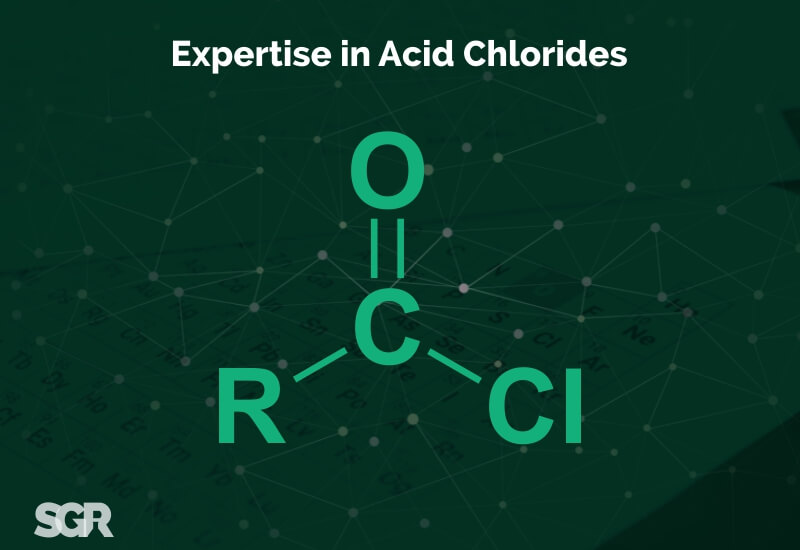


Acid Chloride Manufacturing by SGRL — Trusted CDMO Partner for Advanced Intermediates
Acid chlorides are among the most important building blocks in the pharmaceutical, agrochemical, and spec

Ethylene Dichloride (EDC) Industry research report delivers a close watch on leading competitors with strategic analysis, micro and macro market trend and scenarios, pricing analysis and a holistic overview of the market situations in the forecast period.
Get FREE Sample Report Before Buying @ https://www.upmarketresearch.com/home/requested_sample/8528 UpMarketResearch offers a latest published report on “Global Ethylene Dichloride (EDC) Market Analysis and Forecast 2018-2023” delivering key insights and providing a competitive advantage to clients through a detailed report.
Further, key players, major collaborations, merger & acquisitions along with trending innovation and business policies are reviewed in the report.
The numerical data is backed up by statistical tools such as SWOT analysis, BCG matrix, SCOT analysis, PESTLE analysis and so on.
The generated report is firmly based on primary research, interviews with top executives, news sources and information insiders.
Region-wise Analysis Global Ethylene Dichloride (EDC) Market covers:North AmericaEuropeChinaJapanIndiaSoutheast AsiaOther regions (Central & South America, Middle East & Africa) The Major players reported in the market include:Dow ChemicalFormosa PlasticsINEOSMitsubishi ChemicalSABICOccidental ChemicalSolVinBASFBayerLG ChemicalNova ChemicalReliance IndustriesSinopec GroupXinjiang Zhongtai Chemical For More Information, Please Visit https://www.upmarketresearch.com/home/enquiry_before_buying/8528 Global Ethylene Dichloride (EDC) Market: Product Segment Analysis:Direct ChlorinationOxychlorination Global Ethylene Dichloride (EDC) Market: Application Segment Analysis:IndustrialConsumer GoodsOther The Report covers in-depth analysis as follows:Chapter 1 Industry Overview of Ethylene Dichloride (EDC)Chapter 2 Manufacturing Cost Structure Analysis of Ethylene Dichloride (EDC)Chapter 3 Technical Data and Manufacturing Plants Analysis of Ethylene Dichloride (EDC)Chapter 4 Global Ethylene Dichloride (EDC) Overall Market OverviewChapter 5 Ethylene Dichloride (EDC) Regional Market AnalysisChapter 6 Global 2013-2018E Ethylene Dichloride (EDC) Segment Market Analysis (by Type)Chapter 7 Global 2013-2018E Ethylene Dichloride (EDC) Segment Market Analysis (by Application)Chapter 8 Major Manufacturers Analysis of Ethylene Dichloride (EDC)Chapter 9 Development Trend of Analysis of Ethylene Dichloride (EDC) MarketChapter 10 Ethylene Dichloride (EDC) Marketing Type AnalysisChapter 11 Consumers Analysis of Ethylene Dichloride (EDC)Chapter 12 Conclusion of the Global Ethylene Dichloride (EDC) Market Professional Survey Report 2017 Buy Ethylene Dichloride (EDC) Market analysis & forecast 2018-2023 Report along with complete TOC @ https://www.upmarketresearch.com/buy/ethylene-dichloride-market “Ethylene Dichloride (EDC) Market Analysis and Forecast 2018-2023” report helps the clients to take business decisions and to understand strategies of major players in the industry.
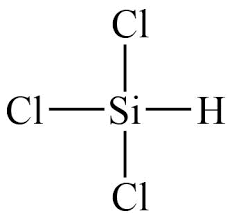
Report on World Trichlorosilane Market by Product Type, Market, Players and Regions-Forecast to 2025 by DecisionDatabases.comTrichlorosilane market research report provides the newest industry data and industry future trends, allowing you to identify the products and end users driving Revenue growth and profitability.The industry report lists the leading competitors and provides the insights strategic industry Analysis of the key factors influencing the market.The report includes the forecasts, Analysis and discussion of important industry trends, market size, market share estimates and profiles of the leading industry Players.Browse the complete report and table of contents @ https://www.decisiondatabases.com/ip/46826-world-trichlorosilane-market-reportThe Players mentioned in our reportGCLWackerOCITBEARECSunEdisionYongxiang CoEvonikTokuyamaHemlockDaqo New EnergyKCCDun’An GroupGlobal Trichlorosilane Market: Product Segment AnalysisDirect Chlorination (DC) processHydrochlorinaton (HC) processGlobal Trichlorosilane Market: Application Segment AnalysisPolysiliconChemical intermediateGlobal Trichlorosilane Market: Regional Segment AnalysisUSAEuropeJapanChinaIndiaSouth East AsiaDownload Free Sample Report of World Trichlorosilane Market @ https://www.decisiondatabases.com/contact/download-sample-46826There are 10 Chapters to deeply display the World Trichlorosilane market.Chapter 1 About the Trichlorosilane IndustryChapter 2 World Market Competition LandscapeChapter 3 World Trichlorosilane Market shareChapter 4 Supply Chain AnalysisChapter 5 Company ProfilesChapter 6 Globalisation & TradeChapter 7 Distributors and CustomersChapter 8 Import, Export, Consumption and Consumption Value by Major CountriesChapter 9 World Trichlorosilane Market Forecast through 2025Chapter 10 Key success factors and Market OverviewPurchase the complete World Trichlorosilane Market Research Report @ https://www.decisiondatabases.com/contact/buy-now-46826Other Reports by DecisionDatabases.com:World Trichloroethylene Market Research Report 2022 (covering USA, Europe, China, Japan, India, South East Asia and etc)About-Us:DecisionDatabases.com is a global business research reports provider, enriching decision makers and strategists with qualitative statistics.
DecisionDatabases.com is proficient in providing syndicated research report, customized research reports, company profiles and industry databases across multiple domains.Our expert research analysts have been trained to map client’s research requirements to the correct research resource leading to a distinctive edge over its competitors.
We provide intellectual, precise and meaningful data at a lightning speed.For more details:DecisionDatabases.comE-Mail: sales@decisiondatabases.comPhone: +91 9028057900Web: https://www.decisiondatabases.com/