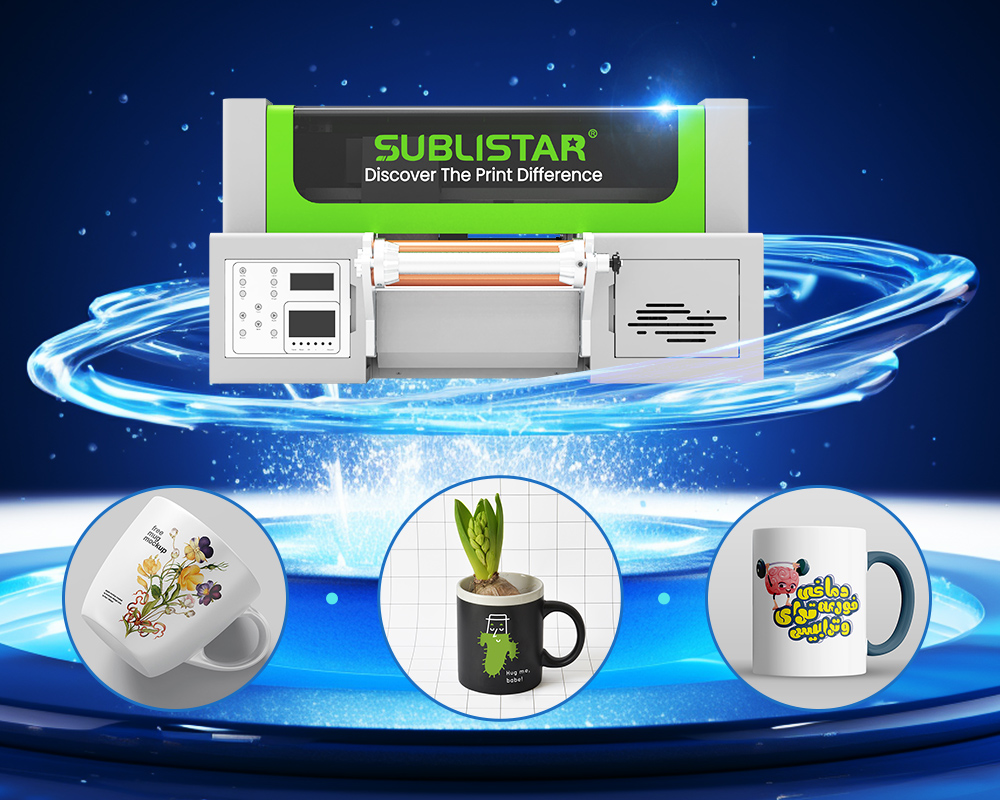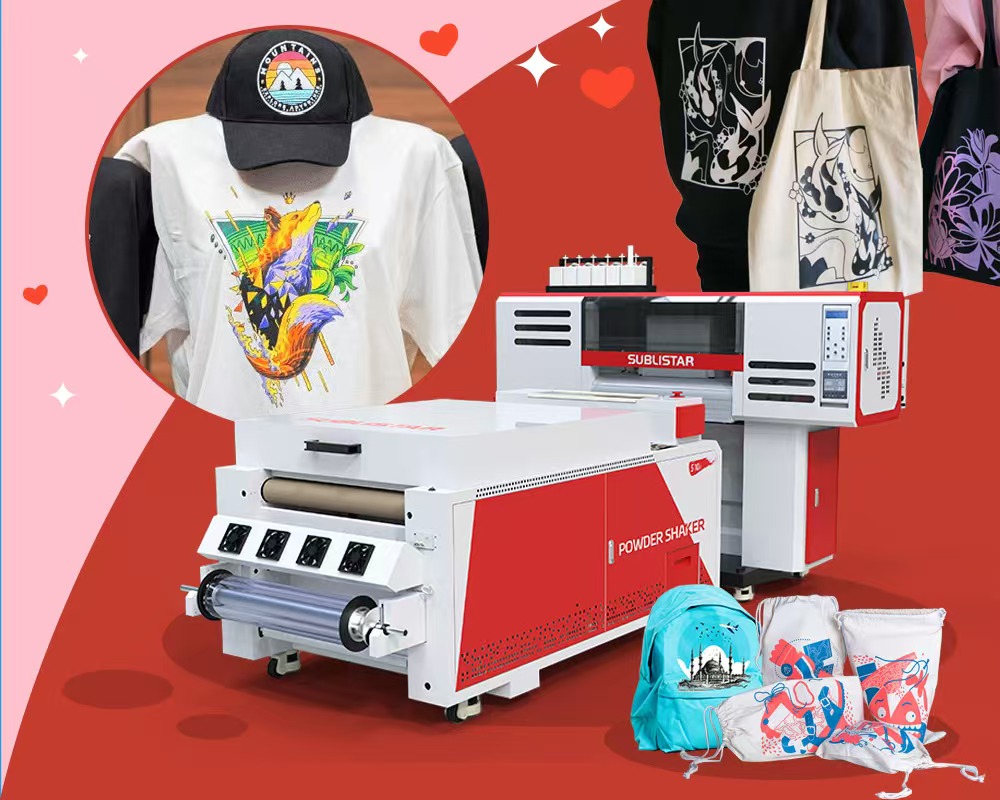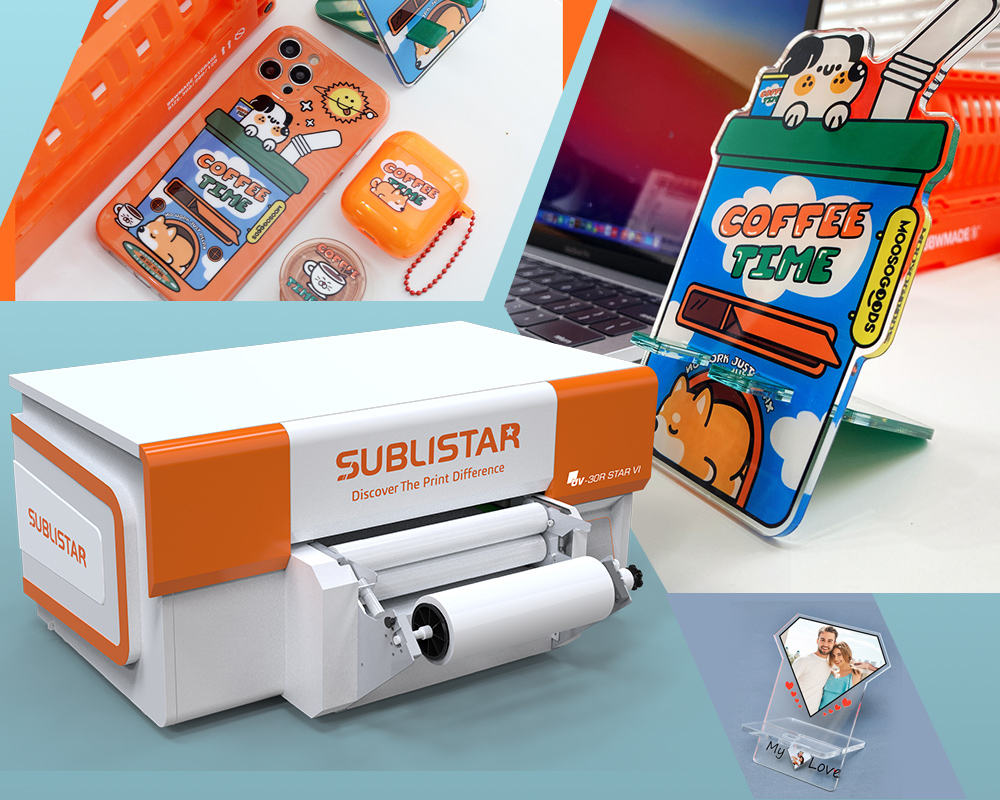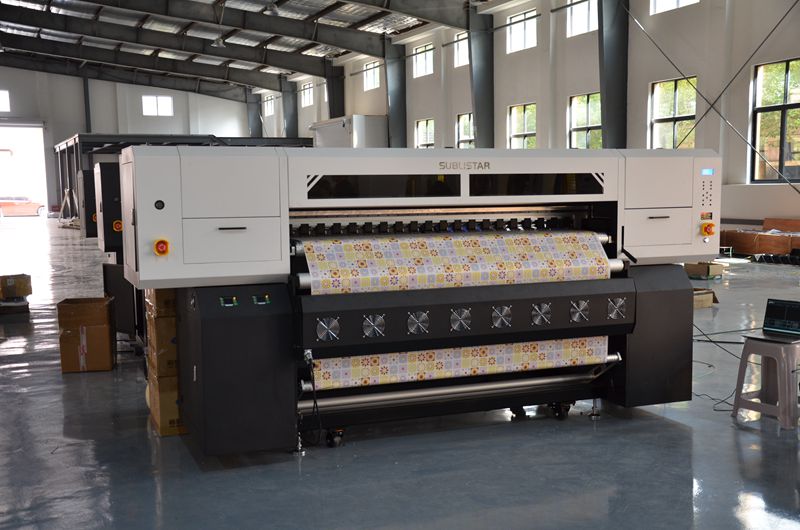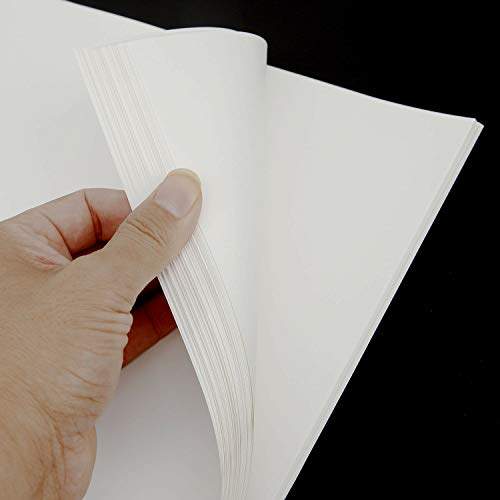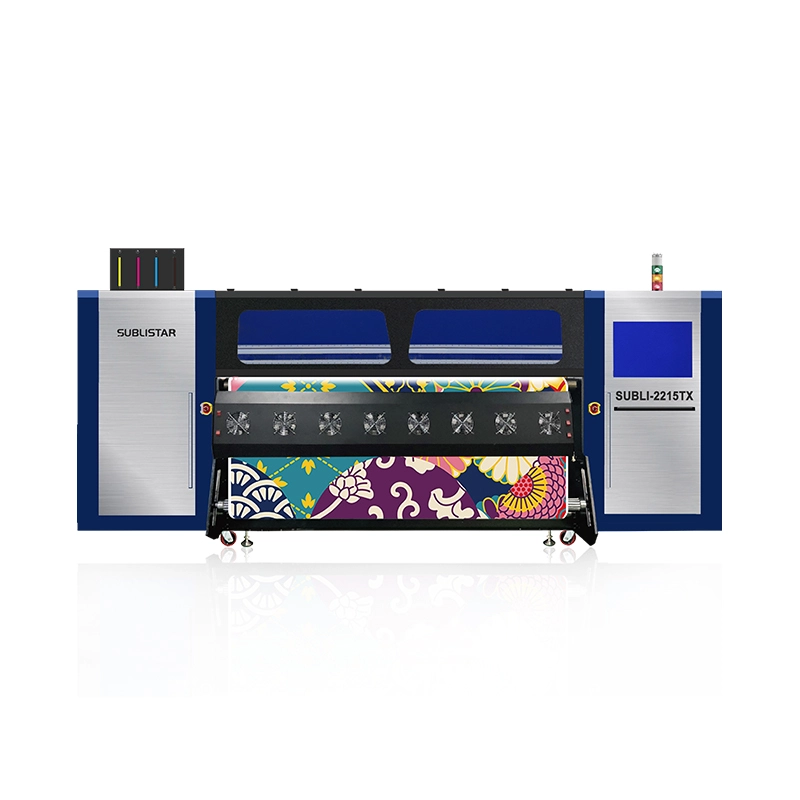
Sublimation printing is a printing method. It is used to print on polyester or other synthetic fabrics. Printers using large-format inkjets and specially designed inks are utilized to print on flags, apparel, tablecloths, banners, and ID cards. Images are initially printed on coated heat-resistant transfer paper in reverse of the final design, which is later transferred onto polyester fabric in a heat press that operates at temperatures between 180 and 210℃.
Dye-sublimation prints have full color and are long-lasting and high-resolution. They can be cleaned without damaging their quality. The dyes aren't placed on top of the substrate but instead are infused on a molecular level into the substrate. This keeps the prints from cracking, fading, or peeling in normal conditions.
Are you familiar with the way it works?
Sublimation inks are absorbed by the layer of the substrate to produce dye-sublimation prints. Polymers can be found in materials such as plastics, nylon, and polyester fabrics. If heated, they enable the ink to bond. If you were to look inside the dye-sublimation printer would see a huge stretch of transparent film which appears like a sheet of red, blue, yellow, and gray colored cellophane that are glued together from end to end. Embedded in this film are solid dyes that match the four basic colors employed in printing such as cyan, magenta black, and yellow. The print head is heated when it moves across the film, causing dyes to evaporate and penetrate the glossy surface of paper, before returning to solid form.
When the digital sublimation printing is finished heat and pressure are applied. A heat press is employed to transfer the ink onto the surface. The ink that is on the transfer paper and the fibers of the substrate (material being sublimated) transfer the ink onto the substrate or material. The pores of the polymers are widened at the time of heat press, allowing sublimation ink to be able to enter. Once the heat has been removed and the paper has been removed, all that is left is a permanent, full-color image on the substrate.
What is the best way to print? Traditional Printing?
The History of Printing
When we think of printing methods in the textile industry, there are six traditional printing methods for printing onto fabric. Fabric patterns form distinct images within our minds when we see them. These patterns can be traced back to the printing techniques.
Roller Machine Printing
In the 18th century, when it was first invented, machine printing with the use of color rollers was an innovation in its day. This allows for mass production and distribution of printed fabrics.
Hand Block Printing
Handblock printing was considered to be one of the earliest forms of textile printing. This method of textile print was created by carving the design on a wooden block. The ink is then dipped on the block before being pressed onto the fabric.
Perrone Printing
Pyrhotine printing is a form of block printing, which makes use of wooden blocks. This kind of printing attempted to automate the manual process of printing by hand.
Engraved Copperplate Printing
The same method is used in hand block printing with an alternative substrate. Copperplate printing was done using copper, with designs etched onto its surface.
Screen Printing
In addition to screen printing, which is digital printing is among the most frequently used textile printing techniques today. In this method, a squeegee is employed to move ink across the screen, and then onto fabric.
Digital Printing
This process, referred to as Direct-to-Garment (DTG) employs sublimation to print on fabric. Sublimation is a type of digital printing.
Digital Printing Quality
Printing photos of photo lab quality can be done with dye-sublimation printers.
When printing with dye-sublimation, the colors are not placed as distinct dots, as the case with Inkjet printers. Each dot can be identified at a fairly close distance, making digital pictures appear less real.
Dye-sublimation printing uses a digital printing process that prints full-color artworks that work with polymer-coated and polyester substrates.
Cost-Effective :
Digital printing allows you to customize banners of any size from small to large, at a low cost.
Soft Signage
Dye-sublimation printing yields beautiful and durable colors that are incorporated into the fabric or substrate instead of being printed on the surface. Images on fabric won't break or fade, even after many washings. Since the ink is mixed into the molecules of fabric.
Hard Substrates:
Images dye sublimated on hard substrates will not peel, scratch, or chip.
Advantages of dye-sublimation over other methods of printing on textiles
The dye does not build up on the fabric and remains in place. Due to the bonds between the dye and the transparent fibers of the synthetic fabric, the colors can be stunning. It is possible to achieve continuous tones similar to photographs without using special methods like half-screen printing.
Please feel free to contact me for any Sublimation Products, such as dye sublimation papers as well as sublimation ink or sublimation printers.