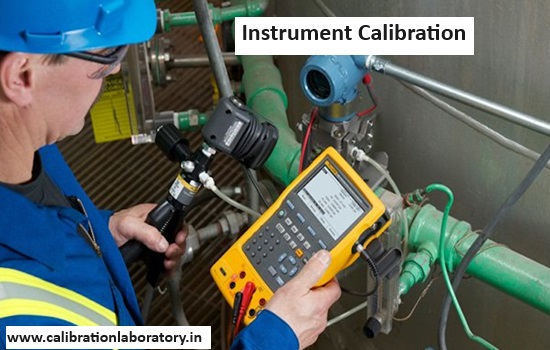
Measurement instruments and precision reliability are guaranteed by calibration, which is an essential process used in many sectors. Finding any mistakes or variations from the known standard entails comparing the results obtained from a device to that standard. Businesses may uphold the accuracy of their measurements, comply with legal requirements, and improve the specifications of their goods and services by routinely calibrating their equipment. The essentials of calibration are briefly discussed in this article, along with its significance, definitions, common terms, procedure, best practices, and difficulties.
Typical Methods of Instrument Calibration
Various techniques are employed in the calibration process, depending upon the nature of the instruments or equipment requiring calibration. Some typical techniques for instrument calibration include the following:
Calibration of Mechanical Instruments
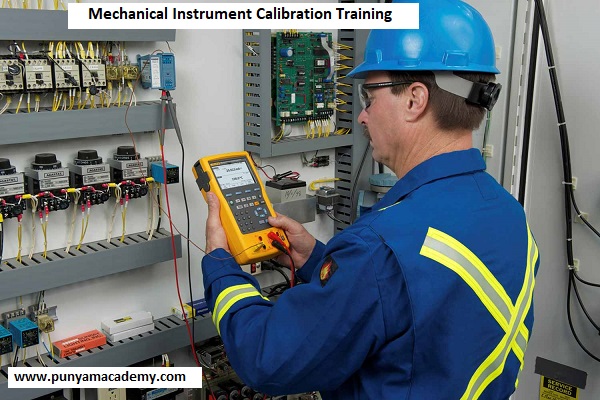
- Measuring and adjusting mechanical parameters including torque, pressure, force, and dimensions is known as mechanical calibration. It is frequently necessary to use specialist tools for this calibration process, such as torque wrenches, force gauges, and pressure calibrators. The precise and within-specified range operation of mechanical systems and components is guaranteed by mechanical calibration.
- In mechanical calibration, errors or variations are found and corrected by comparing the instruments to reference standards. Applying known loads or forces to the device and observing its response could be part of this process. To guarantee the accuracy and dependability of the instrument, the calibration experts then make adjustments to bring it into line with the reference standard.
Calibration of Temperature-measuring Instruments
- The process of temperature calibration is used to adjust temperature-measuring devices including thermometers, temperature controllers, ovens, furnaces, and thermal cameras. The correct operation of temperature-sensitive machinery and processes, as well as the precision of temperature data, are guaranteed by this calibration technique. The process of temperature calibration is comparing the results from the device to either a standard reference thermometer or a temperature bath that maintains a consistent and known temperature.
- When comparing the instrument's readings to the reference standard, the calibration technician exposes it to varying temperature points. The measurements of the instrument are compared to the reference standard after any variances or errors are found and corrected. In industries including food processing, pharmaceutical manufacture, industrial manufacturing, and environmental monitoring where accurate temperature control is crucial, temperature calibration plays a vital role.
Calibration of Electrical Instruments
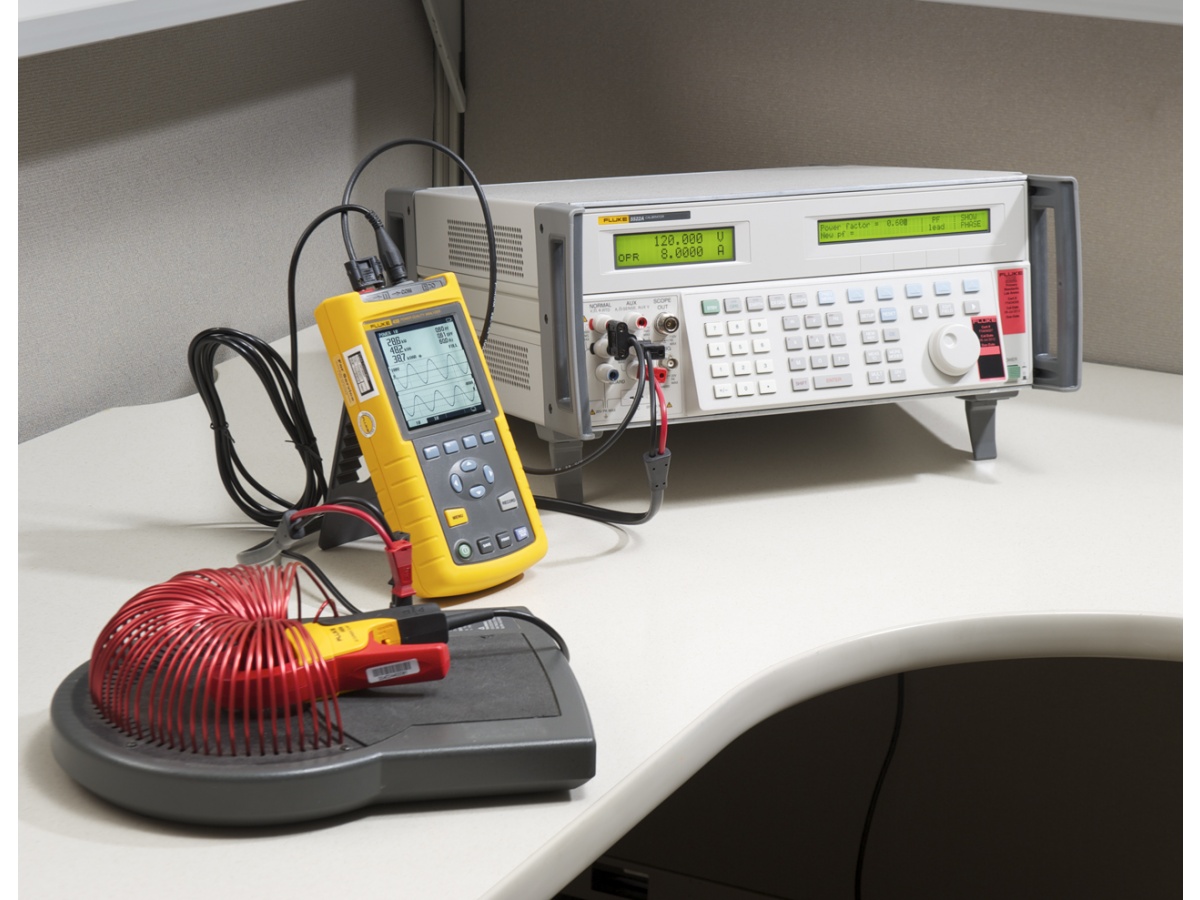
- Measurements of electrical quantities including voltage, current, resistance, and frequency are made with devices that are calibrated electrically. Using a traceable reference standard, such as a signal generator or precision multimeter, the instrument's results are compared using this method. Electrical measurement devices, such as oscilloscopes, ammeters, and voltmeters, are guaranteed to be accurate through electrical calibration.
- In industries such as electricity distribution and electronics production, the calibration specialist performs tests and measurements to verify the instrument's performance, detect any deviations, and make necessary adjustments to preserve accuracy and dependability.
Challenges in Calibration
Calibration lab requires careful thought and problem-solving abilities due to a several problems, such as limited equipment, environmental conditions, and human error.
- Instrument Limitations: Due to instrument restrictions that can introduce errors and result in incorrect findings, calibration specialists encounter obstacles. The calibration standards they choose must be more precise and accurate than the device being calibrate to get beyond these limitations. Identification and repair of performance drift or decline over time can be facilitated by routine maintenance and periodic calibration.
- Environmental Factors: Calibration accuracy can be significantly affected by factors like vibration, temperature, humidity, and radiation. The reliability of measurements may be compromised and systematic mistakes introduced by these types of situations. Calibration experts apply vibration reduction techniques to reduce mechanical vibrations on sensitive instruments and use environmental chambers or controlled settings to maintain temperature and humidity to mitigate these difficulties.
- Human Error: Even with advances in automation and precision instruments, human error is still a major problem in the calibration process. It may be caused on by inaccurate data entry, improper standard handling, or incorrect understanding of calibrating techniques. Instrument Calibration specialists should follow strict guidelines, create a strong quality management system, document every step, get thorough Mechanical Instrument Calibration training online, and be subject to frequent audits and peer reviews to reduce errors.
An essential process for ensuring the precision and reliability of measuring tools and equipment is calibration. Organizations may maintain high levels of quality, comply with industry laws, and make decisions based on trustworthy data by realizing the importance of calibration, becoming familiar with essential concepts, and using common calibration processes.