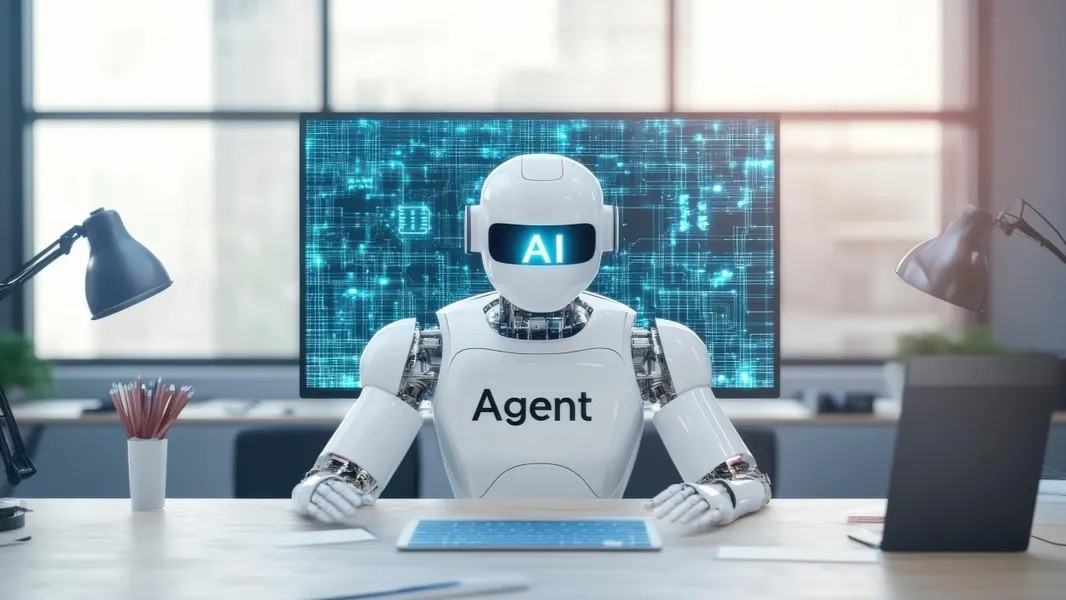
Artificial Intelligence (AI) agents are autonomous entities capable of performing tasks, making decisions, and learning from their environments. These agents can operate independently or as part of a system to achieve specific goals, leveraging advanced algorithms and vast amounts of data. The emergence of AI agents is revolutionizing industries by automating processes, enhancing productivity, and enabling more sophisticated decision-making.
What are AI Agents?
AI agents are software programs that mimic human-like intelligence to perform tasks without continuous human intervention. They can perceive their environment through sensors, process information using algorithms, and act based on their programming or learned experiences. There are various types of AI agents, including reactive agents, which respond to changes in their environment, and proactive agents, which take initiative to achieve their objectives.
Applications of AI Agents
The applications of AI agents are vast and varied. In customer service, AI agents, often in the form of chatbots, handle inquiries, provide support, and offer personalized recommendations, significantly reducing the workload on human agents. In finance, AI agents analyze market trends, predict stock movements, and execute trades at lightning speed, maximizing profits while minimizing risks.
In healthcare, AI agents assist in diagnosing diseases, suggesting treatment plans, and even monitoring patients' vital signs in real-time. This not only improves patient outcomes but also alleviates the pressure on medical professionals. Additionally, in the realm of smart homes and cities, AI agents manage energy consumption, optimize traffic flow, and enhance security, contributing to more efficient and sustainable living environments.
Advantages of AI Agents
One of the primary advantages of AI agents is their ability to process and analyze vast amounts of data quickly and accurately. This capability allows them to uncover patterns and insights that humans might overlook. Moreover, AI agents operate continuously without fatigue, ensuring consistent performance and reliability.
Another significant benefit is their adaptability. AI agents can learn from their experiences, improving their performance over time. This learning ability is particularly crucial in dynamic environments where conditions change rapidly. Furthermore, by automating routine tasks, AI agents free up human workers to focus on more complex and creative endeavors, driving innovation and growth.
Challenges and Ethical Considerations
Despite their numerous benefits, AI agents also present challenges and ethical considerations. Ensuring the transparency and accountability of AI decisions is paramount, particularly in sensitive areas like finance and healthcare. There are concerns about job displacement due to automation, making it essential to balance technological advancement with workforce retraining and upskilling initiatives.
Moreover, the ethical use of AI agents involves addressing biases in AI algorithms to prevent discrimination and ensure fairness. Robust regulatory frameworks and guidelines are necessary to govern the development and deployment of AI agents responsibly.
Conclusion
AI agents are at the forefront of the next wave of technological innovation, transforming how we live and work. Their ability to automate tasks, analyze data, and make informed decisions positions them as indispensable tools in various sectors. However, to fully harness their potential, it is crucial to address the accompanying challenges and ethical considerations, ensuring that AI agents contribute positively to society.
As AI technology continues to evolve, the role of AI agents will undoubtedly expand, offering new opportunities and reshaping industries in ways we have yet to imagine. The future of AI agents is not just about automation; it's about augmenting human capabilities and driving progress toward a more intelligent and efficient world.
Read More about AI Agents @ https://datafortune.com/ai-agents-a-guide-to-the-future-of-ai-agents-for-business-and-enterprises/
4o