





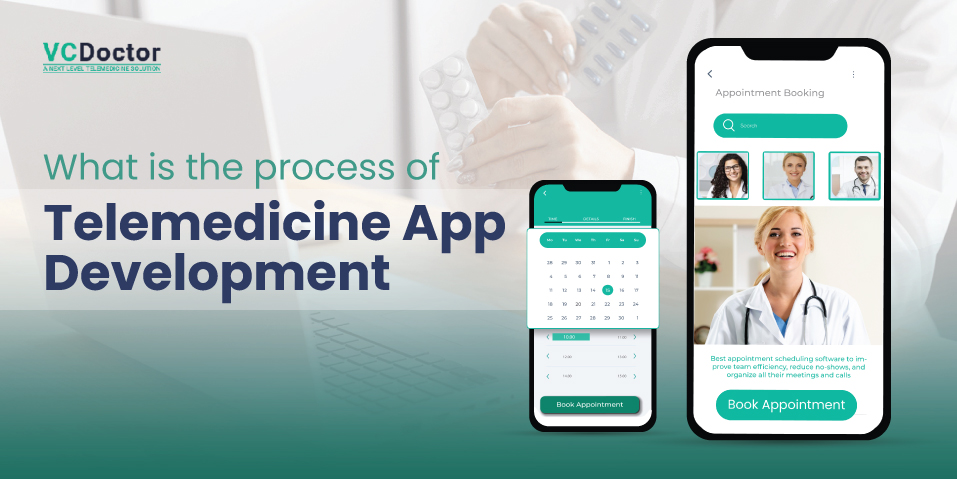
Telemedicine, once a niche concept, has rapidly transformed into a mainstream method of healthcare delivery. The advent of telemedicine app development has revolutionized how patients interact with healthcare providers, offering convenience, accessibility, and efficiency. This comprehensive guide explores the intricate process of developing a telemedicine app, from initial ideation to deployment and beyond.
Introduction to Telemedicine Apps
Telemedicine apps facilitate remote consultations between patients and healthcare professionals through digital platforms. These apps leverage technology to overcome geographical barriers, enabling patients to access medical advice, diagnosis, and treatment from anywhere with an internet connection. Key features typically include secure video conferencing, electronic health record (EHR) integration, real-time messaging, and prescription management.
Understanding the Need for Telemedicine Apps
The need for telemedicine apps is underscored by several factors:
- Accessibility: Facilitates healthcare access for individuals in rural or underserved areas.
- Convenience: Eliminates travel time and waiting room visits for patients.
- Scalability: Allows healthcare providers to reach a broader patient base efficiently.
- Cost-effectiveness: Reduces healthcare costs associated with traditional in-person visits.
Steps in Telemedicine App Development
Developing a telemedicine app involves a systematic approach encompassing various stages:
1. Market Research and Planning
Before diving into development, thorough market research is essential to identify target demographics, competitor analysis, and regulatory requirements. Key considerations include:
- User Needs: Understanding what patients and healthcare providers expect from a telemedicine app.
- Regulatory Compliance: Ensuring adherence to HIPAA (Health Insurance Portability and Accountability Act) or relevant data protection laws.
- Business Model: Deciding on revenue generation strategies, such as subscription models or per-consultation fees.
2. Defining Functional Requirements
Based on research insights, define the core functionalities of the telemedicine app. Common features include:
- User Profiles: Secure registration and profile management for patients and healthcare providers.
- Appointment Scheduling: Intuitive calendars with availability options for booking consultations.
- Virtual Consultations: HD video conferencing and real-time messaging for seamless communication.
- EHR Integration: Access to patient medical history and records for informed consultations.
- Prescription Management: Electronic prescription issuance and management for medication.
3. Design and User Experience (UX/UI)
A user-centric design is crucial for telemedicine apps to ensure ease of use and accessibility. Considerations include:
- Intuitive Interface: Simple navigation and minimalistic design to enhance user experience.
- Accessibility Features: Compatibility across devices (web, mobile, tablets) and ADA (Americans with Disabilities Act) compliance.
- Security Measures: End-to-end encryption, two-factor authentication, and data anonymization to safeguard patient information.
4. Development and Prototyping
The development phase involves creating a prototype or MVP (Minimum Viable Product) to validate the app's functionality and gather user feedback. Key steps include:
- Front-end Development: Creating the user interface and integrating design elements.
- Back-end Development: Building server architecture, database management, and API integrations.
- Testing: Conducting rigorous testing (unit testing, integration testing, and user acceptance testing) to identify and rectify bugs or usability issues.
5. Security and Compliance
Ensuring robust security measures and compliance with healthcare regulations are paramount:
- HIPAA Compliance: Implementing safeguards to protect patient data confidentiality and privacy.
- Data Encryption: Securing data transmission and storage using AES (Advanced Encryption Standard) protocols.
- Regular Audits: Conducting security audits and vulnerability assessments to mitigate risks.
6. Deployment and Launch
Once development and testing are complete, prepare for the app's deployment:
- App Store Submission: Comply with guidelines for Apple App Store and Google Play Store submission.
- Marketing Strategy: Generate buzz through targeted marketing campaigns and promotional activities.
- User Training: Providing tutorials or support materials to educate users on app usage and features.
7. Post-launch Monitoring and Updates
Monitoring app performance and gathering user feedback are essential for continuous improvement:
- Analytics: Utilizing analytics tools to track app usage metrics, user engagement, and feedback.
- Bug Fixes and Updates: Addressing user-reported issues promptly and releasing regular updates to enhance app functionality.
- Customer Support: Offering responsive customer support channels (email, chat, or helpline) to assist users with queries or concerns.
Future Trends in Telemedicine App Development
The landscape of telemedicine continues to evolve with advancements in technology and changing healthcare needs:
- AI and Machine Learning: Integration of AI-powered diagnostics and predictive analytics for personalized healthcare.
- IoT (Internet of Things): Remote monitoring devices for real-time health data collection and analysis.
- Blockchain: Enhancing data security and interoperability in healthcare transactions.
Conclusion
The development of a telemedicine app requires meticulous planning, technological expertise, and a deep understanding of healthcare regulations and user needs. By following a structured approach from market research to deployment and beyond, developers can create robust, user-friendly telemedicine solutions that enhance healthcare accessibility and efficiency. As technology continues to advance, telemedicine apps will play a crucial role in shaping the future of healthcare delivery worldwide.
SISGAIN is the top-notch telemedicine web and mobile app development platform providing remarkable telemedicine app development services in a wide range of countries worldwide.
We as a telemedicine app development company in Virginia have a personalized and unrestricted approach for better connectivity with patients and swift access to multiple healthcare services.
We offer feature-packed access underneath one roof including the mobile app and web portals for various market segments and clauses defining the different standards of claim process vary from one of a kind state workers comp documentation system.
Presently, In the healthcare world- convenience is the only right, not a privilege.
Our scalable telemedicine software development is treasured in context to time-saving and cost-cutting of your in-person visits.
For more information call us at +18444455767 or email us at hello@sisgain.com or Visit: https://sisgain.com/telemedicine-app-development-company-in-virginia