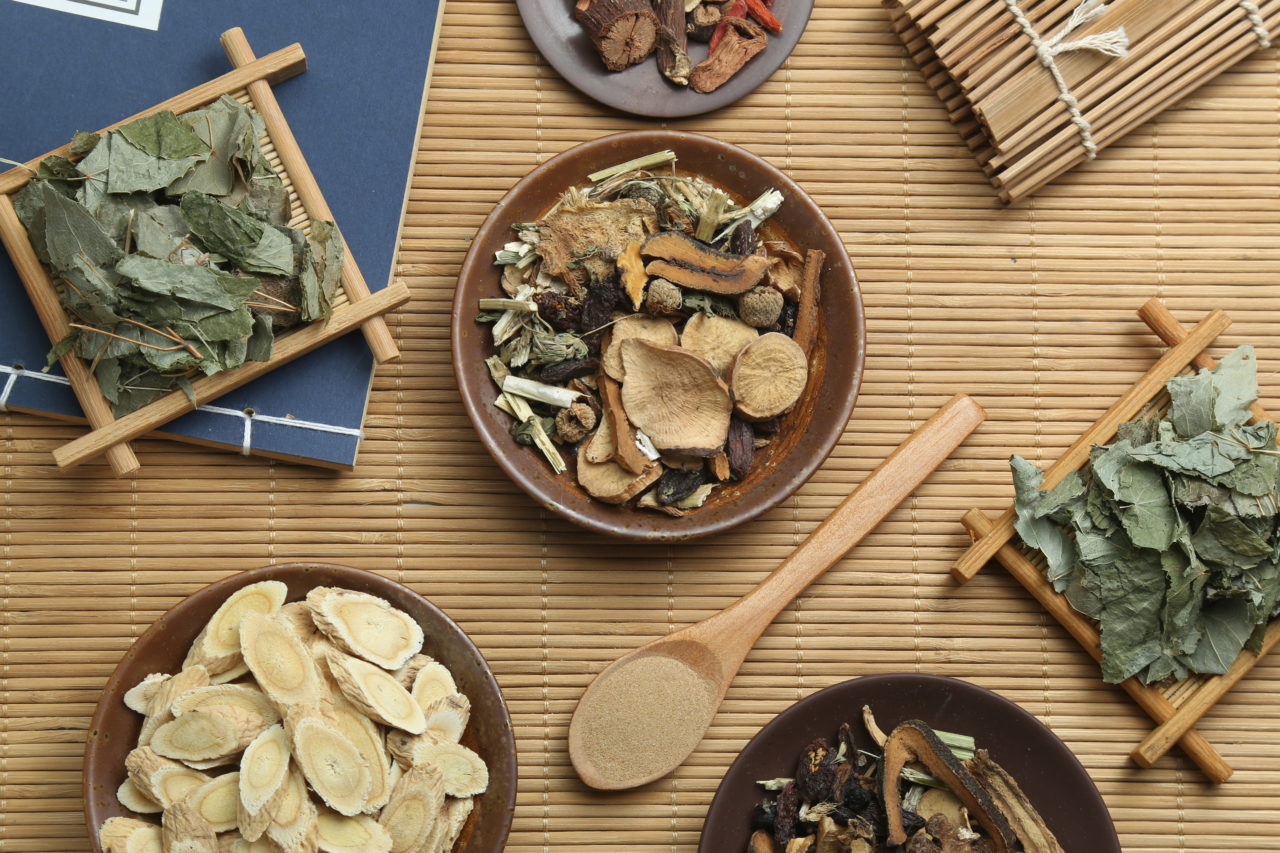
Are you curious about how ancient practices can influence modern well-being? Traditional Chinese Medicine (TCM) offers a treasure trove of benefits for those seeking a healthier life. With its roots stretching back thousands of years, TCM is more than just a collection of remedies; it's a holistic approach to health and wellness that balances the mind, body, and spirit. In this article, we’ll dive into the key benefits of TCM and explore how Chinese herbal medicine can enhance your life.
What is Traditional Chinese Medicine?
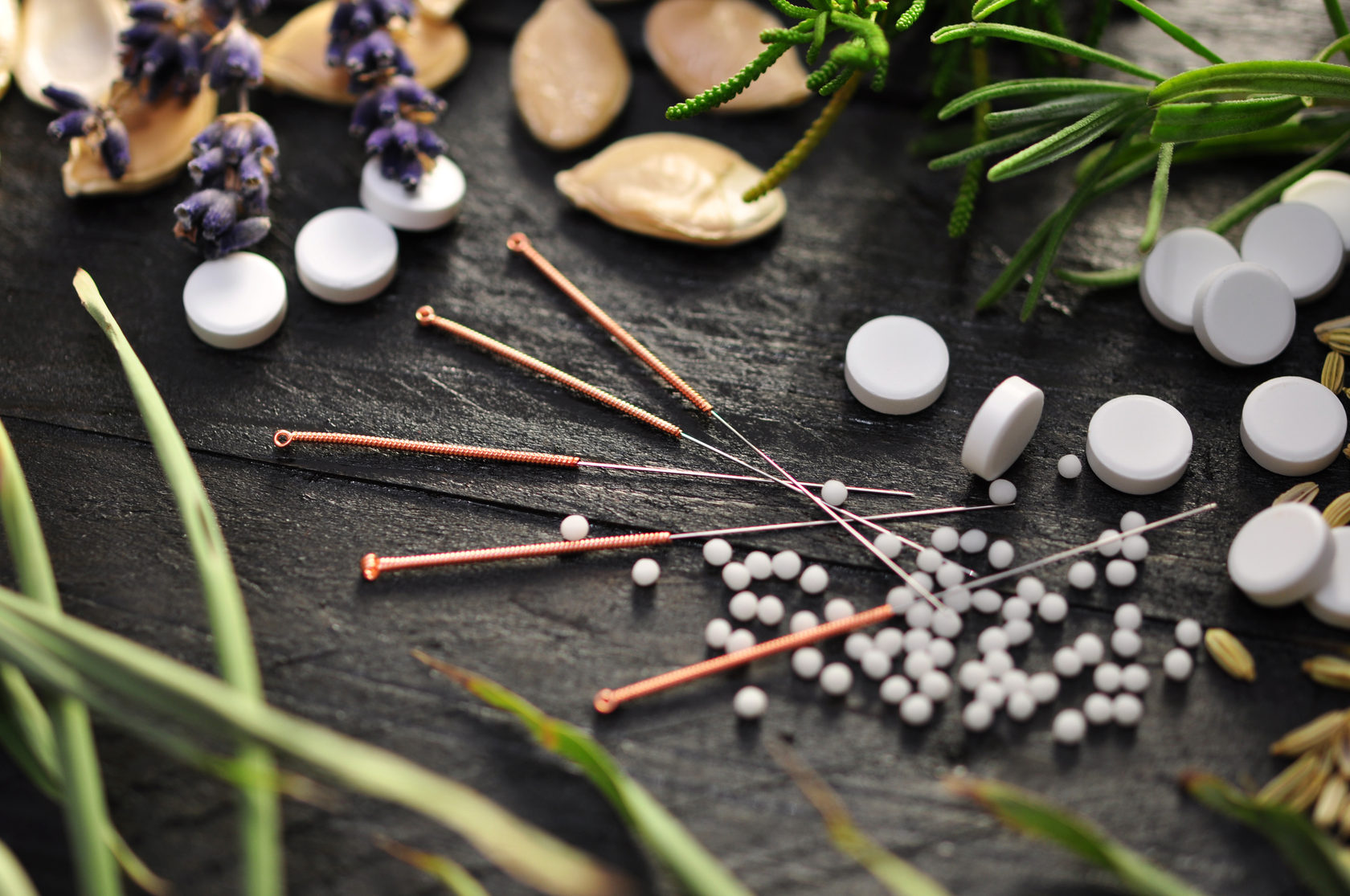
Traditional Chinese Medicine (TCM) is an ancient system of health care that has been practiced in China for over 2,000 years. Unlike Western medicine, which often focuses on treating symptoms, TCM aims to address the root cause of illness by balancing the body’s energy, or qi (pronounced "chee"). TCM uses a variety of techniques, including acupuncture, herbal medicine, and tai chi, to promote overall health and prevent disease.
The Philosophy Behind TCM
The philosophy of TCM is rooted in the belief that the body is a microcosm of the universe, and that health depends on harmony between the body, mind, and environment. TCM is based on the principles of yin and yang—opposite forces that must be in balance for optimal health. Additionally, the theory of the Five Elements (Wood, Fire, Earth, Metal, Water) plays a crucial role in understanding how different parts of the body interact with one another.
Key Principles of TCM
TCM revolves around several core principles:
- Qi (Energy): Qi is the vital energy that flows through the body. When Qi is balanced, we experience good health; when it is blocked or depleted, illness can occur.
- Yin and Yang: These are complementary forces that represent balance. Yin is associated with cooling, calming, and nourishing aspects, while Yang represents warmth, activity, and stimulation.
- Five Elements: The Five Elements (Wood, Fire, Earth, Metal, Water) are used to understand how different bodily functions interact and affect each other.
The Role of Chinese Herbal Medicine
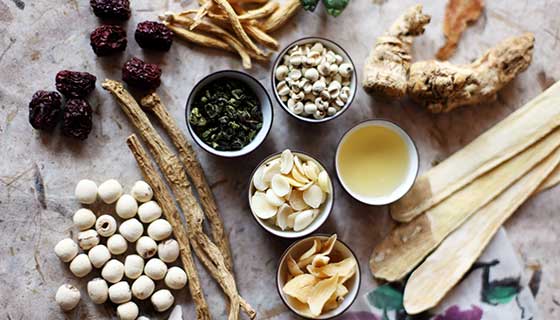
Chinese herbal medicine is a cornerstone of TCM. It involves the use of plants, minerals, and animal products to restore balance and promote healing. Herbs are carefully selected based on their properties and their ability to address specific imbalances in the body. Unlike pharmaceutical drugs, which often target individual symptoms, Chinese herbs work to support the body's overall balance and health.
Benefits of Chinese Herbal Medicine
Chinese herbal medicine offers a variety of benefits:
- Natural Healing: Herbal remedies can support the body's natural ability to heal without the side effects often associated with conventional medications.
- Personalized Treatment: TCM practitioners tailor treatments to the individual’s unique needs, addressing specific health concerns and imbalances.
- Holistic Approach: Chinese herbs work on multiple levels, addressing not just physical symptoms but also emotional and spiritual well-being.
How TCM Can Improve Your Health
TCM can improve your health in several ways:
- Boosts Immune System: Regular use of TCM practices can strengthen the immune system, making the body more resilient to illness.
- Enhances Digestion: Herbal remedies can aid in digestion and alleviate issues like bloating and constipation.
- Reduces Stress: Techniques like acupuncture and herbal medicine can help manage stress and promote relaxation.
Common Chinese Herbs and Their Uses
Here are a few common Chinese herbs and their traditional uses:
- Ginseng: Often used to boost energy and improve mental clarity.
- Gingko Biloba: Known for enhancing cognitive function and improving circulation.
- Goji Berries: Used to support vision health and boost the immune system.
Integrating TCM with Modern Medicine
Many people are curious about how TCM fits into the modern medical landscape. Integrating TCM with conventional medicine can provide a more comprehensive approach to health. For example, combining acupuncture with physical therapy can enhance pain management, while using herbal supplements alongside prescribed medications can support overall wellness.
Precautions and Considerations
While TCM offers numerous benefits, it's essential to approach it with caution:
- Consult a Professional: Always consult a qualified TCM practitioner to ensure that the herbs and treatments are suitable for your specific condition.
- Check for Interactions: Some herbs can interact with prescription medications, so discussing any potential interactions with your healthcare provider is crucial.
How to Get Started with TCM
Getting started with TCM involves a few steps:
- Find a Practitioner: Look for a licensed TCM practitioner with good reviews and recommendations.
- Schedule an Evaluation: Your practitioner will conduct a thorough evaluation to understand your health needs and create a personalized treatment plan.
- Follow Up: Regular follow-ups are essential to monitor progress and make necessary adjustments to your treatment.
The Future of TCM in Healthcare
The future of TCM in healthcare looks promising. As more people seek holistic and integrative approaches to health, TCM is gaining recognition for its potential to complement conventional treatments. Continued research and collaboration between TCM practitioners and modern healthcare providers could lead to more innovative and effective health solutions.
TCM Success Stories
Many individuals have experienced remarkable improvements in their health through TCM. From managing chronic pain to enhancing overall vitality, TCM has proven to be a valuable tool for many seeking a healthier life. Personal success stories highlight the practical benefits and effectiveness of incorporating TCM into one's wellness routine.
Conclusion
Traditional Chinese Medicine offers a rich and multifaceted approach to health and wellness. By focusing on balance and holistic care, TCM can provide numerous benefits, from enhancing physical health to promoting emotional well-being. Whether you're looking to explore Chinese herbal medicine or simply curious about holistic health practices, TCM offers valuable insights and tools for a healthier, more balanced life.
FAQs
1. What is Chinese herbal medicine?
Chinese herbal medicine is a part of Traditional Chinese Medicine (TCM) that uses herbs, plants, and minerals to restore balance and promote healing.
2. How does TCM differ from Western medicine?
TCM focuses on holistic care and balance, addressing the root cause of illness, while Western medicine often targets symptoms directly.
3. Can Chinese herbal medicine be used alongside conventional treatments?
Yes, but it’s important to consult with both your TCM practitioner and conventional healthcare provider to avoid potential interactions.
4. Are there any side effects of Chinese herbs?
When used correctly, Chinese herbs are generally safe, but it’s essential to use them under the guidance of a qualified practitioner.
5. How can I find a qualified TCM practitioner?
Look for licensed practitioners with good reviews and recommendations. Verify their credentials and consult with them to ensure they are a good fit for your needs.