

Metal buildings have grown in popularity in various sectors, including commercial and residential properties. This surge in popularity is not without reason; metal buildings offer a range of benefits that make them an attractive choice for many construction projects. In this article, we will explore the advantages of metal buildings, their applications, and why they might be the right choice for your next project.
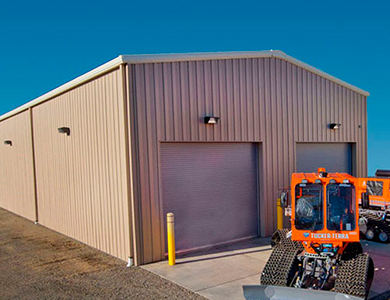
What Are Metal Buildings?
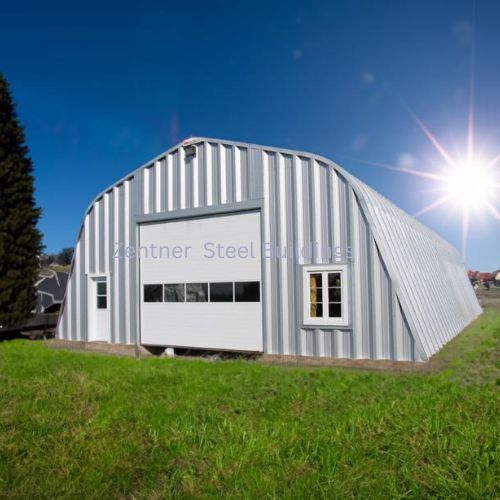
Metal buildings are structures where steel or aluminum is used as the primary building material. They are often prefabricated, meaning the components are manufactured in a factory and then assembled on-site. This prefabrication process allows for quicker construction times and more controlled quality. Metal buildings can range from simple sheds and garages to large warehouses and commercial facilities.
Advantages of Metal Buildings
1. Durability and Longevity
One of the standout features of metal buildings is their durability. Metal is highly resistant to common issues such as rot, termites, and extreme weather conditions. Unlike wood, metal does not warp, crack, or split, which means a metal building can withstand the test of time and remain structurally sound for decades. This makes metal buildings an excellent investment for anyone seeking a long-lasting structure.
2. Low Maintenance
A periodic wash to remove dirt and debris is usually sufficient to keep the structure in good condition. Additionally, metal buildings are often coated with protective finishes that help prevent rust and corrosion, further reducing the need for ongoing maintenance.
3. Cost-Effectiveness
Metal buildings can be more cost-effective than other construction methods. The prefabrication process allows for reduced labor costs and quicker assembly, which translates to lower overall expenses. Additionally, metal buildings often have lower insurance premiums due to their fire-resistant properties, which can lead to additional savings over time.
4. Energy Efficiency
Modern metal buildings can be designed with energy efficiency in mind. Insulation options such as spray foam or fiberglass can be incorporated into the building’s design to improve thermal performance. This helps maintain a consistent indoor temperature and can reduce heating and cooling costs. Many metal buildings also feature reflective coatings that help reduce heat absorption and improve energy efficiency.
5. Versatility and Design Flexibility
Metal buildings offer a high degree of versatility and design flexibility. They can be customized to meet a wide range of architectural styles and functional requirements. Whether you need a spacious warehouse, an elegant office building, or a simple storage shed, metal buildings can be designed to fit your specific needs. The clear-span design of many metal buildings also allows for large, unobstructed interior spaces, making them ideal for various applications.
6. Environmental Benefits
Metal buildings are often considered more environmentally friendly than traditional construction methods. Steel and aluminum are recyclable materials, which means that metal buildings can be repurposed or recycled at the end of their life cycle. Additionally, the energy-efficient design of modern metal buildings helps reduce their environmental impact during their operational life.

Applications of Metal Buildings
1. Commercial and Industrial Use
Metal buildings are commonly used in commercial and industrial settings. They are ideal for warehouses, manufacturing facilities, and retail spaces due to their durability and spacious interiors. The ability to easily expand or modify metal buildings also makes them a practical choice for growing businesses.
2. Agricultural Buildings
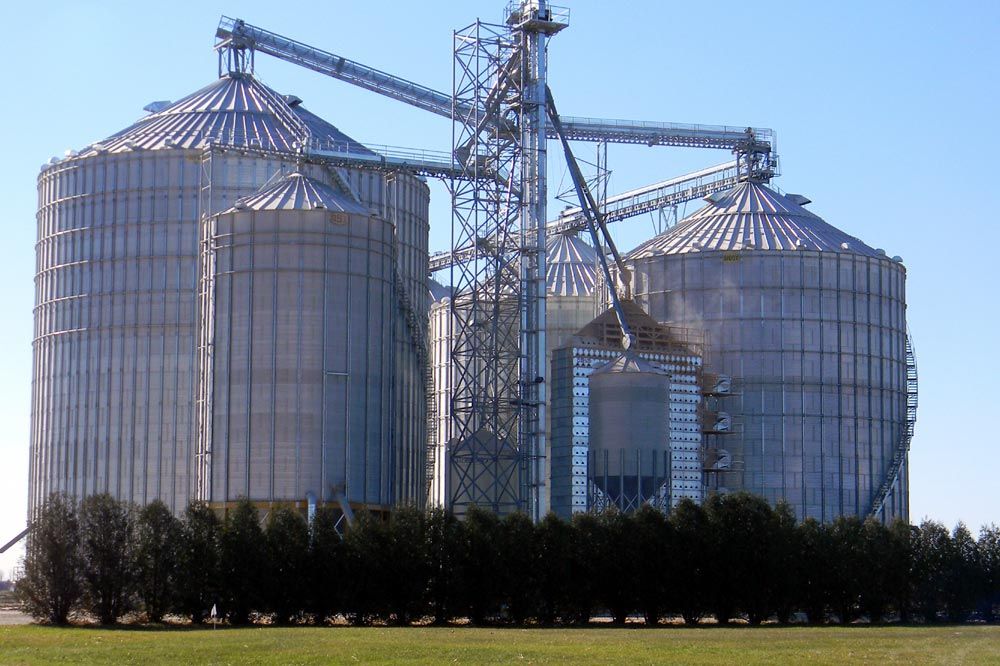
Farmers and agricultural businesses often use metal buildings for equipment storage, livestock shelters, and grain storage. The strength and low maintenance requirements of metal buildings make them well-suited for the demands of agricultural environments.
3. Residential Use
While less common than commercial applications, metal buildings are increasingly being used for residential purposes. Modern metal homes can offer sleek, contemporary designs with the durability and low maintenance of metal construction. Additionally, metal buildings can be used as secondary structures such as garages, workshops, or guest houses.
4. Recreational Facilities
Metal buildings are also popular for recreational facilities such as sports arenas, community centers, and event halls. The clear-span design allows for large, open spaces that can accommodate various activities and events. The durability of metal buildings also ensures that these facilities can handle heavy use and withstand the elements.

Conclusion
Metal buildings are a versatile, cost-effective, and durable solution for various construction needs. They offer advantages such as low maintenance, energy efficiency, and design flexibility, making them an attractive choice for many applications. Whether for commercial, industrial, agricultural, or residential use, metal buildings provide a modern construction approach that meets today’s demands for functionality and efficiency. As you plan your next project, consider the benefits of metal buildings and how they might fit into your vision. With their combination of strength, versatility, and cost-effectiveness, metal buildings are well-equipped to meet the challenges of today’s construction landscape.