

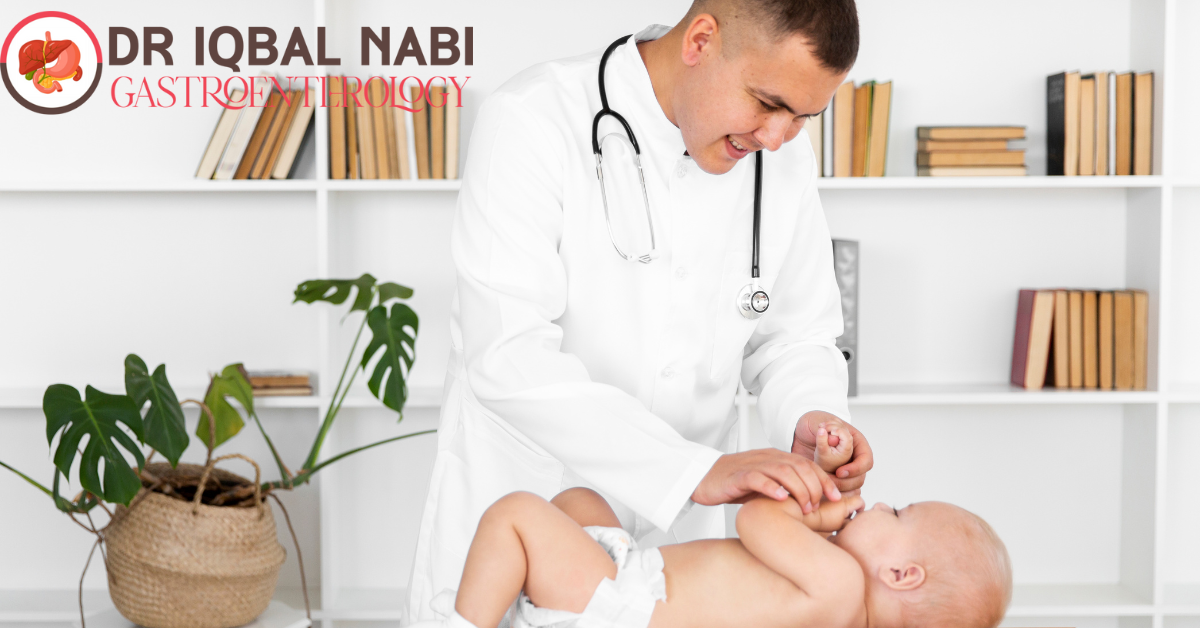
Newborn jaundice is a common condition that affects many infants shortly after birth. It is characterized by a yellowing of the skin and eyes, caused by an excess of bilirubin—a yellow pigment produced during the normal breakdown of red blood cells. While newborn jaundice is usually harmless and resolves on its own, understanding its causes, symptoms, and treatment options is essential for parents.
Causes of Newborn Jaundice
The primary cause of newborn jaundice is the immature liver's inability to efficiently process and eliminate bilirubin from the bloodstream. Several factors can contribute to this condition, including:
1. Physiological Jaundice: This is the most common type, occurring in about 60% of full-term and 80% of preterm infants. It typically appears 2-3 days after birth and resolves within two weeks as the baby's liver matures.
2. Breastfeeding Jaundice: Inadequate intake of breast milk in the first few days can lead to dehydration and decreased bilirubin elimination.
3. Blood Group Incompatibility: When the mother's and baby's blood types are incompatible, it can lead to increased breakdown of red blood cells, raising bilirubin levels.
4. Other Conditions: Infections, enzyme deficiencies, or metabolic disorders can also cause jaundice.
For parents seeking jaundice treatment in Indore, it's important to understand that the condition often arises from the immature liver's inability to efficiently process and eliminate bilirubin from the bloodstream. Several factors can contribute to this condition, including:
Symptoms of Newborn Jaundice
The primary symptom of jaundice is a yellowish tint to the skin and eyes. It usually starts on the face and progresses downward. Other symptoms may include:
- Poor feeding or difficulty waking
- Dark urine (not typical for newborns)
- Pale-colored stools
If jaundice appears within the first 24 hours of life, worsens rapidly, or is accompanied by other symptoms like lethargy or high-pitched crying, it may indicate a more serious condition requiring immediate medical attention.
Treatment Options
Treatment for newborn jaundice depends on the severity and underlying cause. In mild cases, no treatment may be necessary as the condition often resolves on its own. However, more severe cases may require medical intervention, including:
1. Phototherapy: This is the most common treatment, where the baby is placed under special blue lights that help break down bilirubin in the skin.
2. Intravenous Immunoglobulin (IVIg): Used in cases of blood group incompatibility, IVIg can reduce the levels of antibodies attacking the baby's red blood cells.
3. Exchange Transfusion: In extreme cases, a blood transfusion may be needed to replace the baby's blood with fresh blood, removing excess bilirubin.
For parents in Indore, it's crucial to seek advice from the best gastroenterologist in Indore for proper diagnosis and treatment. Early detection and management can prevent complications and ensure the health and well-being of your newborn.