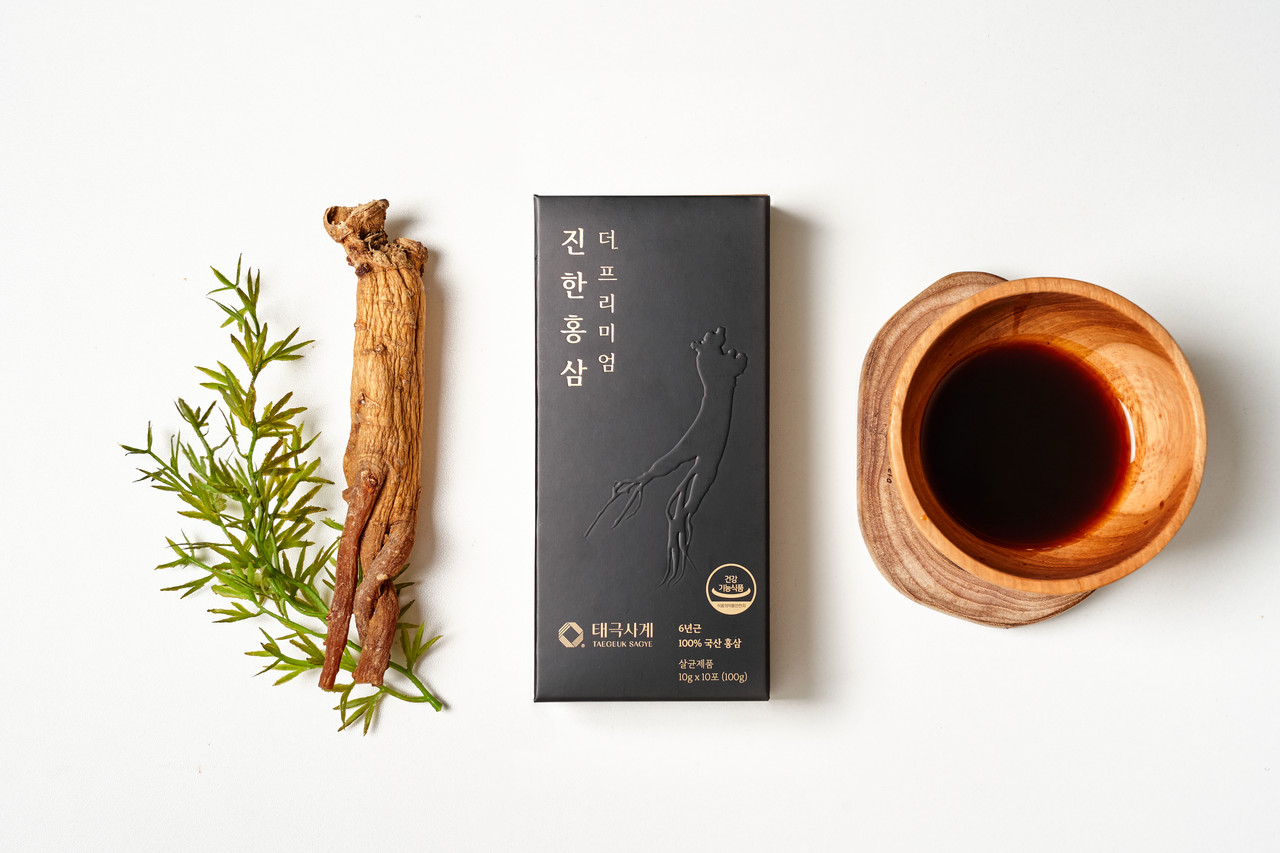
Ginseng is one of the most revered herbs in traditional medicine, known for its potential health benefits and adaptogenic properties. Often referred to as the "king of herbs," ginseng has been used for centuries in various cultures, particularly in East Asia, for its purported ability to boost energy, improve cognitive function, and enhance overall well-being. Ginseng comes in several forms, each with unique characteristics, preparation methods, and uses. This article delves into the different types of ginseng and the various forms in which this potent herb is available.
Types of Ginseng
Before exploring the forms in which ginseng is available, it's essential to understand the different types of ginseng commonly used in herbal medicine:
- Panax Ginseng (Asian Ginseng): Native to Korea, China, and Siberia, Panax ginseng is the most widely recognized type. It includes both red and white ginseng, which differ in their preparation methods.
- Panax Quinquefolius (American Ginseng): Found in North America, American ginseng is considered less stimulating than Asian ginseng and is often used for its calming and cooling properties.
- Panax Notoginseng: This variety, also known as Tienchi ginseng, is mainly used in traditional Chinese medicine to improve blood circulation and reduce bleeding.
- Eleutherococcus Senticosus (Siberian Ginseng): Despite its name, Siberian ginseng is not a true ginseng. It belongs to a different botanical family but is often used for its adaptogenic properties similar to those of true ginseng.
- Panax Japonicus (Japanese Ginseng): Found in Japan, this type is less commonly used but is still valued for its medicinal properties.
Forms of Ginseng
Ginseng is available in various forms, catering to different preferences and uses. The following are some of the most common forms in which ginseng is consumed:
1. Fresh Ginseng Root
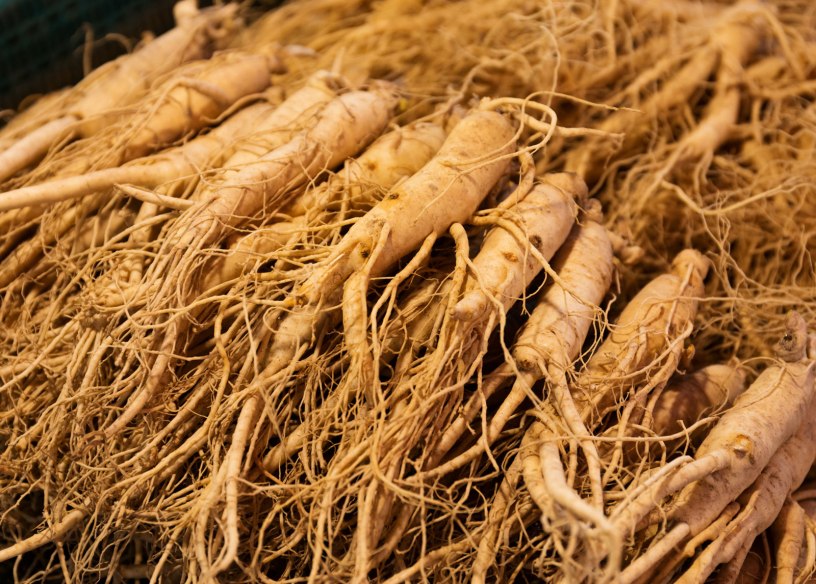
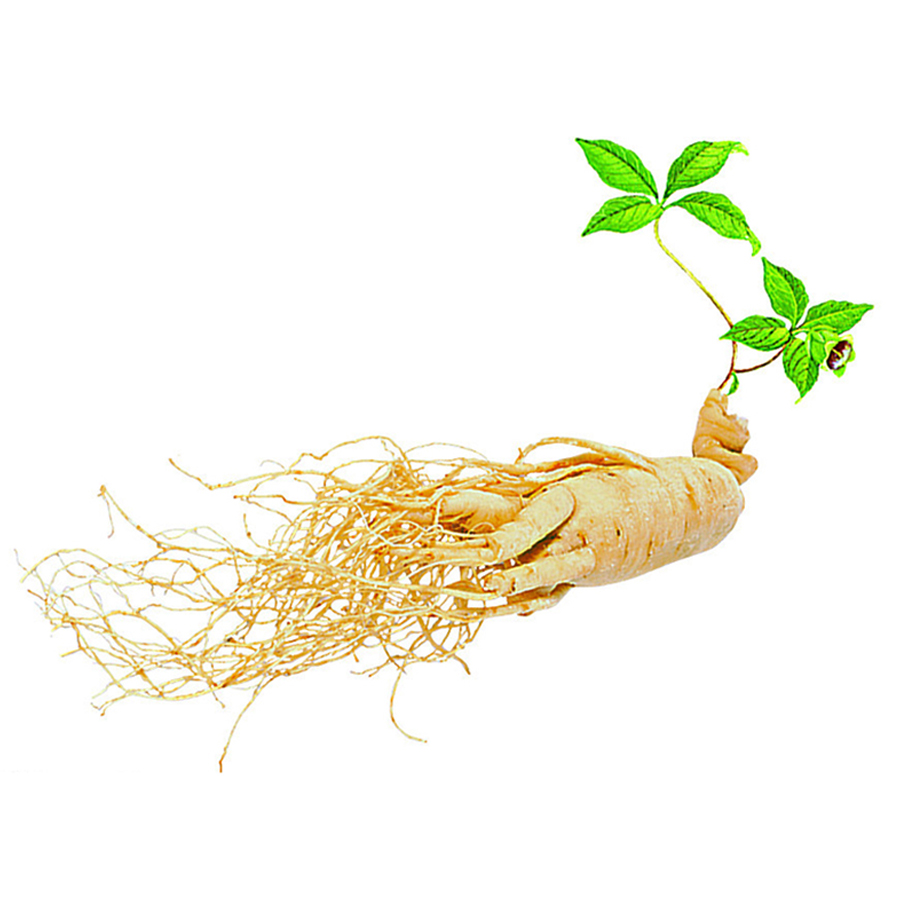
Fresh ginseng root is the most natural form of the herb. It is harvested and sold without any processing, preserving its full range of nutrients and active compounds. Fresh ginseng is often used in cooking, teas, or even eaten raw. It is considered to have a mild, slightly bitter taste and a crunchy texture.
Uses:
- Can be sliced and added to soups and stews.
- Often steeped in hot water to make a tea.
- Sometimes chewed raw for quick consumption.
Pros:
- Contains the full spectrum of ginsenosides and nutrients.
- Versatile in culinary uses.
Cons:
- Limited shelf life compared to processed forms.
- Less convenient for those who prefer a quick and easy consumption method.
2. Dried Ginseng Root
Dried ginseng root, also known as white ginseng, is fresh ginseng that has been air-dried. This process helps extend the root's shelf life and concentrates its active compounds. Dried ginseng can be ground into a powder, sliced, or kept whole, depending on its intended use.
Uses:
- Commonly used in herbal teas and decoctions.
- Can be ground into a powder for use in capsules or supplements.
Pros:
- Longer shelf life than fresh ginseng.
- Retains most of the active compounds.
Cons:
- Requires soaking or boiling for consumption, which may be inconvenient for some.
3. Red Ginseng
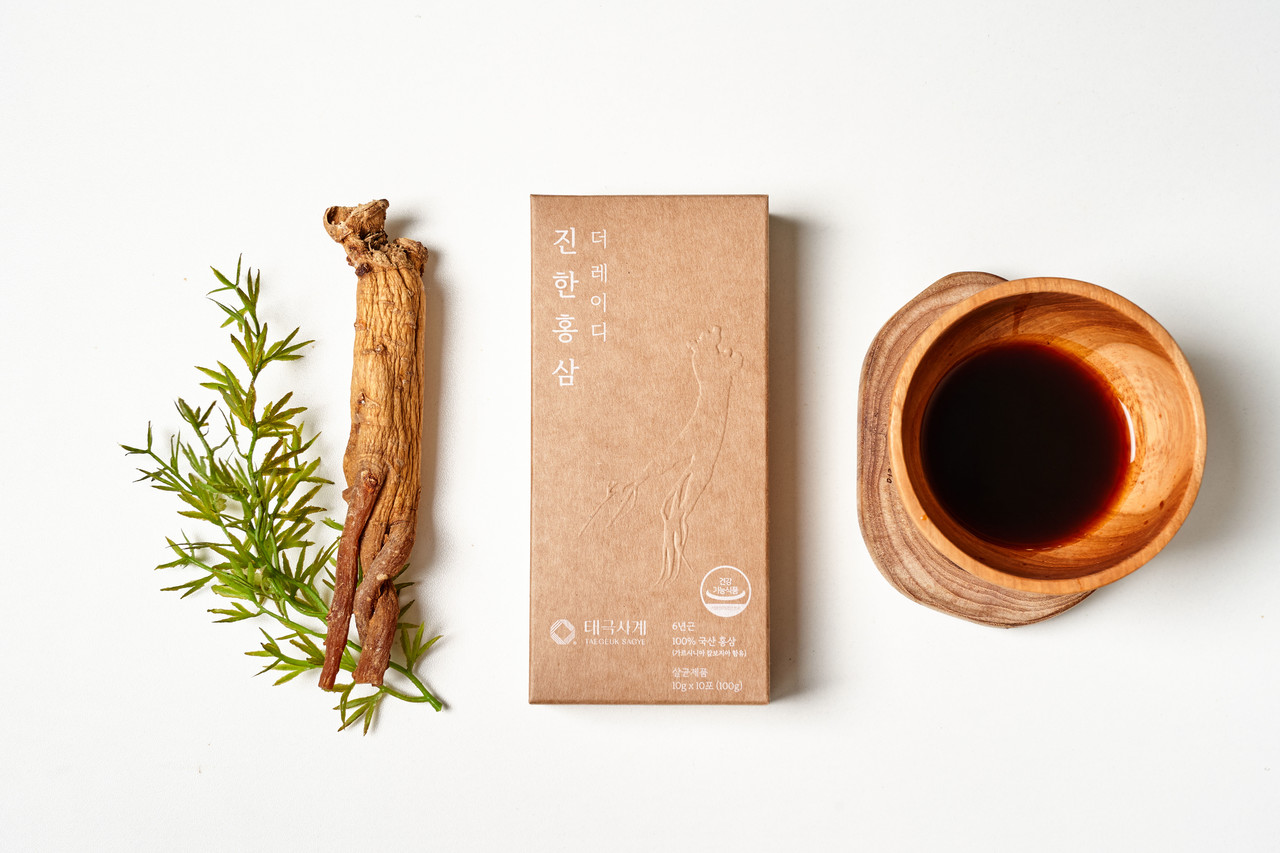
Red ginseng undergoes a steaming and drying process, giving it a reddish-brown color and altering its chemical composition. This process increases the concentration of certain ginsenosides, making red ginseng more potent. It is considered to have a stronger, more warming effect on the body compared to white ginseng.
Uses:
- Often used in traditional medicine for its invigorating properties.
- Can be consumed as tea, in capsules, or as an extract.
Pros:
- Higher concentration of active compounds.
- Extended shelf life.
Cons:
- More expensive due to the additional processing.
- Stronger taste, which may not appeal to everyone.
4. Ginseng Extract
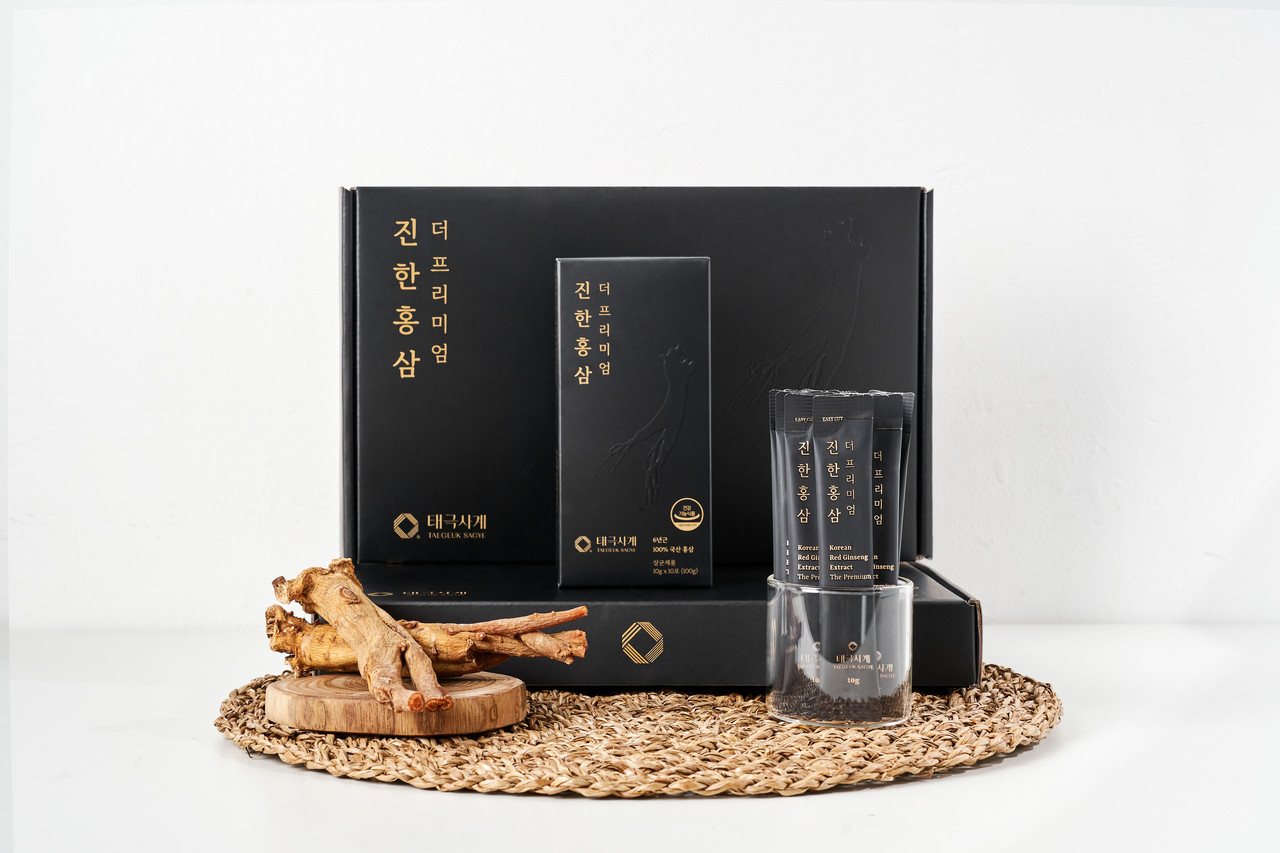
Ginseng extract is a concentrated form of ginseng, obtained by extracting the active compounds from the root. The extract can come in liquid, soft gel, or capsule form. It is one of the most convenient ways to consume ginseng, as it provides a standardized dose of the active ingredients.
Uses:
- Commonly used in dietary supplements.
- Can be added to beverages or taken directly.
Pros:
- Easy to consume and measure dosage.
- Often standardized for consistency in active compounds.
Cons:
- May contain additional ingredients or preservatives.
- Can be expensive.
5. Ginseng Powder
Ginseng powder is made by grinding dried ginseng root into a fine powder. It can be used in a variety of ways, from mixing into smoothies to being encapsulated as a supplement. Ginseng powder is versatile and allows for precise dosage control.
Uses:
- Can be added to food and drinks.
- Used in capsules and tablets.
Pros:
- Versatile in its uses.
- Easy to measure and adjust dosage.
Cons:
- Can have a bitter taste.
- May lose potency over time if not stored properly.
6. Ginseng Tea
Ginseng tea is a popular way to enjoy the herb's benefits. It can be made by steeping fresh, dried, or powdered ginseng in hot water. Pre-packaged ginseng tea bags and instant ginseng tea powders are also available for convenience.
Uses:
- Consumed as a beverage.
- Often combined with other herbs for additional benefits.
Pros:
- Easy and pleasant way to consume ginseng.
- Can be enjoyed hot or cold.
Cons:
- The potency may vary depending on the preparation method.
- Some instant teas may contain added sugars or artificial flavors.
7. Ginseng Capsules and Tablets
Capsules and tablets are among the most convenient and popular forms of ginseng supplements. They contain ginseng extract or powder and provide a standardized dosage, making it easy to incorporate into a daily routine.
Uses:
- Taken as a dietary supplement.
- Often used for specific health concerns, such as boosting energy or enhancing immunity.
Pros:
- Convenient and easy to use.
- Standardized dosage ensures consistency.
Cons:
- May contain fillers or additives.
- Can be expensive, especially for high-quality products.
8. Ginseng Candy and Chews
Ginseng candy and chews are a tasty and convenient way to enjoy the benefits of ginseng. They are often combined with honey or other flavors to mask the herb's natural bitterness. While they may not provide a high dose of ginseng, they can be a pleasant way to consume small amounts throughout the day.
Uses:
- Consumed as a snack or treat.
- Can be used for a quick energy boost.
Pros:
- Tasty and easy to consume.
- Portable and convenient.
Cons:
- Often contains added sugars and artificial flavors.
- Lower concentration of active compounds compared to other forms.
9. Ginseng Tinctures
Ginseng tinctures are liquid extracts made by soaking ginseng root in alcohol or another solvent. They are a potent form of ginseng, and a few drops can provide a substantial dose of the herb's active compounds.
Uses:
- Taken orally, usually diluted in water or another beverage.
- Can be added to herbal mixtures or used topically.
Pros:
- Highly concentrated and fast-acting.
- Easy to adjust dosage.
Cons:
- Strong taste and alcohol content may not be suitable for everyone.
- Can be expensive.
Choosing the Right Form of Ginseng
Selecting the right form of ginseng depends on various factors, including personal preferences, intended use, and specific health goals. For example, those looking for a convenient and standardized dosage might prefer capsules or tablets, while those interested in traditional preparations may opt for fresh or dried root. It's also essential to consider the quality and purity of the ginseng product, as these can vary significantly between brands and suppliers.
Conclusion
Ginseng is a versatile and potent herb available in numerous forms, each offering unique benefits and applications. From fresh root to concentrated extracts, ginseng can be incorporated into one's diet and wellness routine in various ways. Whether you're seeking a quick energy boost, improved cognitive function, or enhanced overall well-being, there's likely a form of ginseng that suits your needs. As with any supplement, it's essential to consult a healthcare professional before starting a ginseng regimen, especially if you have underlying health conditions or are taking other medications.