The Boom of Fast Fashion
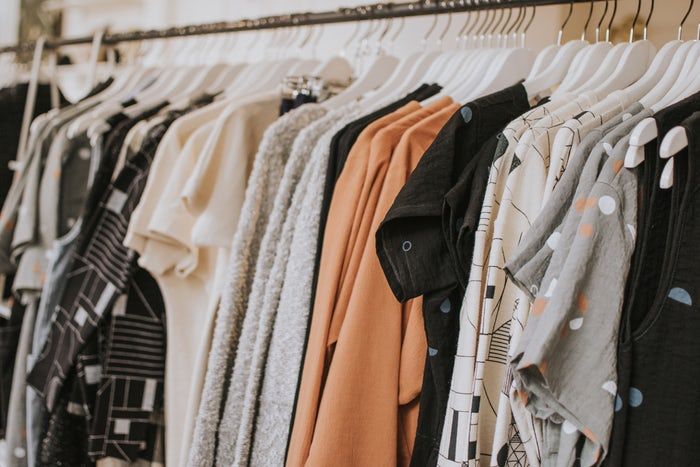
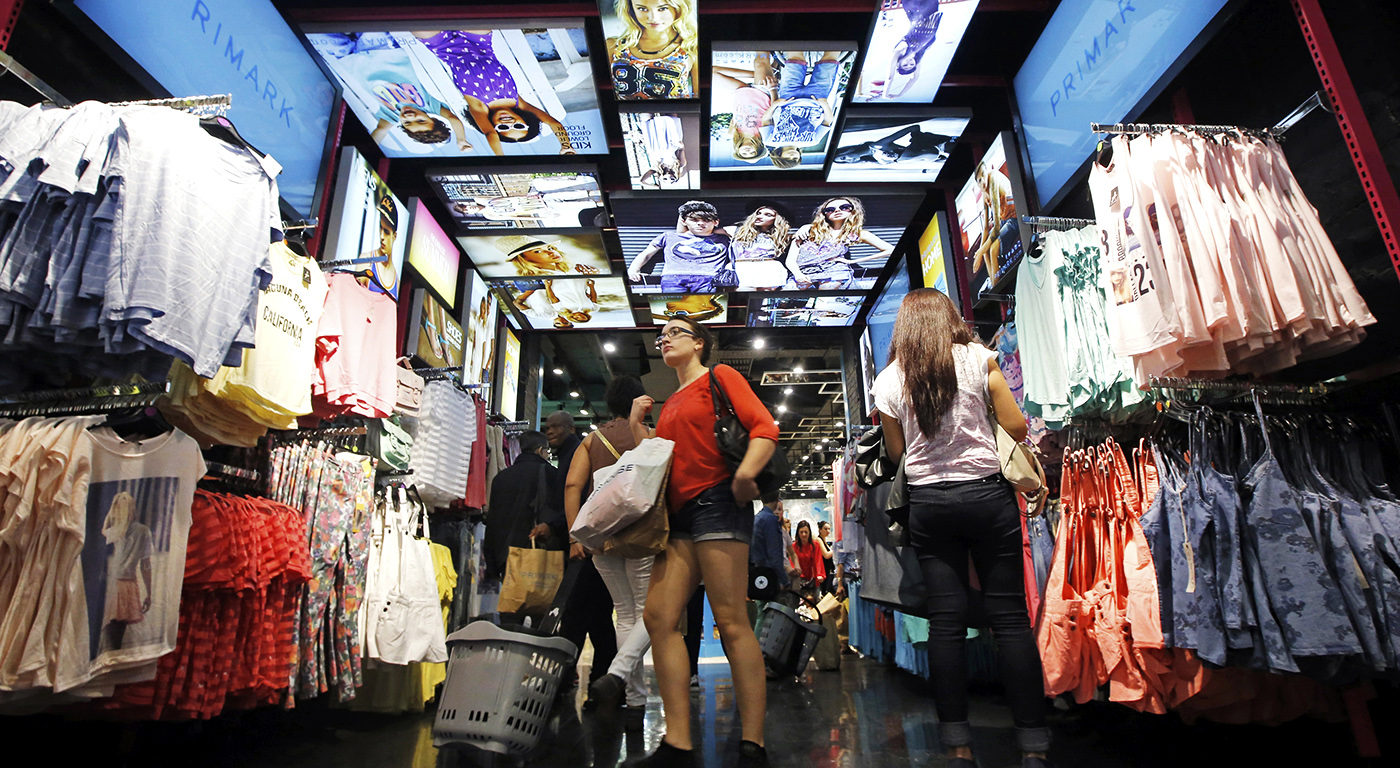
Over the past few decades, a new trend in the fashion industry has taken the world by storm - fast fashion. Fast fashion refers to inexpensive clothing collections that move from design to production in just a few weeks to satisfy constantly changing trends. Major Fast Fashion retailers like Zara, H&M, and Forever 21 pump out new clothing lines every few weeks, allowing consumers to continually refresh their wardrobes with the latest looks at low prices. This business model has been hugely successful, with it now accounting for over 20% of the global fashion market.
The Environmental Impact is Growing
While it has dominated retail and satisfied demand for constant newness, it comes at a steep environmental cost. The accelerated production cycles mean clothing is designed to be worn only a few times before being discarded. Fast fashion brands now produce over 80 billion garments per year globally. This flood of clothing is straining the planet's resources. It takes over 7,000 liters of water just to produce one t-shirt, while cotton farming uses vast amounts of pesticides and fertilizers. Once clothes are discarded, most end up in landfills where they release greenhouse gases as they decompose over centuries. Less than 1% of material used to produce clothing is recycled into new fibers, contributing to the high usage of virgin materials. The chemicals and dyes used in manufacturing also pollute waterways
Mounting Pressure to Change
As the true environmental toll of fast fashion has come to light, public pressure on brands is mounting to transform their business models. Consumers, especially younger generations, are increasingly demanding clothes be produced sustainably. Some major retailers have started programs to use more sustainable fabrics like organic cotton and work with fabric waste recycling technology firms. However, these initiatives still only touch the surface given the scale of production. Fundamental changes across supply chain practices and product design will be needed. Open communication around sustainability goals and progress will also be key to maintaining consumer trust as the industry navigates this change.
The Future of Fashion
Looking ahead, the future of fashion likely lies in a marriage of fast service with sustainable practices. Circular business models that design clothing for disassembly, reuse of materials, and recyclability can diminish waste. Brands partnering with logistics firms on take-back of old clothes for repair or recycling collection could boost recycling rates. Technology may support real-time tracking of materials to their end fate. And consumers may embrace new rental and resale options as a sustainable alternative to throwaway trends. While the path is challenging, success in this transformation will be key for the fashion industry to sustain its central place in the global economy for years to come without further straining precious planetary resources.
Get More Insights On Fast Fashion
About Author:
Ravina Pandya, Content Writer, has a strong foothold in the market research industry. She specializes in writing well-researched articles from different industries, including food and beverages, information and technology, healthcare, chemical and materials, etc. (https://www.linkedin.com/in/ravina-pandya-1a3984191)