Italian Marble for Flooring: A Timeless Choice for Indian Interiors
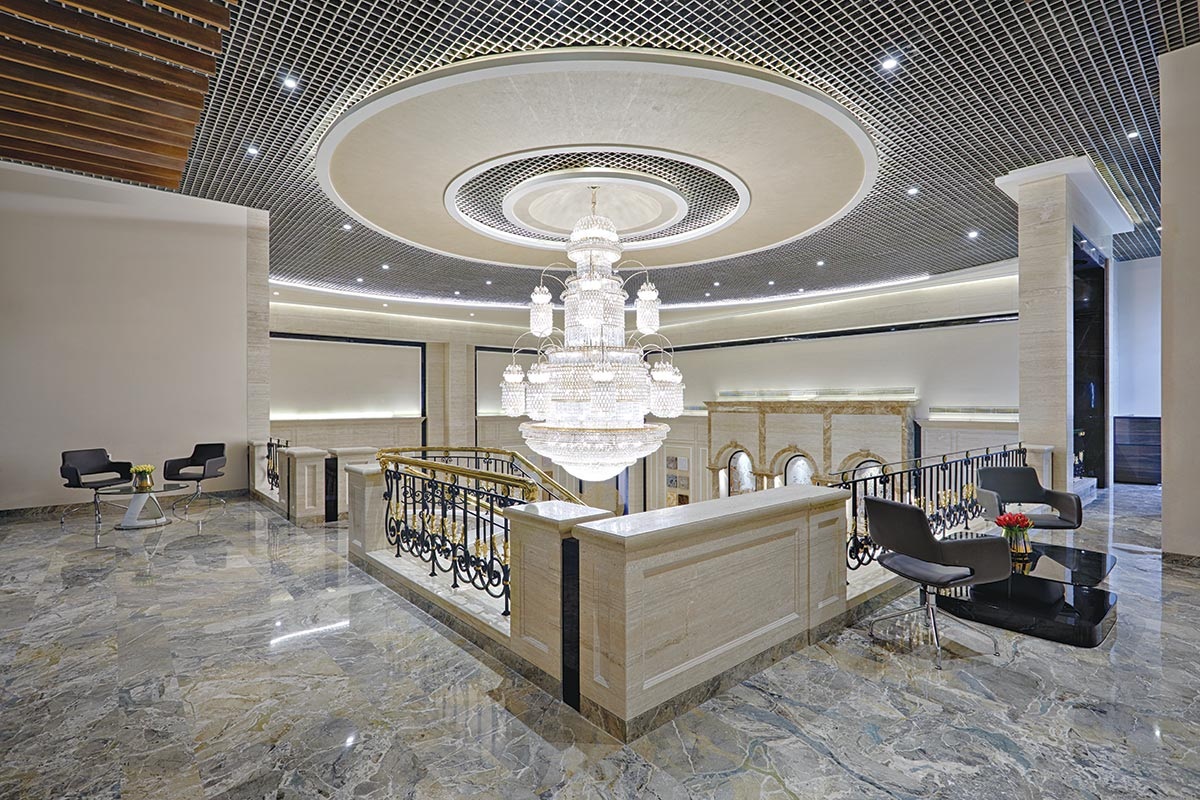
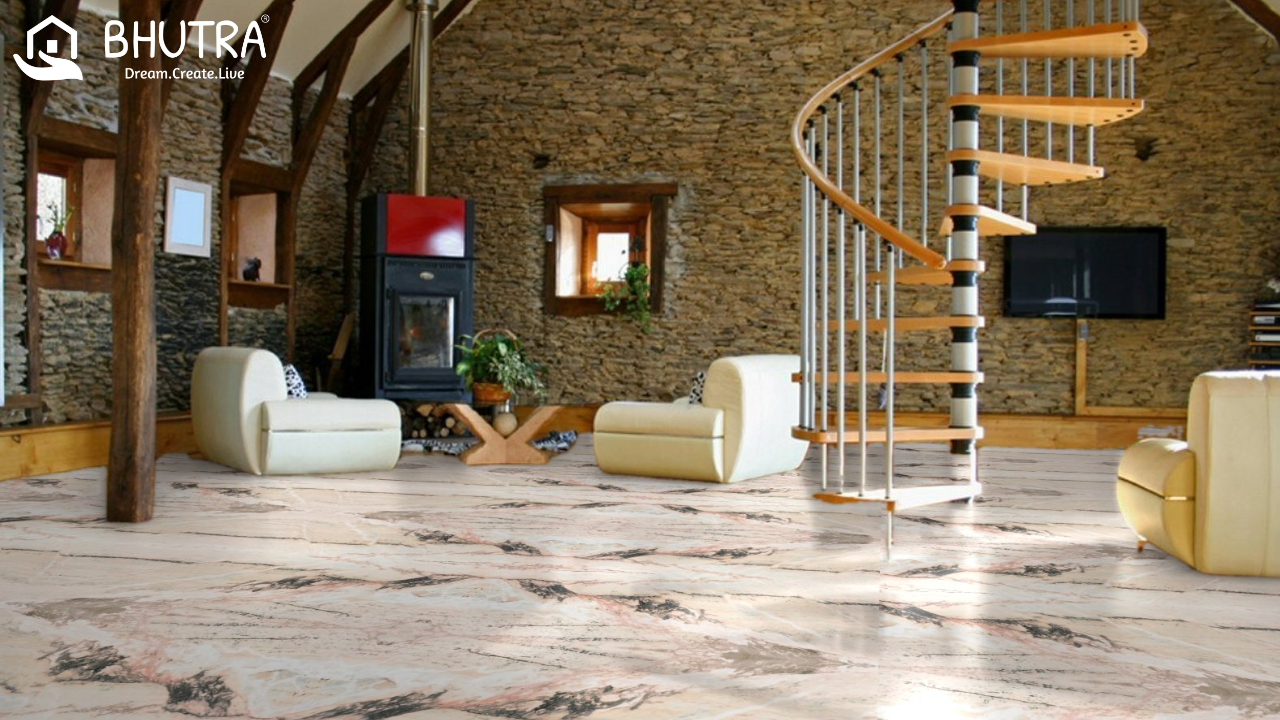
Italian marble has long been revered for its timeless beauty and elegance, making it the material of choice for architects and designers worldwide. In the context of Indian interiors, where aesthetics blend with tradition and modernity, Italian marble stands out as a supreme choice for flooring. Its smooth, polished finish and unique veining patterns add a touch of opulence to any space. Whether you are designing luxurious residential interiors or sophisticated commercial environments, Italian marble offers unmatched versatility that adapts to contemporary and classic designs alike.
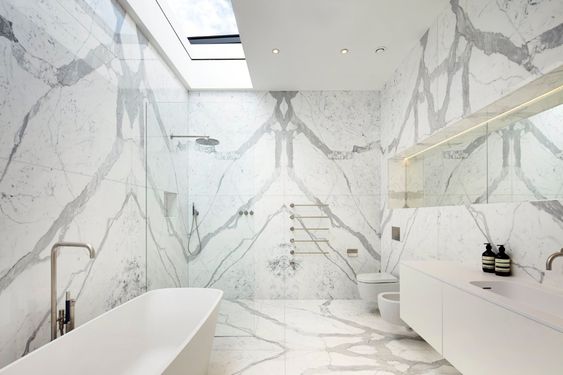
The aesthetic appeal of Italian marble for flooring lies in its natural beauty and variety. From the lustrous Carrara and the dramatic Statuario to the rich Calacatta and the exotic Botticino, each variant brings a distinct character to the space. The light-reflecting properties of Italian marble enhance the visual spaciousness of the interiors, creating a luminous and inviting ambiance.
Functionality is another critical aspect where Italian marble excels. It is highly durable and resistant to wear, making it ideal for high-traffic areas. With proper maintenance, this natural stone retains its pristine appearance for decades. Additionally, Italian marble is pragmatic in the Indian climate, as its cool surface offers a refreshing contrast to the tropical heat, thereby enhancing the comfort of the interiors.
Italian Marble Price in India: An Investment in Luxury
When it comes to the price of Italian marble in India, it is undoubtedly more expensive than local stone options. However, the cost reflects the premium quality and the prestige associated with this luxury material. The pricing of Italian marble can vary significantly depending on the type, quality, rarity, and source.
While Carrara marble, known for its subtle elegance, might be on the more affordable end of the spectrum, more exclusive varieties like Statuario Marble, Michelangelo Marble, Dover White Marble or Calacatta command higher prices due to their intricate veining and limited availability. Prices can range from ₹400 per square foot to upwards of ₹3000 per square foot, excluding installation charges.
Investing in Italian marble is not just about the initial cost but about the long-term value it adds to the property. The luxurious appeal, combined with durability and minimal maintenance requirements, makes it a cost-effective choice in the long run. Additionally, Italian marble can significantly elevate the property's market value, offering substantial returns on investment.
Italian Marble vs. Indian Marble: A Comparative Analysis for Architects
In choosing the best material for Indian interiors, architects often find themselves comparing Italian marble with Indian marble. Both have their merits; however, they cater to different design aspirations and functional requirements.
Italian marble is renowned for its high aesthetic value. It exhibits a fine, crystalline structure that reflects light beautifully, offering a glossy finish that exudes elegance and sophistication. The range of patterns and colors available in Italian marble surpasses those found in Indian marble, making it a go-to material for creating statement pieces in luxury interiors.
Indian marble, on the other hand, while not as diverse in aesthetic, is known for its strength and affordability. Some popular variants include Makrana, Ambaji, and Bidasar, which offer a more traditional look that syncs well with heritage and classical themes. Indian marble is also easier to source and readily available at competitive prices, making it a practical choice for large-scale projects.
Durability is another point of comparison. Although Italian marble is highly durable, its maintenance requires more diligence, particularly to prevent scratches and stains. Indian marble tends to be denser and less porous, making it more resistant to wear and tear, and easier to maintain.
The preference between Italian and Indian marble ultimately boils down to the project's vision, budget, and functional needs. Both have their unique strengths, and understanding these differences can guide architects in making informed decisions that align with their design objectives.
The Timeless Elegance of Italian Marble in Indian Interiors
Beyond flooring, Italian marble can be elegantly incorporated into various elements of interior design. Its applications span countertops, wall claddings, staircases, and even art installations. Each use accentuates the luxurious vibe of the interiors and harmonizes with other materials to create a cohesive design language.
In residential spaces, using Italian marble for kitchen countertops or bathroom vanity tops adds a touch of sophistication and practicality. Its smooth, non-porous surface is not only visually striking but also hygienic and easy to clean. For living areas and bedrooms, marble-clad feature walls or fireplaces serve as stunning focal points that draw attention and spark conversation.
In commercial settings, Italian marble finds its place in lobby flooring, reception desks, and conference tables, where its grandeur enhances the corporate image and provides a welcoming atmosphere for clients and visitors. The natural variations in the marble ensure that no two installations are alike, offering a unique identity to each interior space.
Choosing the Right Italian Marble for Your Project
Selecting the appropriate Italian marble requires careful consideration of various factors, including aesthetics, functionality, and budget. Collaborating with reputable suppliers and experts who understand the stone's characteristics can significantly streamline the selection process.
The type of finish applied to the marble, such as polished, honed, or brushed, also influences its appearance and performance. Polished marble offers a high gloss finish that enhances its reflective qualities, whereas honed marble provides a matte finish that is less prone to scratches. Brushed finishes create a textured surface that adds depth and character to the material.
Understanding the technical specifications, such as hardness, porosity, and resistance to elements, is crucial in ensuring that the selected marble aligns with the intended use. For instance, high-traffic areas might benefit from more durable varieties, while less used spaces can afford to incorporate more delicate and intricate patterns.
Maintenance Tips for Italian Marble
To preserve the beauty and longevity of Italian marble in interior applications, regular maintenance practices are essential. Here are some tips for maintaining Italian marble:
- Clean spills immediately to prevent staining. Use a soft cloth and a pH-neutral cleaner to wipe the surface.
- Avoid using acidic or abrasive cleaning agents that can damage the marble's surface.
- Seal the marble periodically to protect it from moisture and stains.
- Use rugs or mats in high-traffic areas to minimize wear and tear.
- Prevent scratches by using felt pads under furniture and avoiding dragging heavy objects across the floor.
With the right care and maintenance, Italian marble can continue to grace Indian interiors with its timeless charm and elegance, making it a worthy investment for architects and homeowners alike.
Conclusion: Making Italian Marble a Key Element in Indian Interior Design
Italian marble, with its unparalleled beauty and luxury, offers a sublime material choice for Indian interiors. Architects seeking to create spaces that resonate with elegance and sophistication will find this stone an invaluable asset. Its versatility in design, combined with a rich heritage of craftsmanship, makes Italian marble the best choice for flooring and beyond.
The investment in Italian marble extends beyond mere cost—it's an investment in quality, durability, and timeless appeal. By understanding the nuances of Italian marble versus Indian marble, and how to integrate and maintain it effectively, architects can craft interior spaces that stand the test of time and leave a lasting impression.
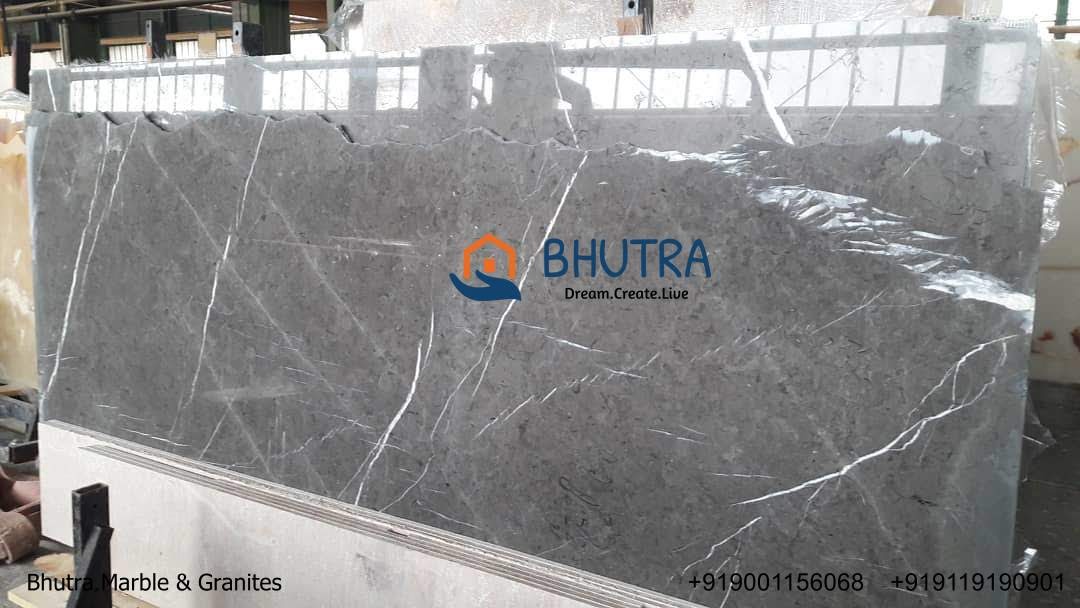
Italian Marble https://www.bhutrastones.com/https://www.bhutrastones.com/#italian-marblesItalian marble is known as the best marble stone by its purity, durability, and beautiful color.
The fact that many buildings, sculptures of art made centuries ago out of Carrara marble still exist today is considered a testament to its longevity.
We deal in Italian marble includes slabs, tiles, floor designs, marble flooring, marble images, India, marble prices, marble statues, marble suppliers, marble stones etc.