Introduction
In Singapore, ensuring food safety is crucial for businesses in the food industry. Hazard Analysis and Critical Control Points (HACCP) certification is a globally recognized standard that helps companies manage food safety risks and improve product quality. This article explores the importance of HACCP certification in Singapore, its key components, and the benefits it offers to businesses.
What is HACCP Certification?
HACCP stands for Hazard Analysis and Critical Control Points. It is a systematic approach to identifying and managing food safety hazards throughout the production process. The HACCP certification process involves assessing potential risks, establishing critical control points, and implementing monitoring procedures to ensure food safety.
The HACCP Process
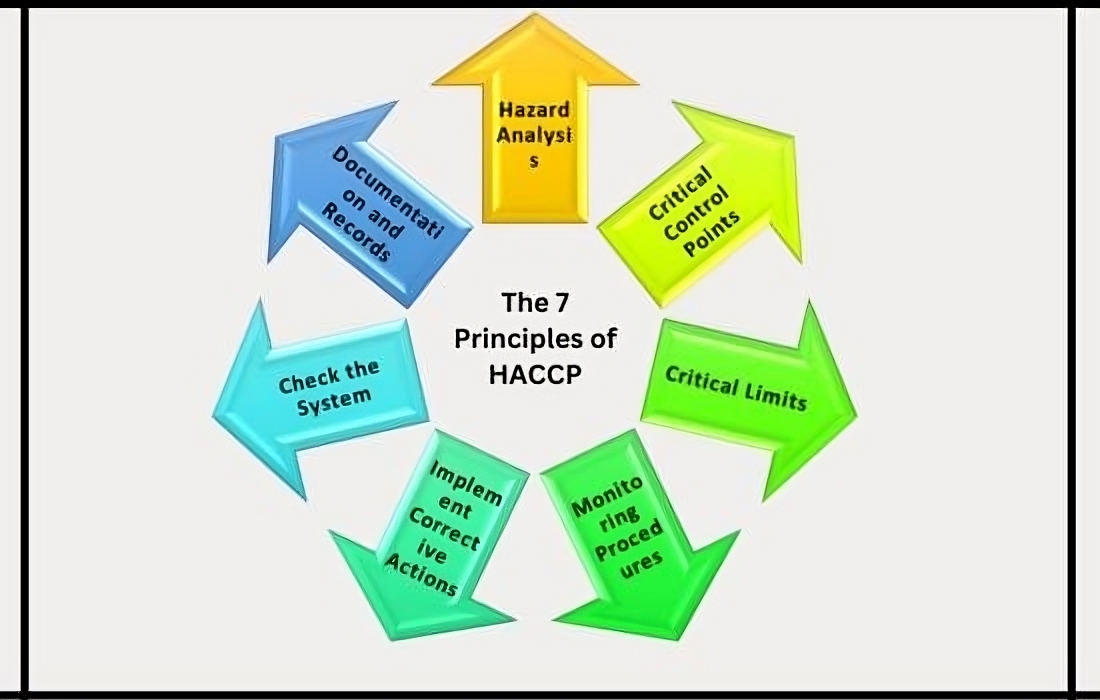
- Hazard Analysis: The first step involves identifying potential hazards that could affect food safety, including biological, chemical, and physical risks.
- Critical Control Points (CCPs): These are points in the food production process where control is essential to prevent or eliminate food safety hazards. CCPs might include cooking temperatures, sanitation practices, or packaging processes.
- Critical Limits: Establishing specific limits for each CCP, such as minimum cooking temperatures or maximum allowable levels of contaminants, is crucial for ensuring safety.
- Monitoring Procedures: Regular monitoring of CCPs ensures that critical limits are consistently met. This might involve routine checks and documentation.
- Corrective Actions: When a deviation from critical limits occurs, corrective actions must be taken to address the issue and prevent recurrence.
- Verification: Periodic verification ensures that the HACCP system is functioning effectively. This includes audits, inspections, and testing.
- Record-Keeping: Maintaining accurate records of all HACCP-related activities is essential for tracking performance and demonstrating compliance.
Benefits of HACCP Certification in Singapore
- Enhanced Food Safety: HACCP certification helps businesses identify and mitigate risks, reducing the likelihood of foodborne illnesses and contamination.
- Regulatory Compliance: In Singapore, HACCP certification is often a requirement for food businesses to meet local food safety regulations and standards.
- Consumer Trust: Certification demonstrates a commitment to food safety, boosting consumer confidence and enhancing brand reputation.
- Operational Efficiency: Implementing HACCP principles can streamline operations, improve product consistency, and reduce waste.
- Market Access: HACCP certification opens doors to international markets, as it is recognized and valued globally.
Conclusion
For food businesses in Singapore, haccp singapore is not just a regulatory requirement but a vital component of a comprehensive food safety strategy. By adopting HACCP principles, companies can ensure the safety and quality of their products, protect consumer health, and strengthen their position in the competitive food industry.