The Advent of Immune Repertoire Sequencing
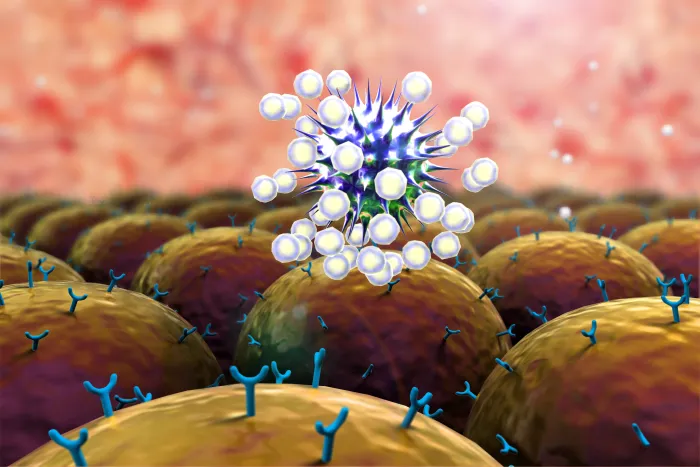
Our immune system plays a crucial role in defending us against pathogens and diseases. Central to the immune response are B cells and T cells - white blood cells that recognize and respond to threats. Both B cells and T cells have unique receptors on their surface that allow them to identify specific antigens or molecules. While there are billions of possible receptor sequences, only a fraction are actually present in any given individual. This collection of ALL the possible antigen receptor sequences an individual can produce is known as their immune repertoire.
Traditionally, studying the immune repertoire involved lab techniques like PCR amplification and Sanger sequencing of individual receptor sequences. However, these methods only provided a limited view and were labor intensive. The advent of next-generation sequencing (NGS) technologies revolutionized immune repertoire analysis by allowing high-throughput sequencing of hundreds of thousands of receptor sequences simultaneously from a single blood or tissue sample. This new field of immune repertoire sequencing (IRS) gives researchers an unprecedented detailed view into the diversity, complexity and dynamics of the adaptive immune system.
New Insights into Health and Disease
Immune Response Sequencing is providing novel insights across diverse areas of immunology and biomedical research. For example, it has helped elucidate how the immune repertoire develops and changes over time in healthy individuals versus patients with various diseases and disorders. Studying changes in B and T cell receptor diversity before and after infections or treatments is giving clues about disease pathogenesis, progression and response to therapies.
One active area of research using IRS is monitoring immune reconstitution after bone marrow transplantation. By tracking how the repertoire recovers diversity and comprises new receptor sequences over time, IRS helps evaluate if sufficient immunity has developed post-transplant and assess risk of infection or graft-versus-host disease. IRS is also being applied to autoimmune diseases like rheumatoid arthritis and lupus to uncover how self-reactivity arises in disease and to identify disease-associated immunoglobulin rearrangements as potential biomarkers.
Cancer immunotherapy represents another field that is strongly impacted by IRS. Researchers are applying it to investigate why some patients respond better than others to checkpoint inhibitor drugs that unleash anti-tumor immune responses. Through pre- and post-treatment IRS analysis, they aim to define repertoire features linked to clinical outcomes. IRS may also assist in tracking minimal residual disease and predicting relapse in patients who achieve remission. Overall, IRS provides an unparalleled view into the inner workings of the adaptive immune system in health and disease, advancing our mechanistic understanding.
Technological Advances Enabling Wider Applications
While IRS first emerged over a decade ago, its application was limited by technical challenges and high costs associated with NGS. However, rapid advancement of sequencing technologies have now made IRS much more accessible. Key developments include improved library preparation methods for amplifying B/T cell receptors with higher fidelity, longer read lengths from third-generation sequencing, and decreased costs per sample resulting from increased throughput.
Additionally, bioinformatics algorithms for immune repertoire analysis have greatly matured. Advanced pipelines now comprehensively process NGS data, delineate clonal lineages, quantify diversity metrics, identify expanded clones and motifs, and reconstruct ontogenies to trace repertoire development over time. User-friendly analysis platforms have also democratized IRS, allowing researchers without extensive computational skills to leverage these powerful techniques. Other innovations like single-cell sequencing now even enable profiling individual antibody-secreting cells, providing novel perspectives on the microbiome-immune interface and vaccine development.
Such enabling technologies are positioning IRS for widespread clinical translation and routine applications. Integration of IRS into clinical trials and large epidemiological cohorts will help uncover prognostic immune signatures, stratify patients and advance precision medicine approaches. Commercial multiplexing kits now even make IRS accessible for clinical labs and biotech companies. As costs further decrease and analytical power increases, IRS promises to transform how we monitor health, detect early disease, develop vaccines and track immune-mediated therapies in both research and medical practice.
By leveraging the power of modern NGS and advanced bioinformatics, immune repertoire sequencing has revolutionized immunological research over the past decade. It has provided deep mechanistic insights into both basic and clinical immunology, far surpassing what was possible with older technologies. Continued technological progress now positions IRS for even broader translations and clinical impact. Through further multi-disciplinary collaborations integrating immunology, genomics and big data analytics, IRS is sure to uncover many more insights that advance human health and our understanding of the remarkable yet enigmatic immune system.
About Author:
Ravina Pandya, Content Writer, has a strong foothold in the market research industry. She specializes in writing well-researched articles from different industries, including food and beverages, information and technology, healthcare, chemical and materials, etc. (https://www.linkedin.com/in/ravina-pandya-1a3984191)