

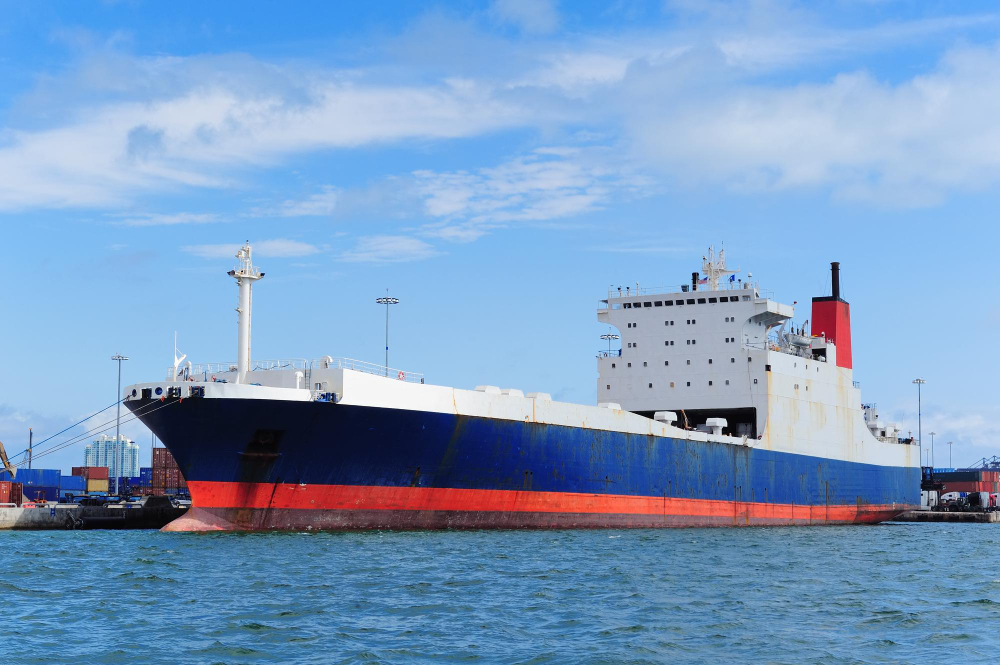
Integrating renewable energy solutions into marine systems represents a significant leap towards sustainability and efficiency in the maritime industry. With growing environmental concerns and advancements in technology, incorporating renewable energy sources like solar, wind, and fuel cells can transform marine operations.
Here’s a concise guide on how to effectively integrate these solutions using marine automation parts.
1. Assess Your Energy Needs and Resources
The first step is to evaluate your vessel’s energy requirements and available renewable resources. Conduct a comprehensive energy audit to understand the current consumption patterns and identify potential for renewable energy integration. This assessment will help you determine the type and scale of renewable solutions that best fit your vessel.
2. Select Appropriate Renewable Technologies
Choose renewable energy technologies that align with your vessel’s needs. Common options include:
- Solar Panels: Ideal for harnessing sunlight, solar panels can be installed on available deck space or rooftops. They provide a steady supply of electricity for auxiliary systems and reduce reliance on conventional power sources.
- Wind Turbines: Wind turbines can be mounted on the vessel to capture wind energy. They are particularly useful in high-wind areas and can complement solar power by generating electricity during adverse weather conditions.
- Fuel Cells: Hydrogen fuel cells offer a clean energy source with high efficiency and low emissions. They can serve as a primary or backup power source for marine systems, contributing to reduced environmental impact.
3. Integrate Renewable Energy with Marine Automation Systems
Marine automation systems play a crucial role in efficiently managing and utilizing renewable energy. Here’s how to integrate them effectively:
- Energy Management Systems (EMS): Deploy an EMS to monitor and control the distribution of power from renewable sources. The EMS can automatically switch between renewable and conventional power, optimize energy use, and ensure stability in energy supply.
- Battery Storage Systems: Use advanced battery storage systems to store excess energy generated from renewable sources. Automation parts, such as battery management systems, help in maintaining optimal charge levels and extending battery life.
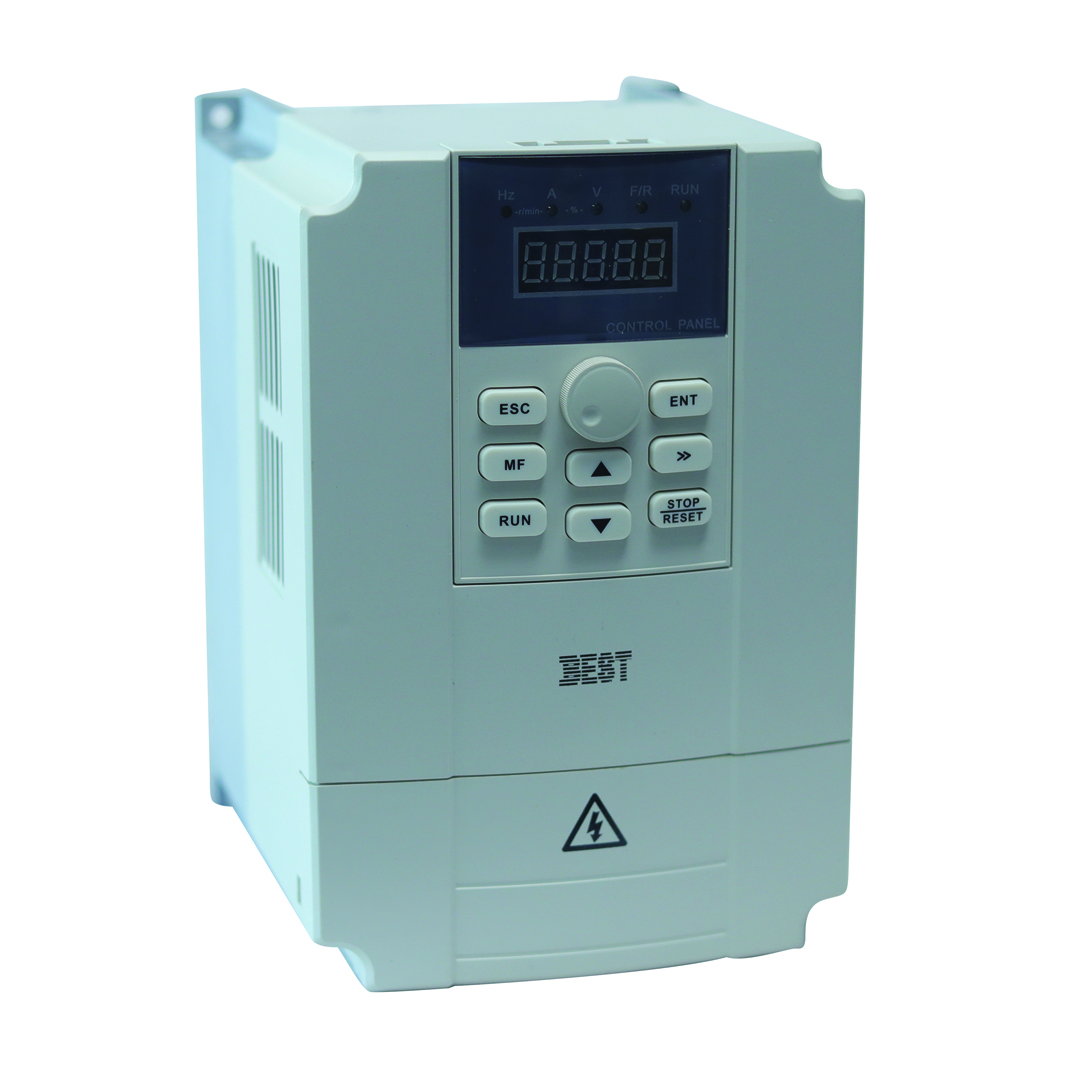
- Power Conversion Units: Incorporate power conversion units like inverters to convert direct current (DC) from solar panels or batteries into alternating current (AC) used by marine systems. Automation systems can manage these conversions seamlessly, ensuring compatibility and efficiency.
4. Monitor and Optimize Performance
Once integrated, continuously monitor the performance of renewable energy systems using marine automation tools. Data collected can be analyzed to optimize energy use, predict maintenance needs, and adjust operational parameters for maximum efficiency.
5. Ensure Compliance and Maintenance
Ensure that your renewable energy integration complies with maritime regulations and standards. Regular maintenance of both renewable systems and automation parts is crucial for sustained performance and reliability.
By strategically incorporating renewable energy solutions and leveraging marine automation parts, vessels can achieve greater efficiency, reduce operational costs, and contribute to a greener maritime industry.