Introduction
In the world of electronics manufacturing, solder paste plays a critical role. It acts as the adhesive that holds components in place on a printed circuit board (PCB) before they are permanently soldered. Among the various types of solder pastes available, Multicore Syringe Solder Paste stands out for its exceptional performance, reliability, and ease of use. This article delves into the intricacies of Multicore Syringe Solder Paste, exploring its composition, applications, benefits, and why it is a preferred choice in the electronics industry.
What is Multicore Syringe Solder Paste?
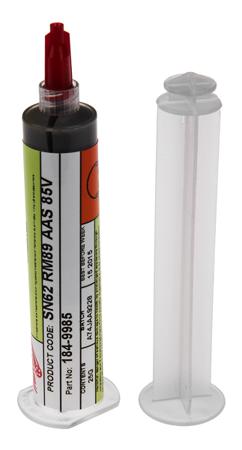
Multicore Syringe Solder Paste is a specialized form of solder paste that comes in a syringe for easy application. It is a mixture of powdered solder and flux, which is used to temporarily attach surface-mount components to a PCB during the soldering process. The syringe packaging allows for precise dispensing, making it ideal for detailed work where accuracy is paramount.
This type of solder paste is typically made from a blend of metal alloys, with the most common being a combination of tin, lead, and silver. The flux component helps to remove oxidation from the surfaces being soldered, ensuring a strong bond between the solder and the components.
Composition and Types of Multicore Syringe Solder Paste
Multicore Syringe Solder Paste is composed of two main elements: the solder alloy and the flux. The solder alloy is typically a metal mixture, with the most popular being a lead-tin alloy. However, with increasing environmental regulations, lead-free solder pastes, which often include tin, silver, and copper, are becoming more prevalent.
The flux in the paste is equally important. It serves multiple functions, such as cleaning the metal surfaces, reducing surface tension, and preventing re-oxidation during the soldering process. Flux types can vary, with some being no-clean, meaning they do not require cleaning after the soldering process, while others might need to be cleaned to avoid corrosion.
There are different types of Multicore Syringe Solder Paste based on their specific applications:
- No-Clean Solder Paste: Ideal for applications where post-soldering cleaning is not possible or desired.
- Water-Soluble Solder Paste: Requires cleaning after the soldering process to remove residues.
- Lead-Free Solder Paste: Used in compliance with environmental regulations, such as RoHS, and is essential in many modern electronic products.
Applications of Multicore Syringe Solder Paste
Multicore Syringe Solder Paste is versatile and can be used in a variety of electronic manufacturing processes. Some of the key applications include:
- Surface Mount Technology (SMT): Used in the assembly of PCBs, where it holds components in place before reflow soldering.
- Rework and Repair: Ideal for repairing faulty solder joints or replacing components on an existing PCB.
- Prototyping: Used during the development of new electronic products, where precision and reliability are crucial.
- Fine Pitch Components: Perfect for applications involving fine-pitch components where accurate dispensing of solder paste is critical.
Advantages of Using Multicore Syringe Solder Paste
There are several advantages to using Multicore Syringe Solder Paste in electronics manufacturing:
- Precision Application: The syringe format allows for precise dispensing of the solder paste, reducing waste and ensuring consistent application, which is especially important for fine-pitch components.
- Ease of Use: The syringe packaging makes it easy to apply the paste in hard-to-reach areas and during rework processes.
- Consistency: Multicore Syringe Solder Paste is known for its consistent performance, which is essential for maintaining the quality and reliability of electronic assemblies.
- Reduced Waste: The ability to dispense only the necessary amount of paste helps in reducing material waste, making the process more cost-effective.
- Versatility: It can be used across various applications, from initial assembly to repair and rework, making it a versatile tool in the electronics industry.
- Enhanced Reliability: The high-quality flux used in Multicore Syringe Solder Paste ensures strong, reliable solder joints, which are critical for the long-term performance of electronic devices.
How to Use Multicore Syringe Solder Paste
Using Multicore Syringe Solder Paste is straightforward, but following the correct procedure is important to ensure the best results. Here’s a step-by-step guide:
- Preparation: Ensure that the PCB and components are clean and free of any contaminants. Any dirt or oxidation can affect the quality of the solder joints.
- Application: Load the syringe with the solder paste and apply a small amount to the pads on the PCB where the components will be placed. The paste should cover the pads evenly without spilling over.
- Component Placement: Carefully place the components onto the PCB, ensuring that they align correctly with the pads.
- Reflow Soldering: Once the components are in place, the PCB is heated in a reflow oven, causing the solder paste to melt and form solid solder joints.
- Inspection and Cleaning: After soldering, inspect the PCB for any defects or incomplete solder joints. If necessary, clean the PCB to remove any flux residue, unless a no-clean paste was used.
Considerations When Choosing Multicore Syringe Solder Paste
When selecting the right Multicore Syringe Solder Paste for your application, consider the following factors:
- Alloy Composition: Choose between leaded and lead-free options based on your specific requirements and regulatory compliance.
- Flux Type: Determine whether a no-clean or water-soluble flux is more suitable for your process.
- Viscosity: The viscosity of the paste affects how it flows and dispenses. Select a viscosity that matches your application needs.
- Storage Conditions: Solder paste should be stored at the recommended temperature to maintain its effectiveness and shelf life.
Conclusion
Multicore Syringe Solder Paste is an essential component in modern electronics manufacturing, offering precision, reliability, and ease of use. Whether you are working on a large-scale production line or a small prototype development, this solder paste provides the versatility and performance needed to ensure high-quality electronic assemblies. By understanding its composition, applications, and advantages, manufacturers can make informed decisions, leading to better outcomes in their projects.

Enrgtech offers the widest variety of high-quality products i.e.
displays optoelectronics, led lighting system components, led light engines at a fabulous price.