

Understanding Food Processing Machinery: An Essential Guide
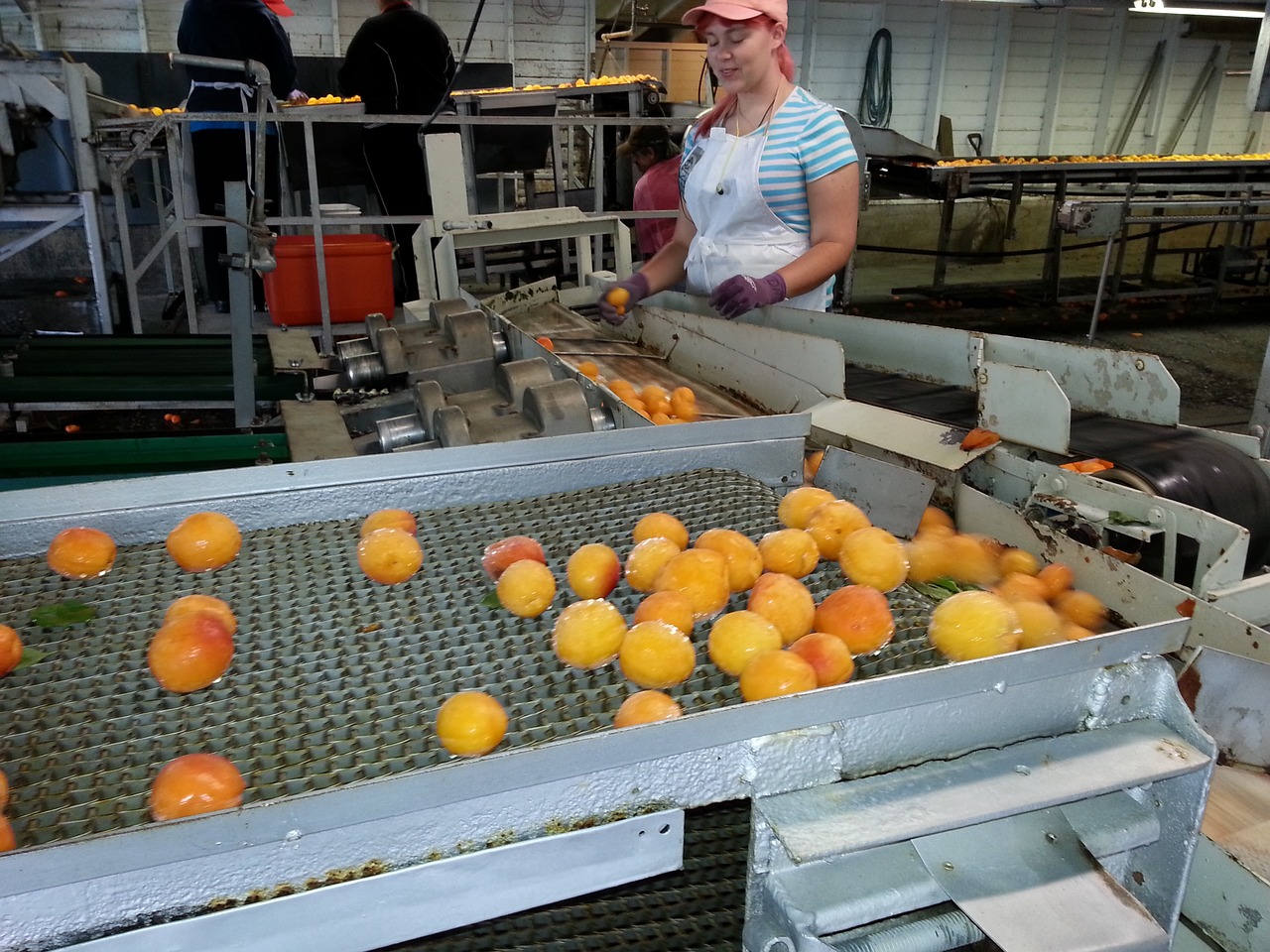
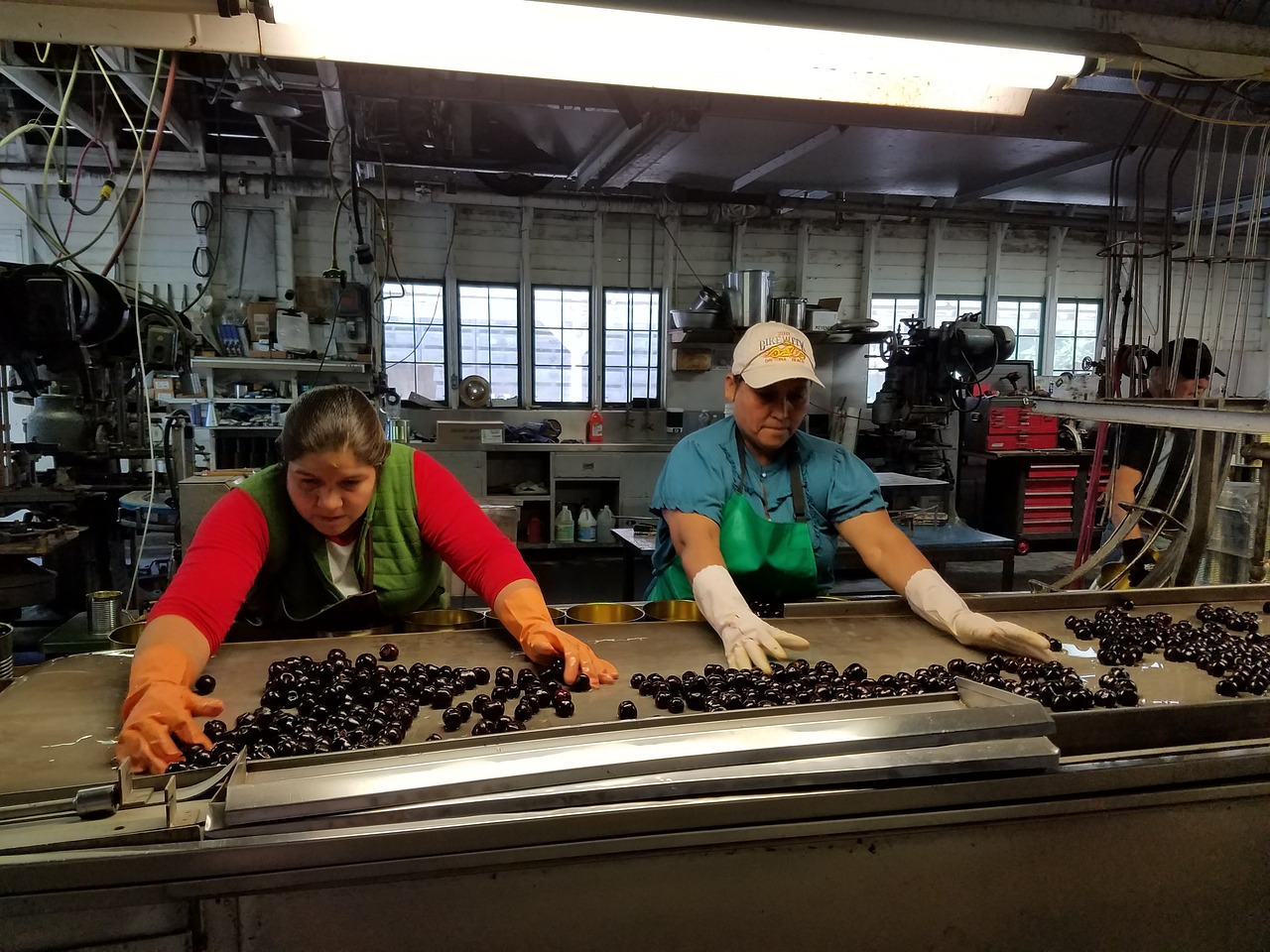
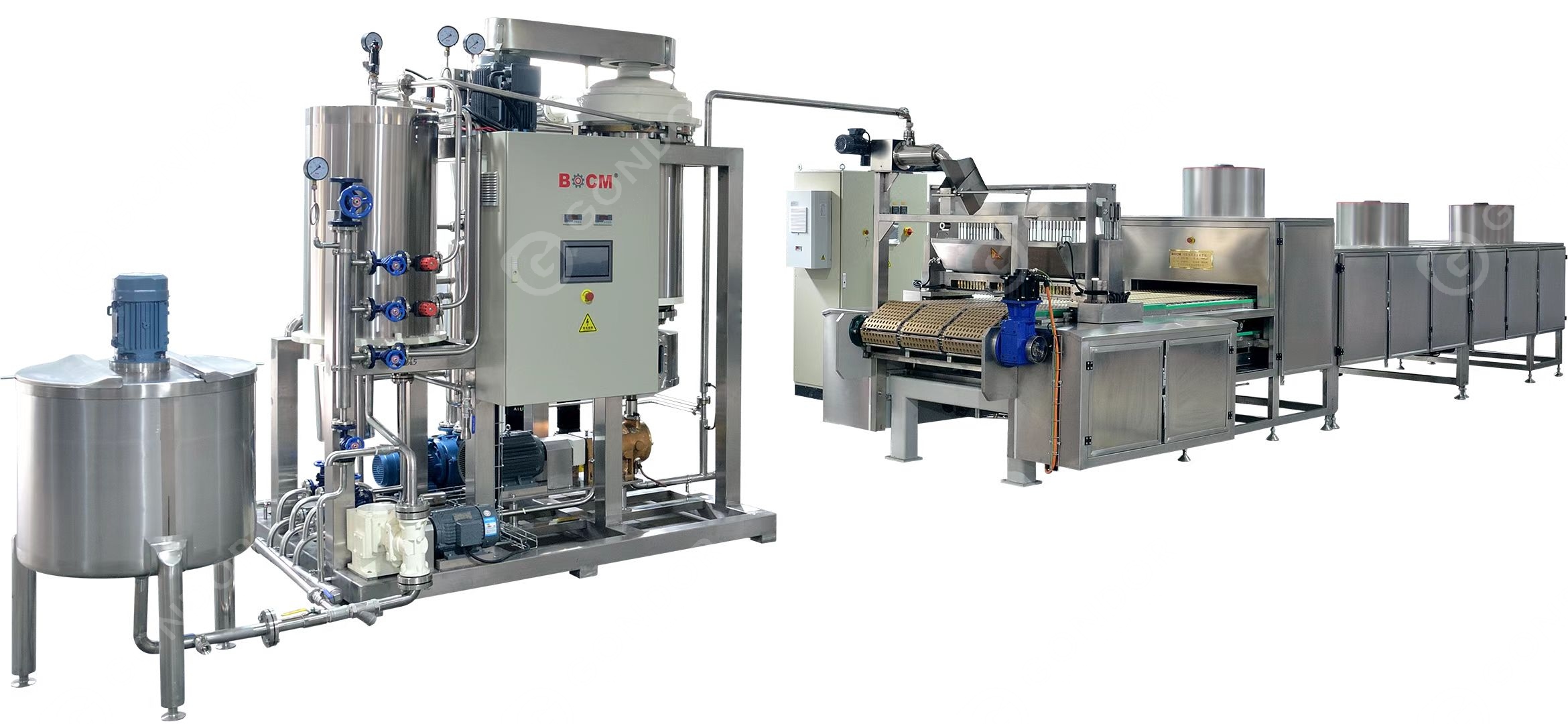
Food processing machinery is pivotal to the modern food industry. Its primary function is to transform raw ingredients into consumable food products that meet safety standards and consumer demands. In this section, we will explore the different types of machinery used in food processing and their respective applications. Understanding these machines will help business owners and managers make informed decisions to enhance productivity and ensure product quality.
Types of Food Processing Machinery and Their Applications
The choice of food processing machinery depends largely on the type of food product being manufactured. Here are some of the common categories of food processing machinery:
1. Blanchers
Blanchers are used to prepare fruits and vegetables for freezing, canning, or drying. The blanching process helps preserve the color, flavor, and nutritional value of the food while also reducing the microbial load.
2. Mixers and Blenders
Mixers and blenders are essential for combining ingredients in a homogenous manner. They are used in the production of a wide range of products, including dough, batters, sauces, and processed meats.
3. Peelers
Peelers are used to remove the skin from fruits and vegetables. This machinery is particularly useful in the production of canned fruits and vegetables, potato products, and juices.
4. Cutters and Slicers
Cutters and slicers are used to cut or slice foods into specific shapes and sizes. They are commonly used in the production of potato chips, salads, and ready-to-cook meat products.
5. Cookers and Kettles
Cookers and kettles are designed to cook food through boiling, steaming, or baking. They are used in the preparation of soups, sauces, jams, and other heat-processed foods.
6. Grinders and Mills
Grinders and mills are used to break down ingredients into smaller particles or powders. They are commonly used in the production of flour, spices, and meat products.
7. Fillers
Fillers are used to accurately fill containers with the desired quantity of product. They are essential in the packaging process for products like sauces, soups, beverages, and more.
8. Packaging Machinery
Packaging machinery is designed to package food products efficiently. This includes machines for wrapping, sealing, labeling, and coding. Proper packaging ensures product freshness, safety, and shelf life.
Factors to Consider When Selecting Food Processing Machinery
Choosing the right food processing machinery is critical for streamlining production processes and ensuring product quality. Here are some factors to consider when selecting machinery for your business:
1. Type of Product
Consider the type of product you are manufacturing. Different products require different types of machinery, so it's essential to match your machinery to your specific production needs.
2. Production Volume
Evaluate your production volume to determine the size and capacity of the machinery needed. High-volume production requires more robust machinery to handle the increased workload.
3. Budget
Budget constraints play a significant role in machinery selection. It's important to find a balance between cost and quality, ensuring that you do not compromise on essential features and performance.
4. Regulatory Compliance
Ensure that the machinery complies with food safety and hygiene regulations. Non-compliance can lead to legal issues and compromise product safety.
5. Flexibility and Scalability
Select machinery that is flexible and scalable to adapt to future production changes or expansions. This will help you save costs in the long term by avoiding the need for frequent machinery upgrades.
Conclusion
In summary, selecting the right food processing and packaging machinery is a crucial decision that can significantly impact your business's efficiency, product quality, and profitability. Evaluate different types of machinery, consider key factors, and make informed decisions to ensure your business's success. By investing in the right equipment, you can meet consumer demands, maintain compliance with regulations, and stay competitive in the market.