

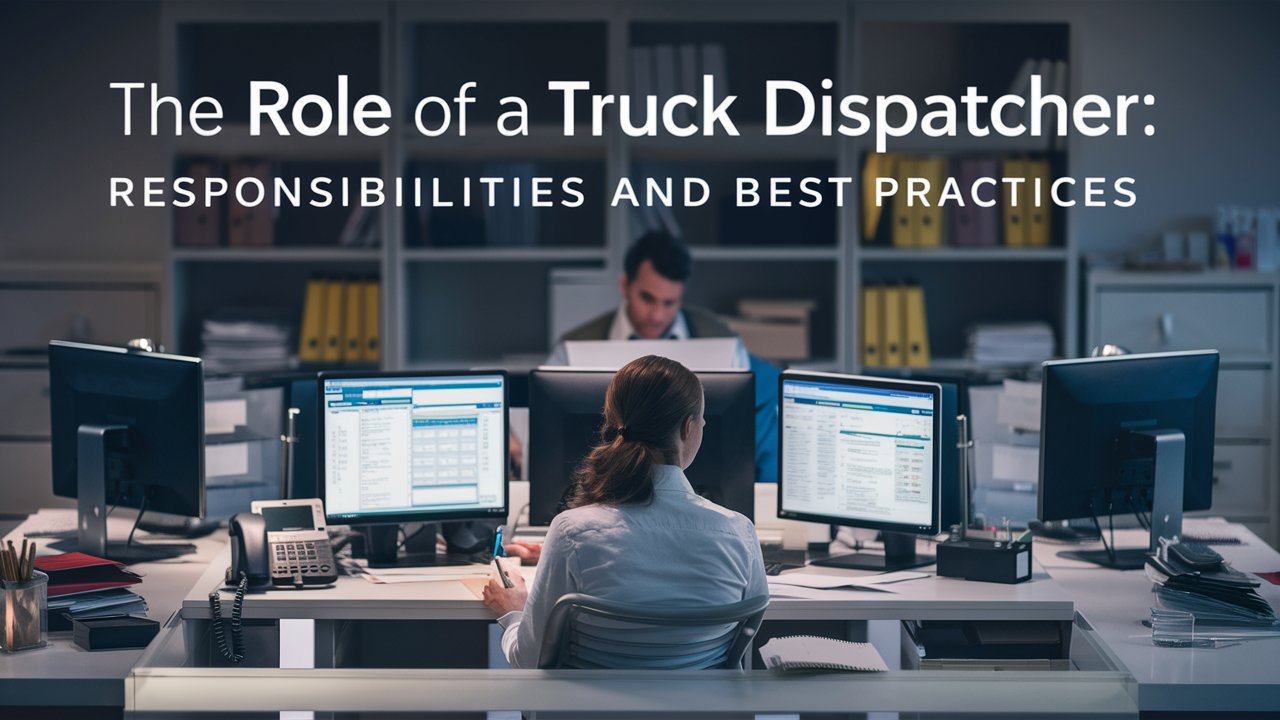
Truck dispatching might not be the first thing that comes to mind when you think about exciting careers, but it's a job that's full of challenges, requires quick thinking, and plays a crucial role in our modern economy. It's a profession that combines technology, communication, and problem-solving in ways that few other jobs do.
These professionals are the backbone of the logistics industry. Professionals like the ones working at Tech Rig Dispatch have equally important duties as people in any other career. Why not find out what they get up to?
What Exactly Does a Truck Dispatcher Do?
At its core, a truck dispatch job is all about coordination. Dispatchers are the central hub of communication between drivers, clients, and logistics managers. They're responsible for making sure that trucks are in the right place at the right time, with the right cargo, and that everything moves smoothly from origin to destination.
Let's break down the main responsibilities of a truck dispatcher:
- Route Planning and Scheduling
- Communication
- Problem-Solving and Crisis Management
- Record-Keeping and Compliance
- Driver Management
Now, let's explore each of these areas in more detail.
Route Planning and Scheduling
One of the most important tasks a dispatcher handles is planning and scheduling delivery routes. This isn't as simple as just plugging addresses into a GPS. Dispatchers need to consider a variety of factors to create the most efficient routes possible.
Here's what goes into effective route planning:
- Understanding geography and road networks
- Analyzing traffic patterns and potential bottlenecks
- Considering weather conditions and their impact on travel
- Balancing multiple deliveries to optimize time and fuel usage
- Ensuring drivers can meet delivery deadlines while also complying with regulations on driving hours
Dispatchers use their knowledge and experience, often aided by specialized software, to create routes that save time and money while meeting customer expectations.
Read More Articles: Efficient Routes for Box Truck Drivers: Maximizing Productivity and Minimizing Downtime
Communication: The Glue That Holds It All Together
If route planning is the brain of dispatching, communication is its heart. Dispatchers are constantly in touch with various stakeholders, keeping everyone informed and coordinated.
Here's who dispatchers typically communicate with:
Stakeholder: Drivers
What They Communicate About: Route updates, delivery instructions, traffic alerts, check-ins
Stakeholder: Clients
What They Communicate About: Delivery confirmations, ETAs, addressing concerns or special requests
Stakeholder: Logistics Managers
What They Communicate About: Overall operations status, any major issues or delays
Stakeholder: Maintenance Teams
What They Communicate About: Vehicle repair needs, scheduling routine maintenance
Dispatchers need to be clear, concise, and able to convey important information quickly and accurately. Good dispatchers also know how to listen and gather essential information from drivers and clients.
Problem-Solving and Crisis Management
In an ideal world, every delivery would go exactly as planned. But in reality, dispatchers often find themselves playing the role of problem-solver. They need to think on their feet and make quick decisions when issues arise.
Some common problems dispatchers face:
- Traffic jams or road closures requiring last-minute route changes
- Vehicle breakdowns necessitating repairs or replacement trucks
- Extreme weather conditions that impact travel safety
- Missed delivery windows due to unforeseen circumstances
- Driver illness or emergencies
Dispatchers need to be quick thinkers and stay calm under pressure. They must be able to assess situations rapidly, consider multiple solutions, and implement the best course of action to keep deliveries on track.
Record-Keeping and Compliance
Accurate record-keeping is essential in a truck dispatch job. Dispatchers are responsible for maintaining a variety of records and ensuring compliance with industry regulations.
Key areas of record-keeping:
- Driver logs: Tracking hours driven to ensure compliance with federal regulations
- Expense tracking: Monitoring fuel costs, maintenance expenses, and other operational costs
- Delivery confirmations: Maintaining records of successful deliveries and any issues encountered
- Vehicle maintenance logs: Keeping track of when vehicles are serviced and any recurring issues
Compliance is a big deal in the trucking industry. Dispatchers need to be familiar with regulations from agencies like the Federal Motor Carrier Safety Administration (FMCSA) and ensure that all operations adhere to these rules.
Driver Management: Supporting the Road Warriors
Last but certainly not least, dispatchers play a crucial role in managing drivers. This goes beyond simply telling drivers where to go – it involves supporting them, monitoring their performance, and ensuring their well-being.
Dispatcher responsibilities in driver management:
- Assigning routes based on driver skills, experience, and availability
- Monitoring driver performance and providing constructive feedback
- Ensuring drivers take required rest breaks to prevent fatigue
- Supporting drivers when they encounter issues on the road
- Fostering a positive relationship between the company and its drivers
Good dispatchers understand that happy, well-supported drivers are more likely to perform their jobs efficiently and safely.
Best Practices for Truck Dispatchers
Adopt Technology:
Technology: Dispatch Management Software
How It Helps: Automates route planning and tracks shipments in real time
Technology: GPS Tracking
How It Helps: Provides accurate location data for all vehicles
Technology: Telematics
How It Helps: Gathers data on vehicle performance and driver behavior
Technology: Electronic Logging Devices (ELDs)
How It Helps: Automatically records driving time for hours-of-service compliance
Develop Strong Organizational Skills
Being organized is crucial for dispatchers who often juggle multiple tasks simultaneously. Here are some organizational tips:
- Use digital tools like calendar apps and task management software to keep track of deadlines and priorities
- Develop a system for categorizing and prioritizing incoming requests and issues
- Keep your workspace (both physical and digital) clean and well-organized
- Create checklists for routine tasks to ensure nothing is overlooked
Read More Articles: How Does A Proximity Key Fob Work?
Master the Art of Communication
We've already discussed how important communication is in dispatching. Here are some tips for effective communication:
- Be clear and concise in your instructions to drivers
- Practice active listening when talking with clients or drivers
- Use the appropriate communication channel for different types of messages (e.g., phone for urgent matters, email for detailed instructions)
- Develop a friendly but professional rapport with drivers and clients
Enhance Your Problem-Solving Skills
To excel at problem-solving, dispatchers should:
- Stay calm under pressure – take a deep breath before tackling a crisis
- Develop a mental library of common problems and their solutions
- Practice scenario planning to prepare for potential issues before they arise
- Don't be afraid to ask for help or input from colleagues when faced with a difficult situation
Truck Dispatchers Can Do It All
Truck dispatchers keep goods moving efficiently across the country so that businesses have the necessary supplies and consumers get their orders on time. It's a challenging job that requires unique skills.
Want to know about the job in detail? Tech Rig Dispatch might be the resource for you.