

Introduction to Hand Lever Valves
In the world of pneumatic systems, where compressed air powers everything from factory automation to workshop tools, control is crucial. Hand lever valves play an essential role in these systems, offering a simple yet effective way to manually control the flow of air. Whether you're an engineer designing a complex pneumatic circuit or a hobbyist tinkering with workshop equipment, understanding what a hand lever valve is and how it works can provide essential insights into the functionality of pneumatic systems. This article will take you through the basics, key components, common applications, advantages, and limitations of hand lever valves.
Fundamental Principles of Hand Lever Valves
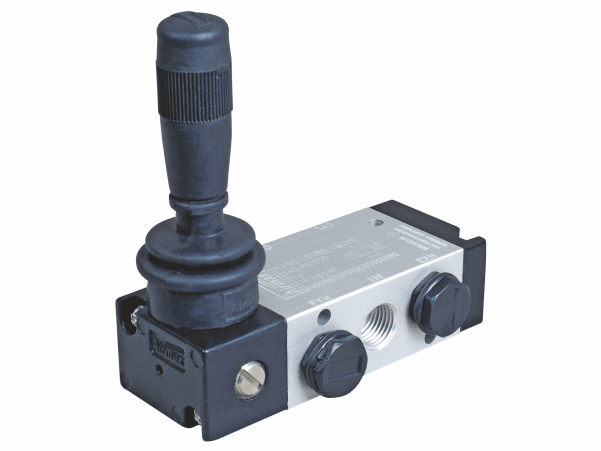
At its core, a hand lever valve is a manually operated device used to control the flow of air within a pneumatic system. The valve's operation is straightforward: moving the lever opens or closes ports within the valve body, thereby controlling the passage of air. These valves are renowned for their simplicity, reliability, and ease of use, making them indispensable in settings where precise manual control is necessary.
Key Components of Hand Lever Valves
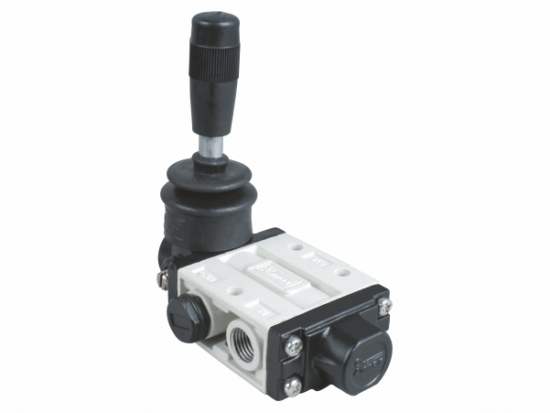
Hand lever valves consist of several fundamental components that work seamlessly together to regulate airflow. Understanding these components can provide insights into the trivial mechanisms of the valve:
- Lever: The exterior element manipulated by the user to control the valve's operation. It can be moved to different positions to direct the flow of air.
- Valve Body: The main structure housing all internal parts and ports, providing a path for airflow.
- Ports: Openings within the valve body where air enters or exits. The arrangement of ports varies depending on the valve's design.
- Seals: Elements that ensure an airtight closure when the valve is in the closed position, preventing air leaks.
- Springs: In some models, springs help return the lever to its default position after operation.
How Hand Lever Valves Function
Hand lever valves offer straightforward but highly effective operation methods. Their functioning can be described in a few fundamental steps:
- Initiating the Lever: To open the valve, the user moves the lever from its resting position. When the lever is moved, ports within the valve body align in a way that allows air to pass through.
- Altering Air Pathways: Depending on the lever's position, the valve directs the compressed air to different pathways. This can either increase flow, decrease flow, or change the direction of air.
- Ceasing the Flow: Moving the lever back to its original or another designated position closes the ports, effectively stopping the flow of air.
Types of Hand Lever Valves Based on Functionality
Hand lever valves come in various types, each designed for specific functionalities within a pneumatic system:
Directional Control Valves
These valves direct the flow of air to different paths, allowing for the control of actuators such as cylinders and motors. They typically come in configurations like 2-way, 3-way, or 4-way, depending on the number of ports and flow paths. For example:
- 2-Way Directional Control Valves: These valves have two ports and can switch between two states: open or closed. They are typically used for simple on-off functions.
- 3-Way Directional Control Valves: These provide three ports and are capable of directing air to two different paths in addition to a common port.
- 4-Way Directional Control Valves: With four ports, these valves offer more complex control, commonly used in applications requiring forward and reverse motions.
Flow Control Valves
Flow control valves regulate the rate of airflow, which in turn controls the speed of actuators. By adjusting the lever, the user can increase or decrease the flow, fine-tuning the performance of the system. These valves are critical in applications where precise control over the speed of pneumatic devices is necessary.
Advantages of Hand Lever Valves
Hand lever valves hold several advantages that make them a popular choice in various pneumatic applications:
- Simplicity: Their straightforward design makes them easy to operate and maintain.
- Precision: They offer highly precise control over airflow, especially in configurations like flow control valves.
- Reliability: With fewer moving parts compared to automated valves, hand lever valves offer better reliability and a longer service life.
- Cost-Effective: As manual devices, they are generally less expensive than their automated counterparts.
Limitations of Hand Lever Valves
While hand lever valves are beneficial in many ways, they also come with certain limitations:
- Manual Operation: Since they require human intervention, they may not be suitable for fully automated systems.
- Limited Load Capacity: They may not be suitable for applications involving extremely high pressures or flow rates.
- Potential for Human Error: Being manually operated, there's a higher potential for human error, impacting the performance of the entire system.
Common Applications of Hand Lever Valves
Hand lever valves find use in various applications due to their versatility and efficiency in controlling air flow manually:
Factory Automation
In factory settings, hand lever valves are used to manually start or stop pneumatic actuators involved in assembly lines, packaging machines, and robotic systems. They offer critical control points for the maintenance and operation of complex machinery.
Workshop Tools
They are frequently used in workshops for controlling airflow to pneumatic tools such as air hammers, drills, and sanders. Their quick and straightforward operation makes them ideal for such environments where adjustments need to be made rapidly.
Maintenance and Repairs
During maintenance and repair work of pneumatic systems, hand lever valves come in handy for isolating components from the compressed air supply, ensuring a safe working environment.
Laboratory Equipment
In laboratories, hand lever valves help control precise airflows required for various experiments and processes. The adjustable nature of flow control valves ensures accuracy, which is paramount in scientific applications.
Conclusion
Understanding the basics of hand lever valves, their components, functionality, and types provide valuable insights into their role in pneumatic systems. Whether you're an engineer, technician, or hobbyist, grasping the fundamentals and applications of these valves can enhance your ability to design, maintain, and operate pneumatic systems efficiently. Their simplicity, reliability, and cost-effectiveness make them indispensable, even as they come with some limitations that must be considered in specific contexts.