


In today's digital era, the integrity of organizational data and infrastructure is under constant threat. Cybersecurity incidents are not just potential risks; they are imminent realities. As businesses become increasingly reliant on digital operations, the importance of a robust security framework cannot be overstated. Herein lies the pivotal role of a security program assessment—a comprehensive evaluation designed to identify vulnerabilities and fortify defenses. By comparing its efficacy with other security measures, we can understand why an assessment is indispensable for any modern enterprise.
What is a Security Program Assessment?
An assessment is an exhaustive review of an organization's current security measures, policies, and procedures. It aims to identify gaps, weaknesses, and areas for improvement in the existing security framework. This process involves evaluating various components such as network security, physical security, data protection, compliance with regulations, and employee awareness and training programs.
The goal is to provide a clear understanding of the organization's security posture and offer actionable recommendations to mitigate risks. Unlike routine audits, a security program assessment delves deeper, providing a holistic view of the organization's security landscape.
Comparing Security Program Assessment with Other Security Measures
To truly grasp the value of an assessment, it is essential to compare it with other prevalent security measures such as vulnerability assessments, penetration testing, and compliance audits.
Vulnerability Assessment
A vulnerability assessment focuses on identifying and quantifying vulnerabilities in a system. It involves scanning the network and systems to detect known vulnerabilities and provide recommendations for remediation. While this is crucial for maintaining security hygiene, it primarily addresses known issues without providing a broader perspective on overall security health.
In contrast, an assessment offers a comprehensive evaluation, encompassing both known and unknown vulnerabilities, and extends beyond technical weaknesses to include policy and procedural gaps. It provides a strategic roadmap for enhancing security at a fundamental level.
Penetration Testing
Penetration testing, or ethical hacking, simulates real-world attacks to identify potential entry points and weaknesses that could be exploited by malicious actors. It is a proactive approach to uncovering security flaws and testing the effectiveness of existing security measures.
However, penetration testing is typically limited in scope and time-bound, focusing on specific aspects of the security infrastructure. A security program assessment complements penetration testing by offering a broader analysis that includes policy review, employee training, and compliance checks, ensuring a more well-rounded security strategy.
Compliance Audits
Compliance audits evaluate an organization's adherence to industry standards, regulations, and legal requirements. These audits are essential for ensuring that the organization meets the necessary legal obligations and avoids penalties.
While compliance audits are crucial, they often follow a checklist approach and may not provide a comprehensive view of the organization's overall security posture. An assessment, on the other hand, goes beyond compliance, offering insights into areas that might be secure by compliance standards but vulnerable in practice. This holistic approach ensures that the organization is not only compliant but also resilient against a wide range of threats.
The Benefits of a Security Program Assessment
Holistic Security Posture
One of the primary advantages of an assessment is its holistic approach. By evaluating technical, physical, and administrative controls, it provides a complete picture of the organization's security landscape. This comprehensive assessment ensures that no stone is left unturned in identifying and addressing potential vulnerabilities.
Actionable Recommendations
A security program assessment offers actionable recommendations tailored to the organization's specific needs and circumstances. These recommendations are based on a thorough analysis of the current security measures and the identified gaps. This targeted approach helps in implementing effective security enhancements that are both practical and impactful.
Enhanced Risk Management
By identifying and addressing vulnerabilities before they can be exploited, an assessment significantly enhances the organization's risk management capabilities. It enables proactive measures to mitigate risks, reducing the likelihood of security breaches and minimizing potential damage.
Continuous Improvement
Security threats are constantly evolving, and so should the organization's security measures. A security program assessment promotes a culture of continuous improvement by regularly evaluating and updating security practices. This ongoing process ensures that the organization remains resilient against emerging threats and adapts to the ever-changing cybersecurity landscape.
Increased Stakeholder Confidence
Investing in a security program assessment demonstrates the organization's commitment to maintaining robust security measures. This proactive approach builds trust and confidence among stakeholders, including customers, partners, and regulatory bodies. It reassures them that the organization is taking comprehensive steps to protect sensitive data and ensure business continuity.
Implementing a Security Program Assessment
To harness the full benefits of a assessment, it is essential to follow a structured approach:
Conclusion
In the dynamic landscape of cybersecurity, a security program assessment stands out as a comprehensive and proactive approach to safeguarding an organization's assets and data. By comparing its benefits with other security measures, it becomes evident that an assessment offers unparalleled insights and actionable recommendations for holistic security enhancement. Investing in a security program assessment is not just a strategic decision; it is a commitment to continuous improvement and resilience in the face of evolving threats. Embrace this powerful tool and fortify your organization's security posture, ensuring a secure and prosperous future.


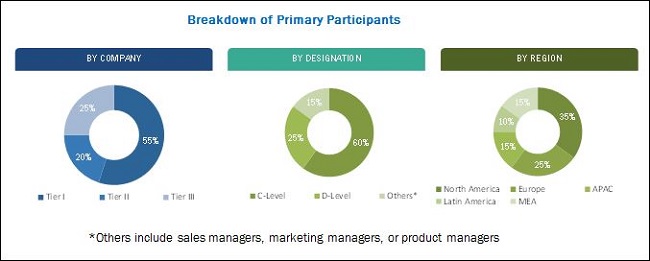
According to a new market research report "Security Assessment Market by Security Type (Endpoint Security, Network Security, Application Security, Cloud Security), Assessment Type, Deployment Mode, Organization Size, Industry Vertical, and Region - Global Forecast to 2022", published by MarketsandMarkets™, the security assessment market expected to grow from $1.26 Billion in 2017 to $4.03 Billion by 2022, at a Compound Annual Growth Rate (CAGR) of 26.1% during the forecast period.
The base year considered for the study is 2016 and the forecast period is from 2017 to 2022.Browse in-depth TOC on "Security Assessment Market”64- Tables38- Figures131- PagesDownload PDF Brochure @ https://www.marketsandmarkets.com/pdfdownloadNew.asp?id=128992392Cloud security segment is expected to play a key role in the security assessment marketThe cloud services segment is expected to play an important role in changing the security assessment marketspace and grow at the highest CAGR during the forecast period.
Security assessment services help organizations evaluate their existing security posture and then align it to their desired cyber security goals and strategies eventually provide robust security the business critical applications.
Additionally, they help organizations to meet PCI DSS, HIPAA, SOX, NERC CIP, FISMA, and other regulatory compliances.Hosted deployment mode is expected to be the fastest-growing deployment mode in the security assessment marketIn the security assessment market, the hosted deployment mode is expected to be the fastest-growing segment, as it offers organizations with increased scalability, speed, round the clock services, and improved management capabilities.
Additionally, such hosted or cloud-based security assessment services are available in accordance with the customer’s demand, wherein enterprises can start, stop or modify any service, as per their requirement.North America is estimated to hold the largest market size in the security assessment market in 2017North America is expected to have the largest market size in the security assessment market, due to the presence of a large number of security assessment service providers and the early adoption trends in the developed countries in the region.
Asia Pacific (APAC) is expected to be the fastest-growing region during the forecast period, owing to factors such as growing need to protect critical applications and data in organization, and upcoming stringent regulatory compliances.