Design Presentation Techniques: Modern Approaches to Showcasing Architectural Concepts
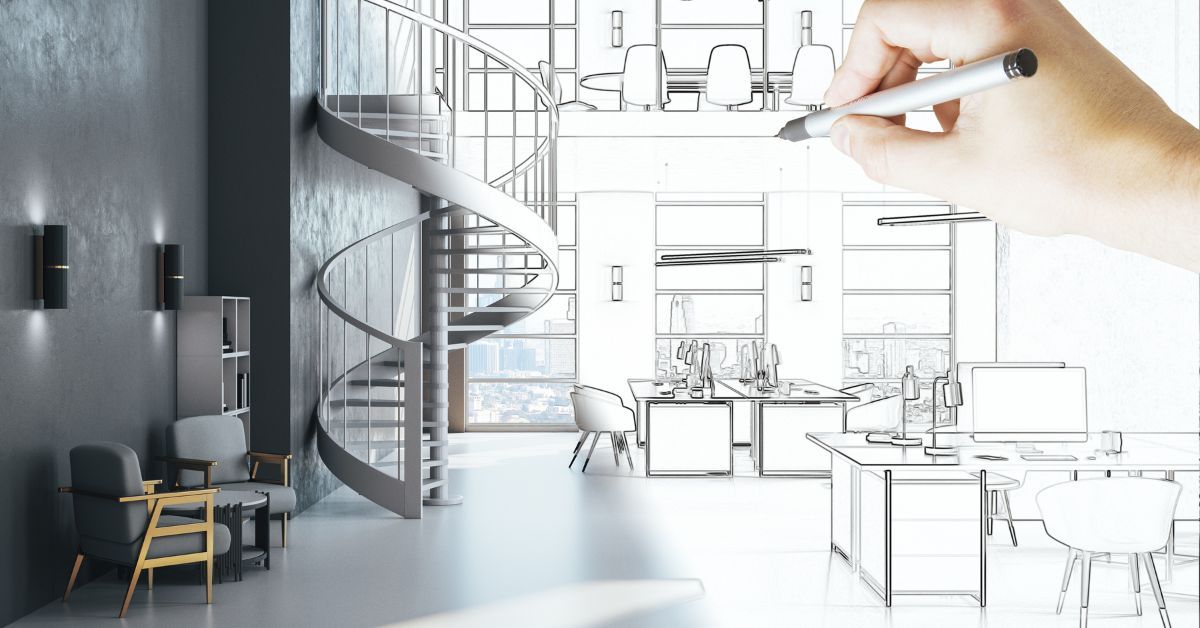
In the past, architects and designers relied heavily on physical models, hand-drawn sketches, and traditional blueprints to present their visions. These mediums, while effective to some extent, had their limitations in conveying the full potential of a design. However, with the advent of Architectural CGI (Computer-Generated Imagery), there has been a significant transformation in design presentation techniques. This modern approach to showcasing architectural concepts includes high-definition renders, virtual walkthroughs, and interactive 3D models. These techniques not only offer a more immersive experience but also allow for a clearer communication of ideas to clients and stakeholders.
High-definition renders are one such technique that has gained popularity. By creating photorealistic images of a proposed design, architects can showcase intricate details, materials, lighting, and layouts with remarkable accuracy. These renders help the audience visualize the finished product, leaving little to the imagination and reducing the risk of misinterpretation.
Virtual walkthroughs are another innovative method enabled by Architectural CGI. These walkthroughs allow clients and stakeholders to navigate through a digital version of the design, providing a sense of space and scale that static images cannot offer. This interactive experience helps in identifying potential issues and necessary adjustments early in the design process, saving time and resources.
Interactive 3D models are also a valuable addition to modern design presentation techniques. These models can be manipulated in real-time, offering a comprehensive view from multiple angles. This level of interaction helps in understanding the spatial relationships and design elements more effectively, fostering better decision-making and collaboration among project members.
Digital Transformation in Design: Embracing Technology for Better Outcomes
Digital transformation has been a buzzword across various industries, and the field of architecture is no exception. The integration of digital tools and technologies has revolutionized the way designers work, bringing numerous advantages to the table. Architectural CGI is at the forefront of this transformation, bridging the gap between imagination and reality.
One of the primary benefits of digital transformation in design is the increased efficiency and accuracy it offers. Traditional methods of drafting and modeling were time-consuming and prone to errors. With the advent of digital tools, architects can now create, modify, and optimize designs with ease, ensuring precision and saving valuable time.
Collaboration has also been significantly enhanced through digital transformation. Cloud-based platforms and shared digital environments allow team members to work together seamlessly, irrespective of their physical locations. This level of connectivity ensures that everyone is on the same page, reducing the likelihood of miscommunication and fostering a more cohesive working environment.
Furthermore, the integration of Building Information Modeling (BIM) with Architectural CGI has taken design visualization to new heights. BIM provides a comprehensive digital representation of a building's physical and functional characteristics, enabling architects to visualize and analyze every aspect of the design in a detailed manner. This holistic approach ensures that all elements of the project are accounted for, leading to better planning and execution.
Environmental considerations have also been made easier with the help of digital tools. Architects can now simulate and analyze various environmental factors, such as lighting, ventilation, and energy consumption, to create sustainable and energy-efficient designs. This proactive approach not only benefits the environment but also aligns with the growing demand for green building practices.
CGI for Architectural Presentations: Enhancing Communication and Engagement
Architectural CGI has become an indispensable tool for creating compelling presentations that captivate clients and stakeholders. Its ability to produce lifelike visualizations helps bridge the gap between complex architectural concepts and their realization, making it easier for all parties involved to understand and appreciate the design.
One notable advantage of CGI for architectural presentations is its ability to evoke emotions and create a sense of connection with the design. High-quality CGI renderings can convey the ambiance and atmosphere of a space, making it more relatable and engaging. This emotional connection helps clients envision themselves in the space, increasing their confidence and investment in the project.
Customization is another strength of CGI in architectural presentations. Designers can create multiple variations of a design, exploring different materials, colors, and layouts without the need for physical prototypes. This flexibility allows for a more iterative and client-focused design process, where feedback can be promptly incorporated to refine and improve the proposal.
CGI also plays a crucial role in marketing and promotional efforts. Stunning visualizations can be used in brochures, websites, and social media campaigns to showcase the design to a broader audience. These visuals help create excitement and interest around the project, attracting potential buyers, investors, and partners.
Additionally, the use of CGI in architectural presentations has democratized the design process. By making complex architectural concepts more accessible and understandable, it empowers clients and stakeholders to actively participate in the decision-making process. This inclusivity fosters a sense of ownership and collaboration, ultimately leading to more successful and satisfying outcomes.
The Future of Architectural Visualization: Emerging Trends and Innovations
As technology continues to evolve, so does the field of architectural visualization. Several emerging trends and innovations are set to shape the future of the industry, making design visualization even more immersive, efficient, and impactful.
One such trend is the integration of Virtual Reality (VR) and Augmented Reality (AR) in architectural visualization. These technologies offer an unparalleled level of immersion, allowing clients to experience the design in a fully interactive and lifelike environment. VR and AR can be used for virtual walkthroughs, design reviews, and even remote collaboration, enhancing the overall design process and client engagement.
Artificial Intelligence (AI) is another exciting development in the field. AI-powered tools can analyze vast amounts of data and generate design solutions that optimize functionality, aesthetics, and sustainability. These tools can also assist in automating repetitive tasks, freeing up designers to focus on more creative aspects of the project.
The use of real-time rendering engines is also gaining traction in architectural visualization. These engines allow for the creation of high-quality visualizations in real-time, enabling instant feedback and iteration. This capability is particularly beneficial for design presentations, where time and responsiveness are of the essence.
Sustainable and eco-friendly design practices are increasingly becoming a priority in the field of architecture. Tools and technologies that facilitate the analysis and optimization of environmental factors are being integrated into design visualization processes. This focus on sustainability not only aligns with global environmental goals but also meets the growing demand for green buildings and eco-conscious design solutions.
Collaborative platforms and cloud-based tools are further enhancing the design process by enabling seamless communication and coordination among project teams. These platforms allow for real-time sharing and updating of design data, ensuring that everyone is working with the most current information. This level of connectivity promotes efficient collaboration and reduces the risk of errors and miscommunication.
Conclusion: Embracing Architectural CGI for a Brighter Future
The rise of Architectural CGI has undeniably transformed the way designers conceptualize and present their projects. By offering new insights and efficiencies in the creative process, CGI has become an essential tool in the modern architect's toolkit. From enhancing design presentation techniques to driving digital transformation in the industry, Architectural CGI has paved the way for more innovative, engaging, and effective design solutions.
As technology continues to advance, the potential for Architectural CGI will only grow, opening up new possibilities for design visualization. By embracing these advancements and staying at the forefront of emerging trends, architects and designers can create more compelling, sustainable, and successful projects. The future of architectural visualization is bright, and the integration of CGI is at the heart of this exciting evolution.