


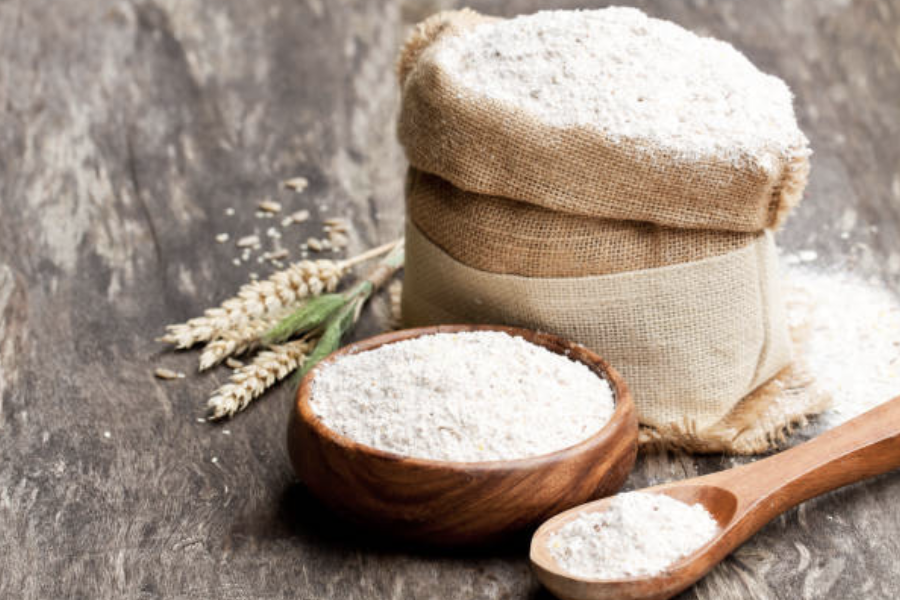
Indian cuisine is rich in variety and flavor, and the foundation of many beloved dishes lies in the type of flour used. Among the most commonly used flours in Indian households are Atta and Whole Wheat Flour. While they may appear similar, these two types of flour have distinct characteristics that can significantly influence the texture, taste, and overall quality of Indian sweets and savories. In this blog, we will explore the versatility of Atta and Whole Wheat Flour, comparing their roles in creating delicious Indian dishes, and help you determine which is best suited for your culinary needs.
Understanding Atta and Whole Wheat Flour
Before diving into their applications, it's essential to understand what distinguishes Atta from Whole Wheat Flour. Both are made from whole grains of wheat, but the milling process differs, resulting in unique textures and flavors.
Atta is finely ground whole wheat flour commonly used in Indian kitchens, particularly for making flatbreads like roti, chapati, and paratha. The milling process for Atta is unique, where the wheat is ground between stone grinders, which gives it a fine texture and slightly nutty flavor. The fineness of Atta makes it ideal for soft and pliable doughs, essential for Indian bread.
Whole Wheat Flour, on the other hand, is a more coarsely ground version of the same wheat grains. It is often used in Western baking, such as bread, muffins, and pancakes. The coarser grind retains more bran and germ, resulting in a flour with a heavier texture and a more pronounced wheat flavor.
Atta in Indian Sweets and Savories
Atta's fine texture and subtle flavor make it a versatile ingredient in Indian cooking, extending beyond just flatbreads. Here’s how Atta is used in various Indian sweets and savories:
Whole Wheat Flour in Indian Sweets and Savories
While Whole Wheat Flour is more commonly associated with Western baking, it has found its place in Indian cuisine, particularly among health-conscious cooks. Here’s how Whole Wheat Flour compares to Atta in Indian sweets and savories:
Atta vs. Whole Wheat Flour: Which is More Versatile?
When it comes to versatility in Indian sweets and savories, Atta holds a slight edge due to its finer texture and ability to create soft, pliable doughs. The smoothness of Atta makes it ideal for traditional Indian recipes where texture is paramount, such as in rotis, parathas, and halwas. Its ability to absorb flavors and blend seamlessly with other ingredients makes it a preferred choice for many classic Indian dishes.
However, Whole Wheat Flour is not to be overlooked. Its higher fiber content and more pronounced wheat flavor make it an excellent option for those looking to add a nutritional boost to their meals. While it may not always produce the same softness as Atta, it brings its own set of advantages, particularly in baked goods and health-conscious recipes.
In essence, the choice between Atta and Whole Wheat Flour boils down to personal preference and the specific dish you are preparing. For traditional Indian sweets and savories that require a delicate texture and smooth finish, Atta is your go-to flour. On the other hand, if you’re aiming for a more robust flavor and nutritional profile, Whole Wheat Flour can be a worthy substitute.
Conclusion
Atta and Whole Wheat Flour both play crucial roles in Indian cooking, each bringing its unique qualities to the table. Whether you choose the fine, smooth Atta for your traditional dishes or the hearty, nutritious Whole Wheat Flour for a health-conscious twist, both flours offer versatility and flavor in their own right. Understanding their differences and knowing when to use each can elevate your Indian cooking, allowing you to create dishes that are not only delicious but also suited to your dietary preferences.
For more insights into the differences between Atta and Whole Wheat Flour, check out this comprehensive guide here.


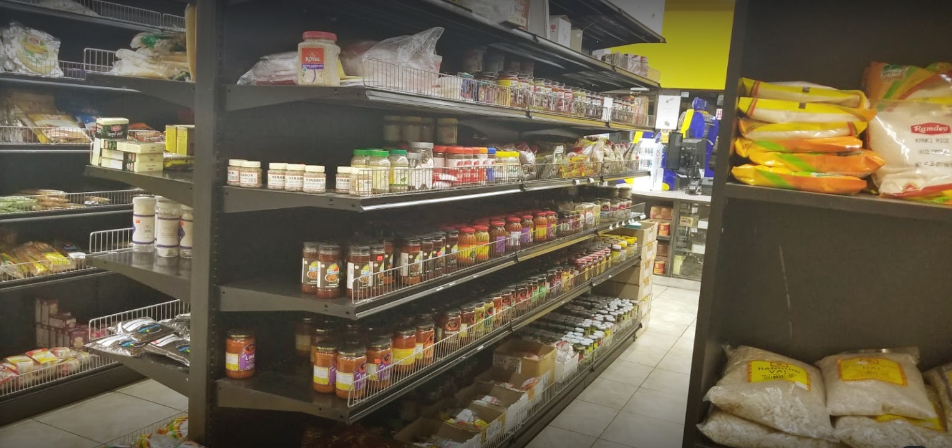
Are you searching for Homemade biscuits online?
Swagat Grocery store has all grocery items which are available in Indian Supermarket does.
We sell all times like Atta flour, homemade biscuits, Ghee, Oil, Fresh Vegetables, Indian Dairy Products, Refried Beans, Frozen food items, and other items used in an Indian home.
Visit to buy biscuits https://swagatgrocery.com/product-category/cookies-biscuits/.


Our Ragi Flour is gluten-free & is rich in calcium.
It is a good source of dietary fibre.
Get 100% pure, Organic Ragi Atta , Gluten Free Flour & other Vegetable Flours.