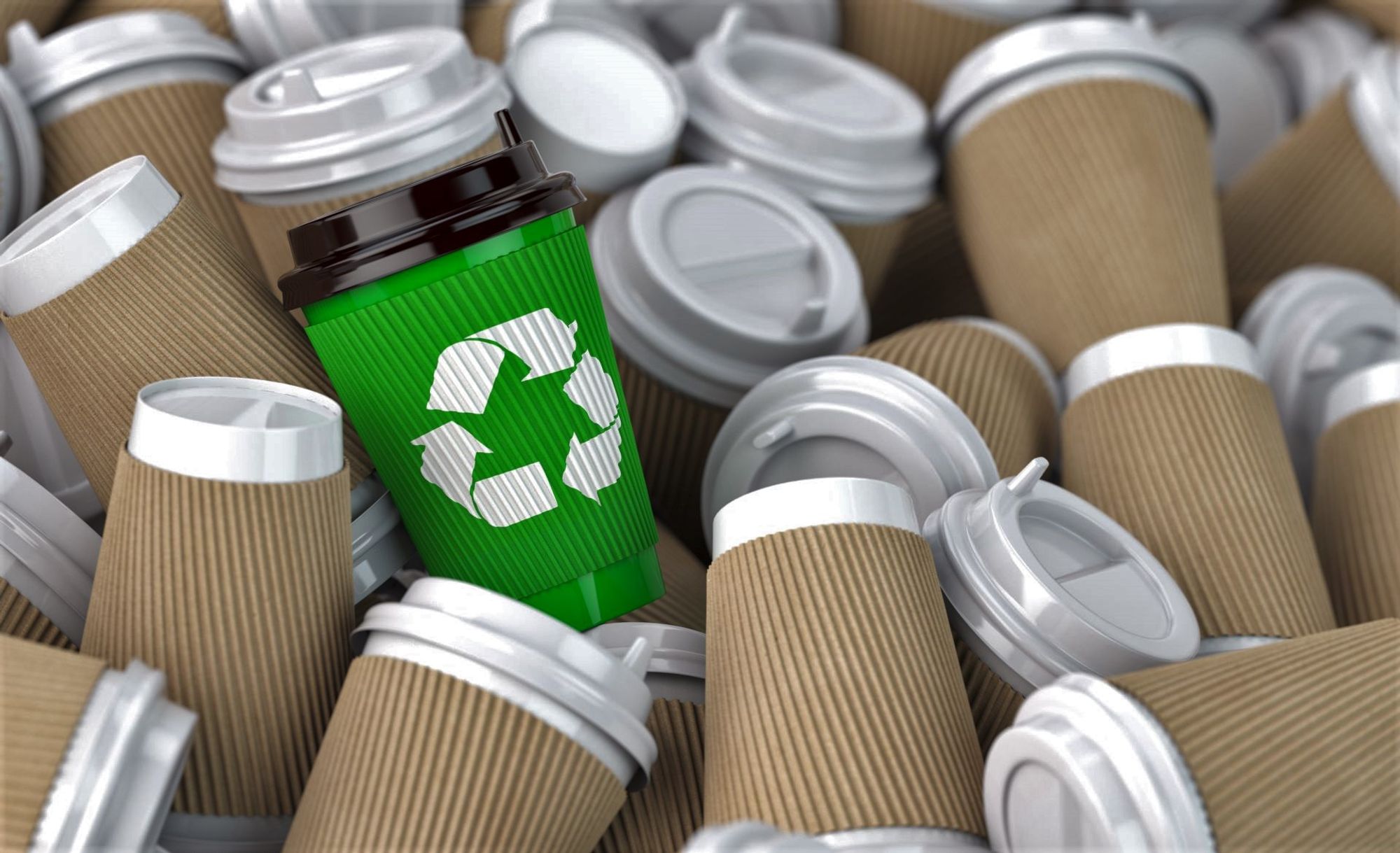
Materials Matter The materials used to package products have a huge impact on the environment. Plastics like polyethylene terephthalate (PET) and high-density polyethylene (HDPE) are commonly used for water bottles, food containers and more. While durable and inexpensive, most plastic packaging is not recycled and ends up polluting our oceans and landscapes. Glass is heavier to ship but can be recycled endlessly without loss of quality. Aluminum is also highly recyclable and takes much less energy to produce from recycled material versus primary ore. Choosing packaging made from reusable, recycled, and recyclable materials is one of the best things consumers can do to reduce waste. Designed for a Second Life Smart recycling design further increases recycling rates. Plastic bottles with molded neck rings instead of separate caps means one piece goes in the bin instead of two. Paperboard cartons that separate cleanly into paper and plastic or aluminum components after use ensure each material can be effectively sorted at recycling facilities. Labels that peel off cleanly don't contaminate otherwise recyclable containers. Thoughtful design of easier-to-empty packaging reduces residue waste too. Recyclability should be a primary consideration, on par with cost, durability and graphics, when developing new packaging or redesigning existing items. With some creativity, brands can meet sustainability goals without sacrificing performance or shelf appeal. Easily Identifiable For Recyclable Packaging programs to work efficiently, consumers must be able to easily identify the types of materials their empty packages are made of. Plastic resin codes imprinted on containers eliminate confusion about whether an item is PET, HDPE or other plastic. Clearly labeling glass, aluminum and paperboard with their generic names rather than vague terms like "composite packaging" ensures items end up in the proper recycling stream. Numbers and symbols are internationally standardized to foster global understanding. consistency. Education remains important too, and brands can play a role by clearly explaining preferred disposal methods right on packages or with in-store signage and digital guides. Making recycling simple boosts participation rates. High Impact Changes While subtle design and labeling adjustments can improve recycling outcomes, bolder packaging transformations deliver even bigger benefits. Some brands are replacing problematic black plastic trays, which are difficult to recycle, with clear PET alternatives. Others invest in deposit return schemes where consumers pay a small additional fee, then reclaim their money by returning empties. This approach supports very high recovery rates for beverage containers. Switching to refillable or reusable packaging models avoids single-use waste altogether and aligns with sustainability values important to many consumers. The environmental impacts of bold packaging changes deserve greater consideration and support from policymakers and retailers. Continuous Innovation Recyclable packaging alone is not enough - the full production cycle must become more sustainable. Researchers constantly explore new post-consumer recycled content sources and innovative material applications. Bioplastics from agricultural byproducts show promise as a renewable plastic alternative. Compostable materials ensure natural breakdown with no toxicity. Advances in recycling technology like improved sorting equipment and chemical recycling expand what can successfully rejoin the circular economy. With dedicated research and development funding, the possibilities are endless. As solutions emerge, leading brands will proactively pilot and scale innovations to realize a shared brand-consumer vision of fully closed loop packaging systems. Consumer Recyclable Packaging Ultimately individual participation remains critical for recycling infrastructure to fulfill its potential. Brand communication should motivate environmentally-minded purchases and proper disposal with appealing calls to action. In-store displays, digital guides and educational campaigns teach simple steps. Telling recycling success stories highlights tangible impact and community benefits. Brand partnerships with municipal programs showcase collective progress.
In empowered consumers become recycling ambassadors inspiring positive peer behavior change. With aligned efforts across the value chain, recycling can move from afterthought to aspirational consumer lifestyle supported by a package design revolution prioritizing the planet over pump-and-dump.
Get more insights: Recyclable Packaging
About Author:
Priya Pandey is a dynamic and passionate editor with over three years of expertise in content editing and proofreading. Holding a bachelor's degree in biotechnology, Priya has a knack for making the content engaging. Her diverse portfolio includes editing documents across different industries, including food and beverages, information and technology, healthcare, chemical and materials, etc. Priya's meticulous attention to detail and commitment to excellence make her an invaluable asset in the world of content creation and refinement.
(LinkedIn- https://www.linkedin.com/in/priya-pandey-8417a8173/)