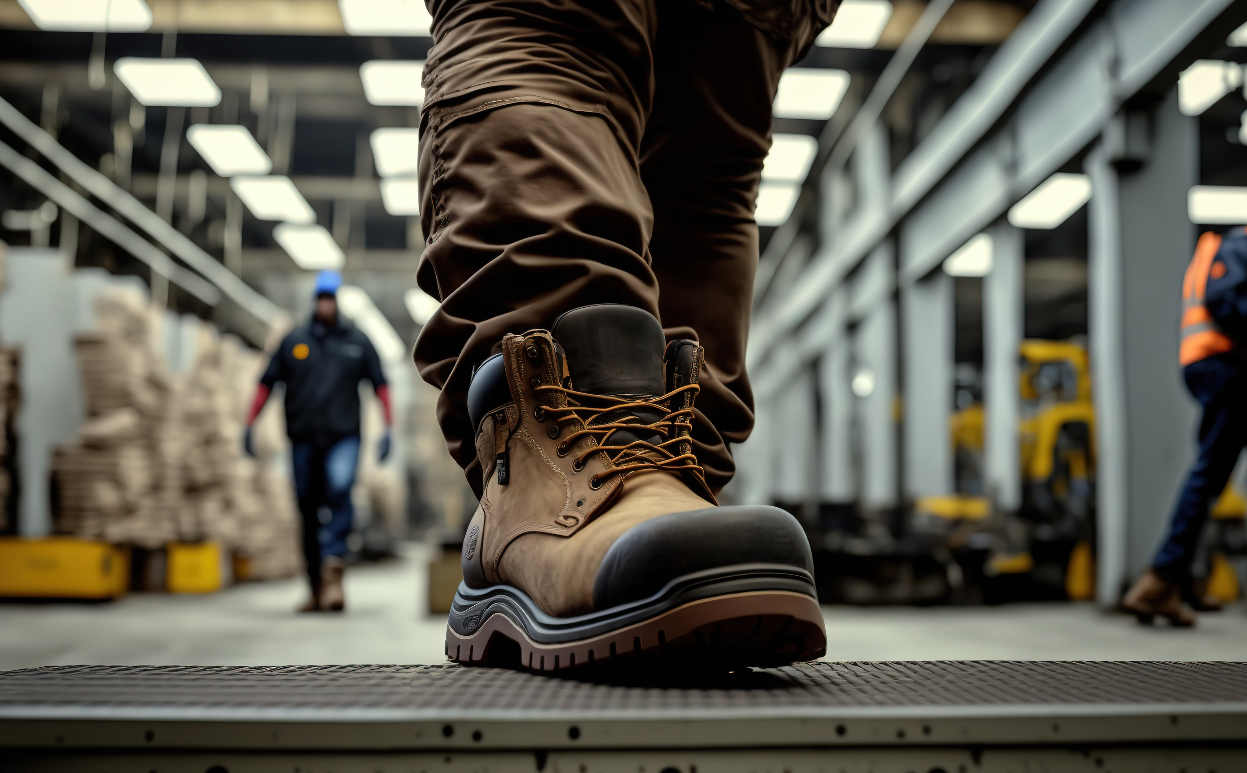
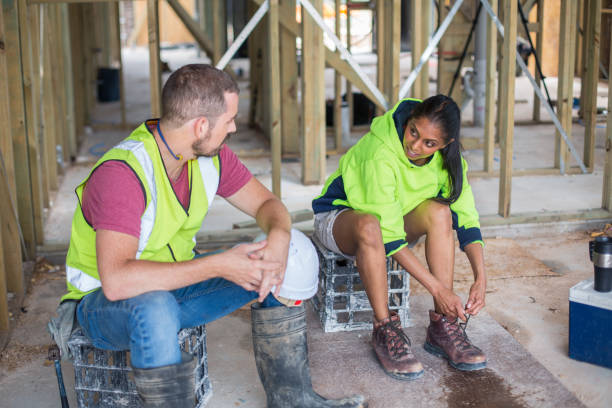
When selecting work boots, striking the right balance between comfort and durability is essential, particularly in demanding professions like welding. Welding boots must endure extreme conditions, including high heat and metal shards, while also providing all-day comfort. Here’s a detailed comparison of comfort versus durability in work boots to help you make an informed decision. 1. Understanding Comfort: Comfort in work boots is crucial for anyone who spends extended hours on their feet. Key factors contributing to comfort include cushioning, arch support, and fit. High-quality insoles with ample cushioning can absorb shock and reduce foot fatigue. Arch support is vital for maintaining proper posture and preventing foot strain. A well-designed boot with a secure fit prevents blisters and discomfort, especially during long shifts. For professions like welding, where prolonged standing and walking are common, these comfort features are indispensable. 2. Assessing Durability: Durability refers to the boot’s ability to withstand wear and tear from harsh work environments. For welding boots, durability means resistance to heat, abrasion, and impact. Materials like full-grain leather or synthetic composites provide robust protection and longevity. Reinforced seams and sturdy outsoles enhance the boot’s lifespan, ensuring it can handle extreme conditions without breaking down. In high-impact jobs or those involving heavy machinery, durability is a key factor in preventing accidents and maintaining long-term performance. 3. Balancing Comfort and Durability: Finding the right balance between comfort and durability involves understanding how these attributes interact. Boots designed for high durability often use tough materials that may initially be less flexible, affecting comfort. However, many modern work boots integrate advanced materials and technologies that offer both durability and comfort. For example, boots with shock-absorbing midsoles and cushioned footbeds can provide comfort without compromising on ruggedness. Look for features such as dual-density outsoles, which offer cushioning while maintaining durability. 4. Material Considerations: The choice of materials plays a significant role in balancing comfort and durability. Full-grain leather is renowned for its durability and can be made comfortable with proper padding and linings. Meanwhile, synthetic materials often provide flexibility and lighter weight, which can enhance comfort but may not always match the durability of leather. Evaluate the material based on your specific work conditions and requirements. 5. Personal Preference and Fit: Ultimately, the choice between comfort and durability can be influenced by personal preference and the specific demands of your job. Try on different boots and assess how they feel during wear. Consider factors such as the boot’s flexibility, weight, and how well it accommodates your foot shape. In summary, comparing comfort and durability in work boots requires evaluating your specific needs and preferences. For welders and other professionals, finding a boot that offers a blend of both attributes is key to maintaining safety and comfort throughout demanding workdays."