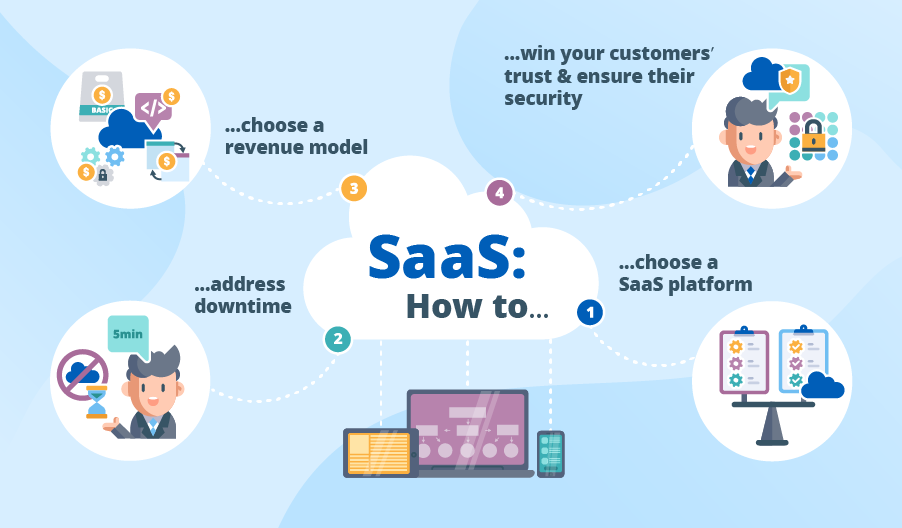


As the demand for Software as a Service (SaaS) solutions continues to grow, SaaS development companies are becoming integral to business success. However, these companies face various challenges that can impact their ability to deliver effective solutions. This article explores the key challenges in the SaaS development landscape and how companies are adapting to meet these obstacles head-on.
Key Challenges in SaaS Development
Rapid Technological Advancements
The tech industry evolves at an unprecedented pace, making it difficult for SaaS development companies to keep up. Staying current with new technologies, frameworks, and industry standards is essential but can strain resources and impact project timelines.
Intense Competition
As more businesses turn to SaaS solutions, the market has become saturated with competitors. SaaS development companies must differentiate themselves through unique offerings and exceptional service while managing pricing pressures that can erode margins.
User Experience Expectations
In a world driven by customer-centric design, users expect intuitive and seamless experiences. Developing applications that meet these high standards requires significant investment in user research and design, which can extend development timelines.
Data Security and Compliance
With increasing scrutiny on data privacy, SaaS development companies must prioritize security and ensure compliance with regulations such as GDPR and HIPAA. Implementing robust security measures involves complexities that can slow down development processes.
Scalability Challenges
Many organizations adopt SaaS solutions to support growth. However, ensuring that applications can scale effectively without compromising performance is a significant challenge. SaaS development companies must design their architectures to accommodate varying usage patterns and increasing user demands.
Managing Client Expectations
Clients often have high expectations concerning project timelines, features, and outcomes. Misaligned expectations can lead to dissatisfaction and strain the client-developer relationship. Clear communication and project management are essential to navigate this challenge.
Strategies for Overcoming Challenges
Continuous Learning and Innovation
To address rapid technological changes, SaaS development companies invest in continuous training and upskilling for their teams. Encouraging innovation and experimentation fosters a culture that embraces new technologies, allowing companies to stay ahead of the curve.
Niche Specialization
With intense competition, focusing on niche markets can help SaaS companies stand out. By developing specialized solutions tailored to specific industries or business functions, companies can cultivate a loyal customer base and reduce direct competition.
Prioritizing User-Centric Design
Incorporating user feedback into the development process is crucial. SaaS companies can implement iterative design techniques, allowing them to refine user experiences based on real-world usability testing and feedback.
Implementing Robust Security Protocols
To manage data security and compliance, SaaS development companies should prioritize security from the start. Integrating security measures into the development lifecycle helps mitigate risks and ensures compliance with regulations.
Building Scalable Solutions
Companies should adopt cloud-native architectures to facilitate scalability. This involves designing systems that can handle increased workloads without sacrificing performance, ensuring clients can grow without disruptions.
Enhancing Communication
To manage client expectations effectively, SaaS development companies must maintain transparent communication throughout the project lifecycle. Regular updates, progress reports, and collaborative discussions can help align expectations and foster trust.
The Future of SaaS Development Companies
The challenges faced by SaaS development companies underscore the importance of adaptability and innovation. As the industry continues to evolve, companies that rise to meet these challenges will find ample opportunities for growth and success.
Conclusion
While SaaS development companies encounter various significant challenges, their ability to navigate these obstacles will define their success in the evolving digital landscape. By prioritizing continuous learning, user experience, and robust security, these companies are well-positioned to meet the needs of their clients, ultimately driving the future of SaaS solutions.