


Brick pointing is an essential process that keeps your brick structures strong and looking great. It involves repairing the mortar joints between bricks, which can wear down over time. By maintaining these joints, brick pointing not only keeps your home safe but also enhances its appearance. Whether you have a brick wall, chimney, or any other brick structure, ensuring that the mortar joints are in good shape is crucial.
What Is Brick Pointing?
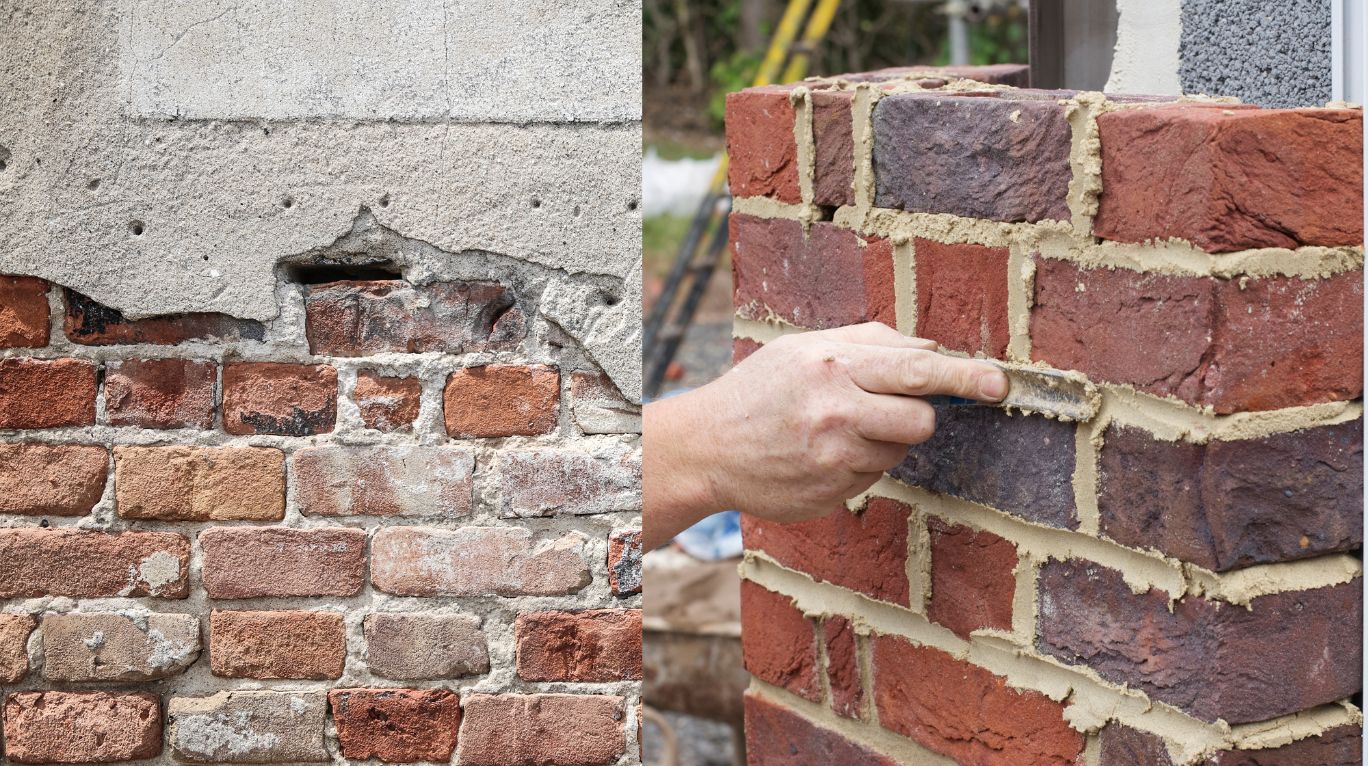
Brick pointing is the process of removing old, damaged mortar from the joints between bricks and replacing it with fresh mortar. This is done to maintain the structural integrity of the brickwork. Over time, weather conditions like rain, snow, and extreme temperatures can cause the mortar to crack and crumble. If left unchecked, this deterioration can lead to more significant problems, like loose bricks or even the collapse of the structure.
Why Is Brick Pointing Important?
Keeping your brickwork in good condition is vital for several reasons:
- Prevents Water Damage: Damaged mortar joints can allow water to seep into the brickwork. This can lead to serious problems like mold growth and structural weakening.
- Enhances Appearance: Freshly pointed bricks look clean and well-maintained, improving the overall look of your home.
- Increases Longevity: Regular brick pointing can significantly extend the life of your brick structures by preventing further damage.
Signs Your Brickwork Needs Pointing
Knowing when your brickwork needs pointing is crucial. Here are some signs to look out for:
- Cracks in the Mortar: If you notice cracks in the mortar, it’s time to consider brick pointing.
- Loose Bricks: When bricks start to come loose, it means the mortar has weakened.
- Water Leaks: Water stains or leaks in brick walls or chimneys can indicate that the mortar is no longer sealing the bricks properly.
- Visible Gaps: Gaps between bricks are a clear sign that the mortar needs attention.
The Brick Pointing Process
Brick pointing is a multi-step process that requires attention to detail:
- Inspection: A thorough inspection of the brickwork is done to identify areas that need repair.
- Removing Old Mortar: The old, damaged mortar is carefully removed from the joints.
- Mixing New Mortar: New mortar is mixed to match the original color and consistency.
- Filling Joints: The new mortar is applied to the joints using a pointing trowel.
- Finishing Touches: The joints are smoothed and shaped to match the existing brickwork.
Hiring Brick Pointing Contractors
While brick pointing might seem like a simple task, it’s best done by professionals. Brick pointing contractors have the experience and tools needed to do the job right. They can assess the condition of your brickwork, choose the right materials, and ensure that the work is completed to a high standard.
Benefits of Professional Brick Pointing
Hiring professionals for your brick pointing project has several advantages:
- Quality Workmanship: Professionals ensure that the mortar matches the existing brickwork and that the job is done neatly and efficiently.
- Time-Saving: A professional team can complete the work much faster than a DIY project, minimizing disruption to your home.
- Long-Lasting Results: Properly done brick pointing can last for many years, protecting your home from damage.
Maintaining Brickwork After Pointing
After your brick pointing project is complete, it's important to maintain the brickwork to ensure it stays in good condition:
- Regular Inspections: Check your brickwork annually for signs of wear and tear.
- Keep It Clean: Remove dirt and debris from your brick walls to prevent damage.
- Seal the Bricks: Consider applying a sealant to protect the bricks from moisture and weathering.
Common Mistakes in Brick Pointing
Even though brick pointing is straightforward, mistakes can happen. Here are some common ones to avoid:
- Using the Wrong Mortar: The new mortar should match the existing one in color and strength. Using the wrong type can lead to further damage.
- Not Removing Enough Old Mortar: If too little of the old mortar is removed, the new mortar won’t bond properly.
- Rushing the Job: Brick pointing requires patience. Rushing through it can result in a poor finish and reduced durability.
Cost of Brick Pointing
The cost of brick pointing can vary depending on the size of the project and the condition of the brickwork. On average, you can expect to pay between $5 and $25 per square foot. While it may seem expensive, the benefits of maintaining your brickwork far outweigh the costs.
DIY vs. Professional Brick Pointing
You might be tempted to tackle brick pointing on your own, but there are some important things to consider:
- Skill Level: Brick pointing requires precision and experience. A professional will have the necessary skills to ensure a lasting repair.
- Tools: Proper tools are essential for brick pointing. While you can rent or buy them, professionals already have the right equipment.
- Time Commitment: Brick pointing can be time-consuming, especially for larger projects. Professionals can complete the job quickly and efficiently.
Conclusion
Brick pointing is an essential maintenance task that keeps your brick structures strong and looking their best. Whether you're dealing with a historic building or a modern home, maintaining the mortar joints is key to preserving the integrity and beauty of the brickwork. By hiring experienced brick pointing contractors, you can ensure that the job is done right, saving you time and money in the long run. Regular maintenance and prompt repairs will keep your brickwork in top condition for years to come.
Frequently Asked Questions (FAQs)
1. How often should brick pointing be done?Brick pointing should typically be done every 20 to 30 years, but it depends on the climate and the condition of the mortar.
2. Can brick pointing be done in winter?Brick pointing is best done in mild weather. Cold temperatures can affect the mortar’s ability to set properly.
3. How long does brick pointing take to complete?The duration of a brick pointing project depends on the size and condition of the brickwork, but most projects can be completed in a few days.
4. Is brick pointing the same as tuckpointing?No, brick pointing involves repairing mortar joints, while tuckpointing involves adding new mortar over the existing joints to improve appearance.
5. Can I do brick pointing myself?While DIY brick pointing is possible, it's recommended to hire professionals to ensure the job is done correctly and lasts longer.

Unique General Construction is an occupied-service renovation contracting industry specializing in residential, commercial, and industrial properties.
With over 10 years in the electrical and construction field, we at Unique General Construction have acquired the information and attention to point that has provided us with the opportunities to work with different businesses and residential areas across New York.