In the world of digital media, special effects have become a cornerstone of storytelling, transforming the ordinary into the extraordinary. Whether it's creating breathtaking visuals for films, engaging animations for advertisements, or captivating content for social media, mastering special effects techniques is essential for any aspiring animator or filmmaker. This article explores key special effects techniques, including rotoscoping and green screen technology, and how they can elevate your projects. This knowledge is particularly valuable for those pursuing a 2D & 3D Animation course in Mumbai.
Table of Contents
- The Importance of Special Effects in Storytelling
- Rotoscoping: The Art of Frame-by-Frame Animation
- 2.1 What is Rotoscoping?
- 2.2 Applications of Rotoscoping
- Green Screen Technology: Keying and Compositing
- 3.1 How Green Screen Works
- 3.2 Best Practices for Green Screen Shooting
- Motion Capture: Bringing Characters to Life
- Digital Effects: Enhancing Reality
- Practical Effects: The Magic of In-Camera Tricks
- Combining Techniques for Stunning Results
- Conclusion: The Future of Special Effects in Animation
The Importance of Special Effects in Storytelling
Special effects (SFX) play a vital role in modern storytelling across various media platforms. They enhance the visual narrative by adding elements that are either impossible or impractical to capture through traditional filming techniques. From creating fantastical worlds in animated films to adding dramatic flair to live-action sequences, special effects are essential for engaging audiences and enriching the storytelling experience. For students pursuing a 2D & 3D Animation course in Mumbai, understanding the importance of special effects is crucial. These techniques not only improve the quality of visual content but also allow creators to explore their artistic vision more freely. By mastering special effects, students can elevate their projects and stand out in a competitive industry.
Rotoscoping: The Art of Frame-by-Frame Animation
What is Rotoscoping?
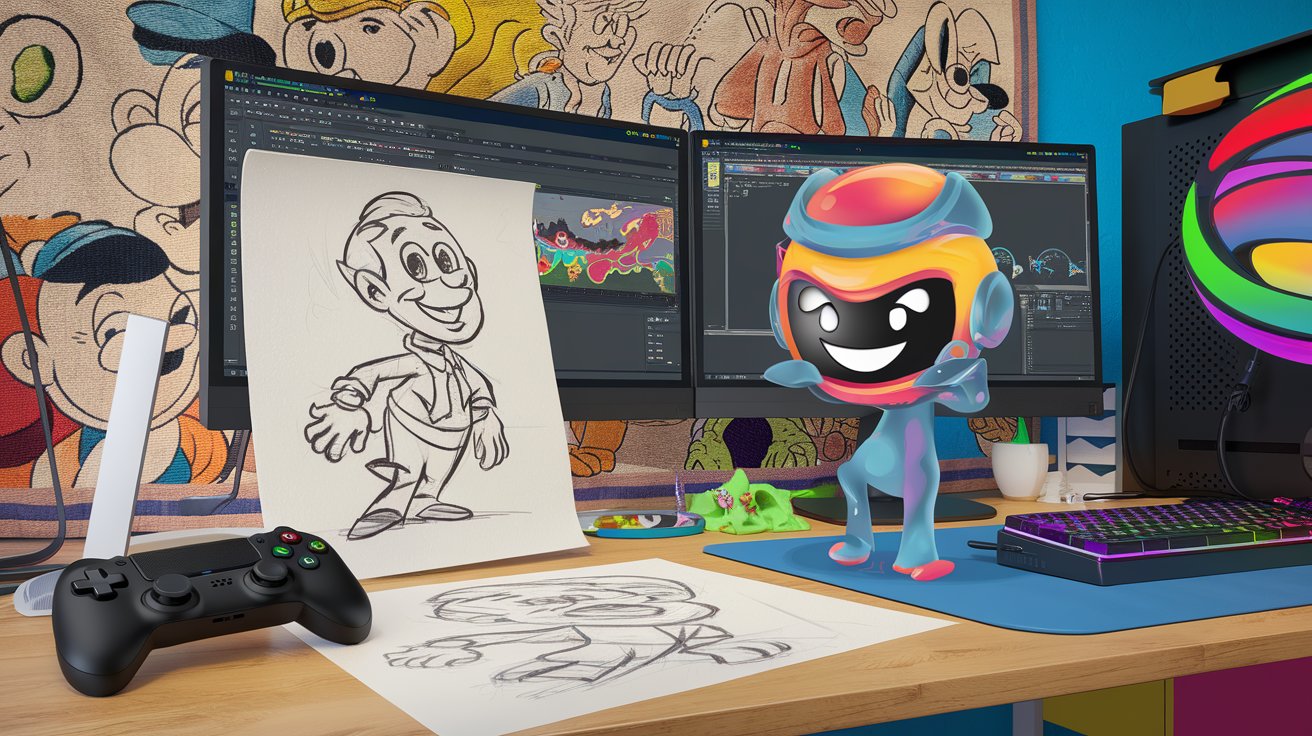
Rotoscoping is a traditional animation technique that involves tracing over live-action footage frame by frame to create realistic animations. This method allows animators to capture intricate movements and details, resulting in a unique blend of animation and live-action. The technique was first popularized by Max Fleischer in the early 20th century and has since been used in numerous films and animations. Rotoscoping can be labor-intensive, requiring patience and precision. However, it provides animators with a powerful tool for creating dynamic and lifelike animations. This technique is particularly useful for projects that require a blend of animation and live-action footage, allowing for seamless integration of animated elements into real-world environments.
Applications of Rotoscoping
Rotoscoping is used in various applications, including:
Visual Effects: Rotoscoping is often employed to isolate elements in a scene, such as characters or objects, for compositing with other visual effects. This technique allows for the creation of stunning visuals that enhance the storytelling experience. Animation: Many animated films and series utilize rotoscoping to create realistic character movements. By tracing over live-action footage, animators can achieve lifelike animations that resonate with audiences. Music Videos: Rotoscoping is frequently used in music videos to create visually striking effects that complement the music. The technique allows for creative expression, blending animation with live performance. By mastering rotoscoping, students in a 2D & 3D Animation course in Mumbai can expand their skill set and enhance their ability to create captivating animations.
Green Screen Technology: Keying and Compositing
How Green Screen Works
Green screen technology, also known as chroma keying, is a widely used technique in film and video production that allows creators to replace a solid-colored background (usually green or blue) with a different image or video. This technique enables filmmakers to place actors in fantastical environments or create complex visual effects without the need for elaborate sets. The process involves filming subjects in front of a green screen and then using software to remove the green background, leaving only the subject visible. This allows for seamless integration of the subject into new backgrounds, creating the illusion of a different environment.
Best Practices for Green Screen Shooting
To achieve the best results with green screen technology, it’s essential to follow certain best practices: Lighting: Even and consistent lighting is crucial for eliminating shadows and ensuring that the green screen is evenly lit. This helps to avoid artifacts during the keying process and ensures a clean separation between the subject and the background. Distance: Positioning the subject at an appropriate distance from the green screen helps to minimize green spill on the subject. This is important for maintaining natural skin tones and preventing unwanted color casts. Wardrobe Choices: Avoiding green clothing or accessories is essential, as these elements will also be keyed out during the process. Instead, opt for contrasting colors that stand out against the green screen.
By mastering green screen techniques, students in a 2D & 3D Animation course in Mumbai can create visually stunning projects that transport audiences to new worlds.
Motion Capture: Bringing Characters to Life
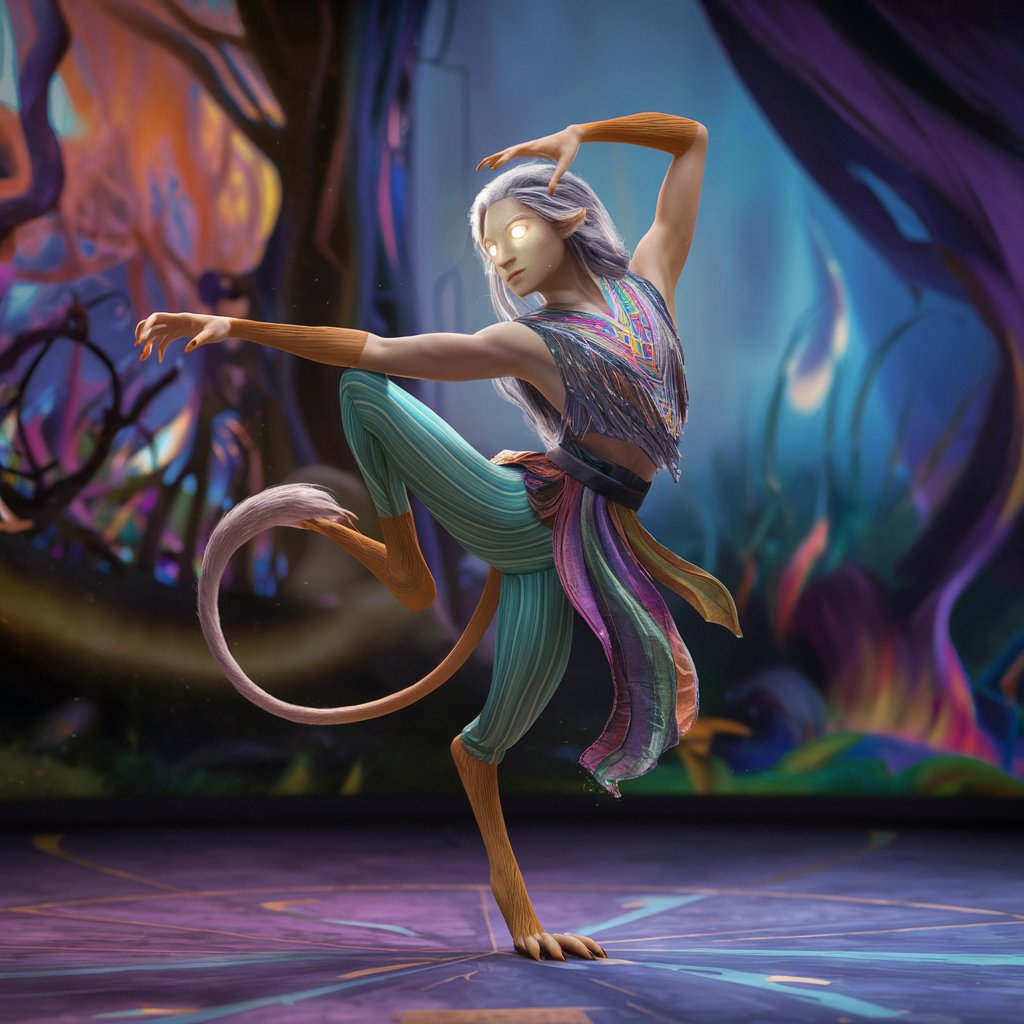
Motion capture (mo-cap) is a technique that records the movements of actors and translates them into digital character animations. This technology allows animators to create realistic movements and expressions for characters, enhancing the authenticity of animated films and video games. Motion capture systems use sensors and cameras to track the movements of actors in real-time. The captured data is then applied to 3D character models, resulting in lifelike animations that mimic the nuances of human movement. This technique has been used in numerous blockbuster films, including the "Avatar" series and various superhero movies.
For students pursuing a 2D & 3D Animation course in Mumbai, understanding motion capture technology is essential for staying current in the industry. By learning how to integrate motion capture into their workflows, aspiring animators can create more immersive and engaging character animations.
Digital Effects: Enhancing Reality
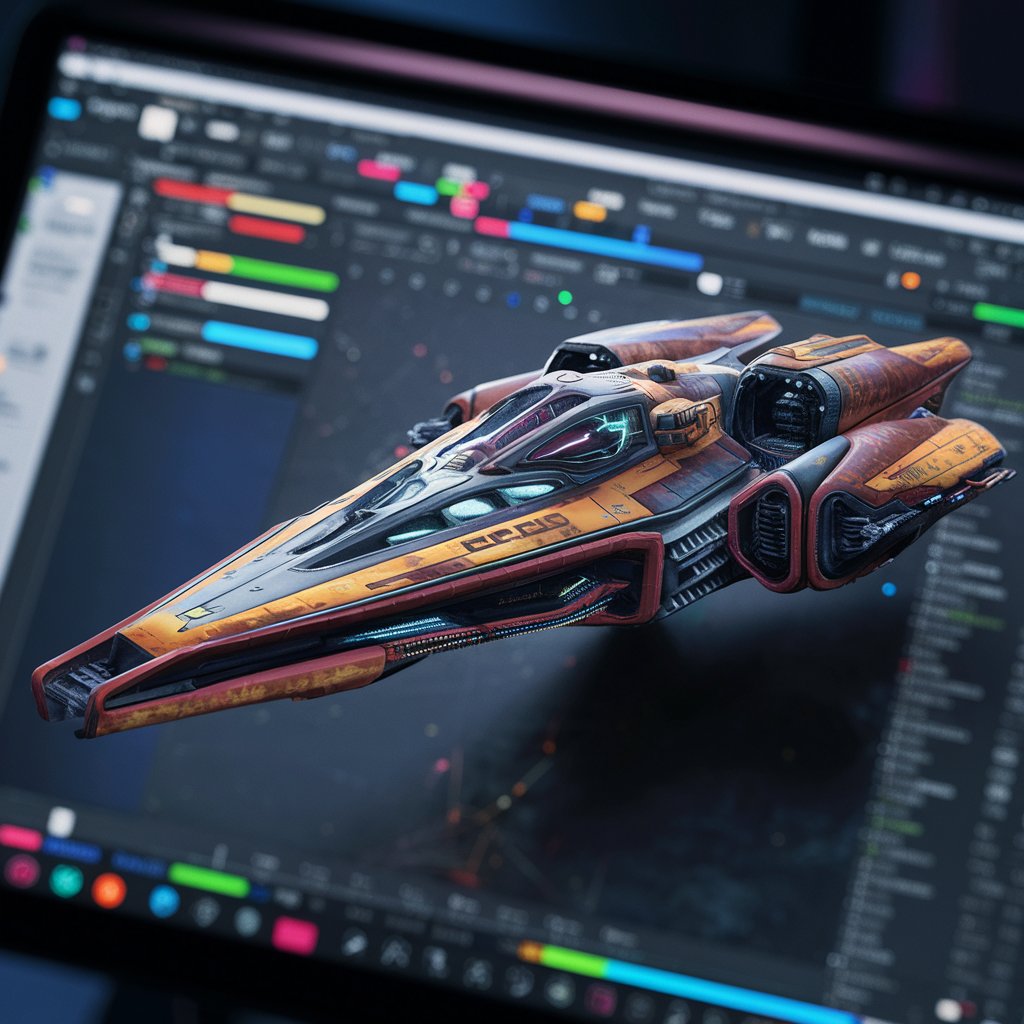
Digital effects are an essential aspect of modern filmmaking and animation. These effects can range from subtle enhancements, such as color correction and image stabilization, to elaborate visual effects that create entirely new worlds.
Digital effects allow creators to manipulate footage in previously impossible ways, enabling them to enhance the visual storytelling experience. Techniques such as particle effects, fluid simulations, and 3D rendering can be combined with traditional animation methods to create breathtaking visuals. By mastering digital effects, students in a 2D & 3D Animation course in Mumbai can expand their creative toolkit and elevate their projects to new heights.
Practical Effects: The Magic of In-Camera Tricks
While digital effects have become increasingly popular, practical effects remain a vital part of filmmaking and animation. Practical effects are created in-camera, using physical props, models, and techniques to achieve desired visual outcomes. This approach often adds a tangible quality to the visuals, enhancing the overall realism of the project.
Examples of practical effects include miniatures, animatronics, and pyrotechnics. Filmmakers often combine practical effects with digital effects to achieve a seamless blend of reality and fantasy. Understanding how to use practical effects effectively can give students an edge in their creative endeavors. Combining Techniques for Stunning Results
The true magic of special effects lies in the ability to combine various techniques to create stunning results. By blending rotoscoping, green screen technology, motion capture, digital effects, and practical effects, creators can craft visually captivating narratives that engage and inspire audiences. For students pursuing a 2D & 3D Animation course in Mumbai, learning how to integrate these techniques will be invaluable. The ability to draw from a diverse toolkit of special effects methods allows for greater creative expression and the potential to push the boundaries of visual storytelling.
Conclusion: The Future of Special Effects in Animation
As technology continues to advance, the landscape of special effects in animation is constantly evolving. From rotoscoping to green screen technology, understanding these techniques is essential for aspiring animators and filmmakers. Mastery of special effects not only enhances the quality of creative projects but also opens up new opportunities in the industry.
For students enrolled in a 2D & 3D Animation course in Mumbai, investing time in learning and mastering special effects techniques will provide a solid foundation for a successful career in animation and visual storytelling. As the demand for skilled professionals continues to grow, embracing the art of special effects will empower students to create captivating visuals that resonate with audiences and leave a lasting impact. The journey from understanding the basics to mastering advanced techniques is an exciting one, filled with endless possibilities for creativity and innovation in the world of animation.