


Grandfather clocks, with their stately presence and melodious chimes, have long been cherished for their timeless elegance. These magnificent timepieces not only serve as functional clocks but also as works of art that reflect the craftsmanship of their respective periods. In this guide, we'll explore the different styles and periods of antique grandfather clocks, helping you appreciate their historical significance and unique beauty.
The Origins of Grandfather Clocks
Grandfather clocks, also known as longcase clocks, originated in the late 17th century. They quickly became popular in England, where they were crafted by skilled artisans. These early clocks were characterized by their tall wooden cases, which housed the clock mechanism and provided a canvas for intricate designs and carvings. The longcase clock’s pendulum mechanism allowed for greater accuracy, making them a significant advancement in timekeeping.
Key Styles and Periods of Grandfather Clocks
- Early English Grandfather Clocks (1660-1714)These clocks are often the most sought-after by collectors. They feature oak cases with simple, elegant designs. The dials are typically brass with intricate engravings. If you visit an antique clock shop, you'll likely find these early examples commanding high prices due to their historical value.
- Georgian Grandfather Clocks (1714-1830)Georgian clocks, named after the reigns of the four King Georges, are known for their refined aesthetics and improved mechanisms. Mahogany and walnut became popular materials, and the dials evolved to include painted scenes and moon phases. The Georgian period also saw the introduction of bracket clocks and dial clocks, which were smaller and more decorative versions suitable for mantels and shelves.
- Victorian Grandfather Clocks (1837-1901)Victorian-era clocks often featured ornate carvings and elaborate designs, reflecting the period's eclectic tastes. This era also saw an increase in the production of mantel clocks for sale, as smaller timepieces became fashionable for domestic settings. Victorian grandfather clocks often include Gothic or Renaissance revival elements, making them highly decorative pieces.
- American Grandfather Clocks (19th Century)American clockmakers began to produce their own versions of grandfather clocks in the 19th century. These clocks were often more affordable and accessible to the middle class. The designs were simpler compared to their European counterparts, but they maintained the elegant and functional characteristics of the classic longcase clock.
Complementary Timepieces: Bracket Clocks and Mantel Clocks
In addition to grandfather clocks, antique clock shops often offer a variety of complementary timepieces such as bracket clocks and mantel clocks. Bracket clocks, designed to sit on a shelf or bracket, are smaller but equally ornate. They were popular in the 18th and 19th centuries and often feature detailed brass dials and wooden cases with intricate inlays.
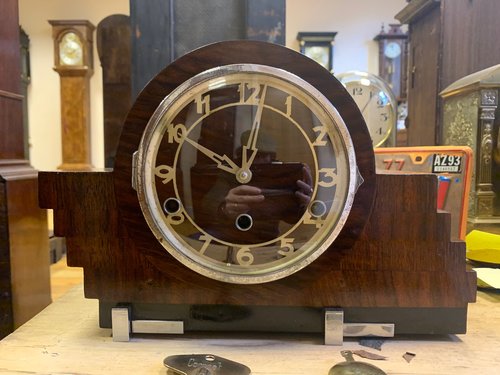
Mantel clocks, as the name suggests, are designed to sit on a mantelpiece. These clocks became particularly popular during the Victorian era and are known for their decorative appeal. They come in a range of styles, from simple and elegant to highly ornate, making them versatile pieces for any home décor.
Caring for Antique Grandfather Clocks
Maintaining an antique grandfather clock requires regular care and attention. Here are some tips to keep your clock in excellent condition:
- Regular Cleaning: Dust the exterior regularly with a soft cloth. Avoid using harsh chemicals that could damage the wood or metal.
- Professional Servicing: Have your clock serviced by a professional every few years. This includes cleaning the internal mechanisms, checking the pendulum, and ensuring the weights and springs are in good condition.
- Proper Placement: Position your clock away from direct sunlight, moisture, and extreme temperature changes to prevent damage to the wood and mechanism.
Conclusion
Antique grandfather clocks are more than just timekeepers; they are historical artifacts that capture the artistry and ingenuity of their time. Whether you're an avid collector or simply appreciate their beauty, understanding the styles and periods of these clocks can deepen your appreciation for their timeless elegance. From early English designs to Victorian masterpieces, each grandfather clock tells a story of craftsmanship and tradition. So, next time you visit an antique clock shop, take a moment to admire these magnificent pieces and consider adding one to your collection.



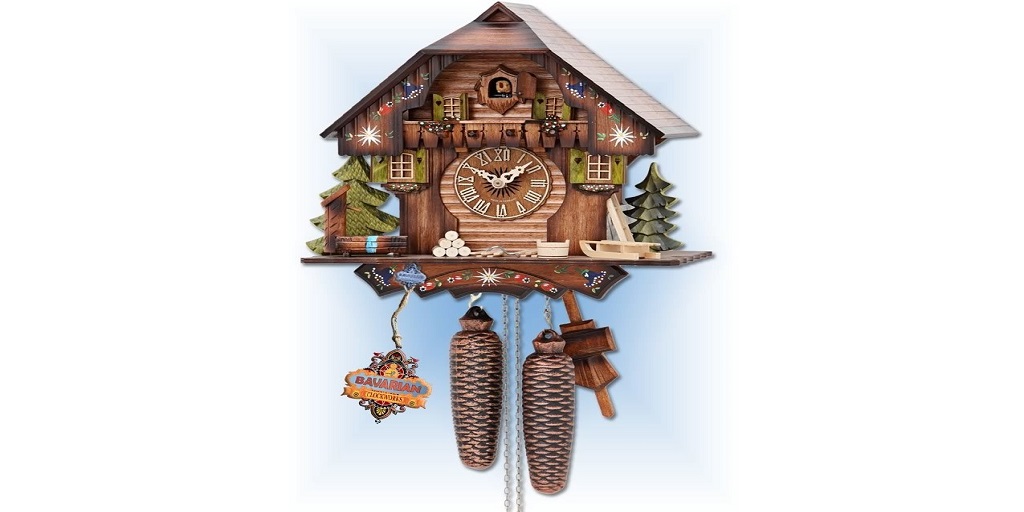
To be considered a certified Authentic Black Forest Cuckoo Clock, a clock must meet certain requirements as prescribed by the Verein die Schwarzwalduhr (VdS), otherwise known as The Black Forest Clock Association.
The clock must also function mechanically without the assistance of batteries or electricity.
Interestingly enough, some cuckoo clocks of the past utilize wooden gears.
Finally, all of the essential clock parts must be produced in the Black Forest excluding music boxes, which are typically produced in Switzerland, a country well known for making fine music boxes.There are many noteworthy clockmakers building VdS Certified Authentic Clocks today, and one of the finest is HEKAS.
Founded in 1938 by visionary Helmut Kammerer, HEKAS has been producing some of the best examples of authentic cuckoo clocks found anywhere in the world.
Every clock produced by Hekas and the Kammerer family is placed on a test wall and thoroughly tested before it leaves the clock factory.