In the fast-evolving landscape of industrial technology, advancements in door systems have transformed how businesses operate. These innovations have enhanced security, efficiency, and safety, making them indispensable in modern industrial settings. From advanced automation to increased durability, industrial door technology has come a long way. One area where these advancements are particularly evident is in shed doors, which have seen significant upgrades. Here’s a look at the top five innovations that are redefining industrial door technology today.
1. Automated Door Systems
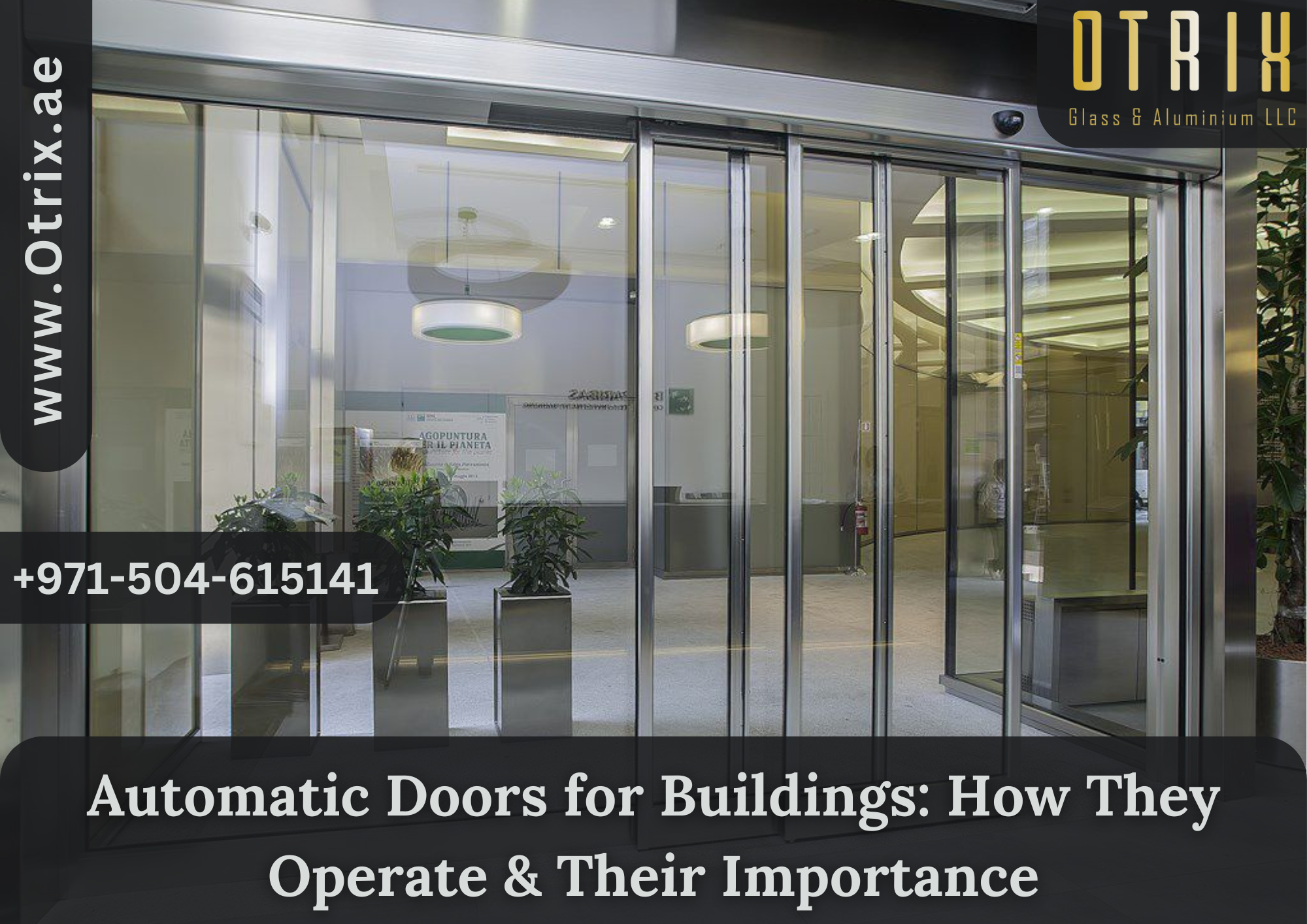
Automation is one of the largest advancements in industrial door technology. Automated doors, which can be operated through remote controls or sensors, offer a seamless experience for users. These systems are designed to open and close automatically, reducing the need for manual intervention and increasing operational efficiency. In high-traffic areas, automated doors help maintain a consistent workflow by eliminating the need to pause door operation. This innovation not only saves time but also enhances security by ensuring that doors close promptly after use, preventing unauthorised access.
2. High-Speed Doors
Speed is critical in industrial environments where time is money. High-speed doors have been developed to address this need, opening and closing rapidly to facilitate quick access. These doors are particularly useful in environments where maintaining temperature control or air quality is crucial, such as in food processing plants or pharmaceutical facilities. By minimising the time the door remains open, high-speed doors reduce the risk of contamination and help maintain controlled environments. Their durability and energy efficiency make them a top choice in various industrial applications.
3. Enhanced Insulation and Energy Efficiency
In recent years, there has been a growing emphasis on energy efficiency across all sectors, and industrial door technology is no exception. Modern industrial doors are designed with advanced insulation materials that help regulate temperatures and reduce energy costs. These insulated doors are particularly beneficial in climates with extreme temperatures, as they prevent heat loss in the winter and keep cool air inside during the summer. By improving thermal insulation, these doors contribute to a more sustainable and cost-effective operation, making them a smart investment for any industrial facility.
4. Advanced Security Features
Security in industrial settings is a top priority, and modern industrial doors are equipped with advanced locking systems, reinforced materials, and tamper-resistant features for enhanced security. Some doors also integrate with access control systems for remote monitoring and control, protecting valuable assets and ensuring only authorised personnel can access restricted areas.
5. Fire-Resistant Doors
In industrial environments, fire-resistant doors are crucial for containing and preventing the spread of fire and smoke. They are made of materials that can withstand high temperatures, providing occupants with more time to evacuate and minimising property damage. These doors are often required by building codes and are essential for comprehensive safety in industrial settings. To get more information about stable doors check out Larnec Doors and Systems.
Conclusion
In summary, advancements in industrial door technology have greatly improved the efficiency, security, and safety of modern industrial operations. Automated systems and fire-resistant features have become essential for various industries. As technology continues to evolve, we can expect more groundbreaking developments in this field, further enhancing the way businesses operate. Investing in these advanced door systems is not just a matter of convenience; it's a strategic move that can boost productivity and ensure the long-term success of industrial operations.




Best Window Installation Toronto Service | weldawindows At WELDA, we make improving your home simple.
From initial design visit to installation, we take care of it all, from start to finish.
Everyone wants quality windows, but not everyone wants the same size or style.
That’s why WELDA offers a full selection of styles that can accommodate any design need or architectural style.
The only factor that won’t differ from style to style, or size to size is the quality.
WELDA is one of the best windows installation Toronto service provider.Why Choose Us:High QualityFair PricingExpert InstallationExcellent WarrantyFront DoorsPatio DoorsFiberglass DoorsSteel DoorsGarden DoorsSliding DoorsOur Door System Service Includes:Honesty, trust and respect.