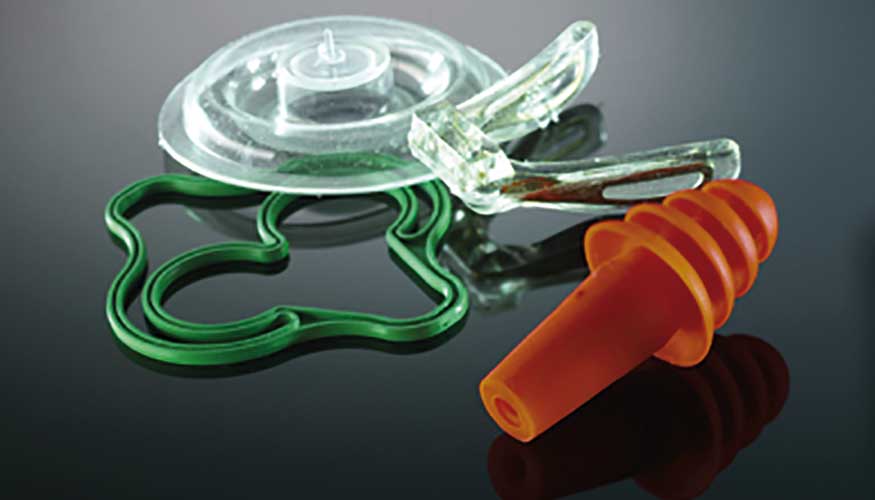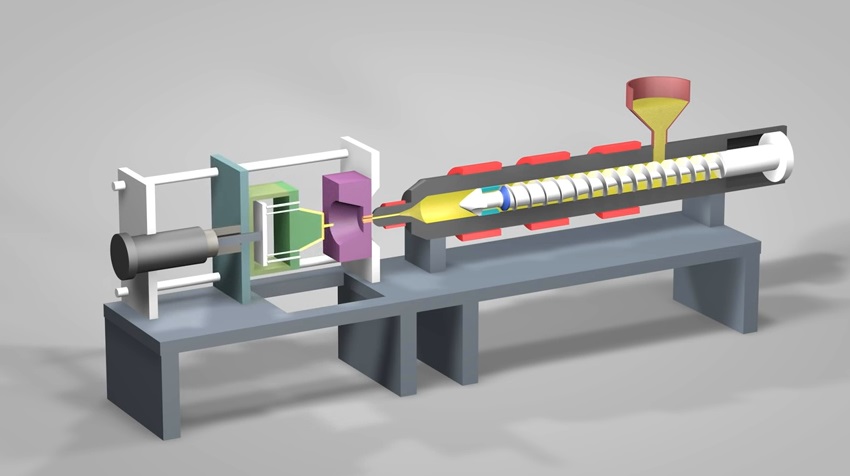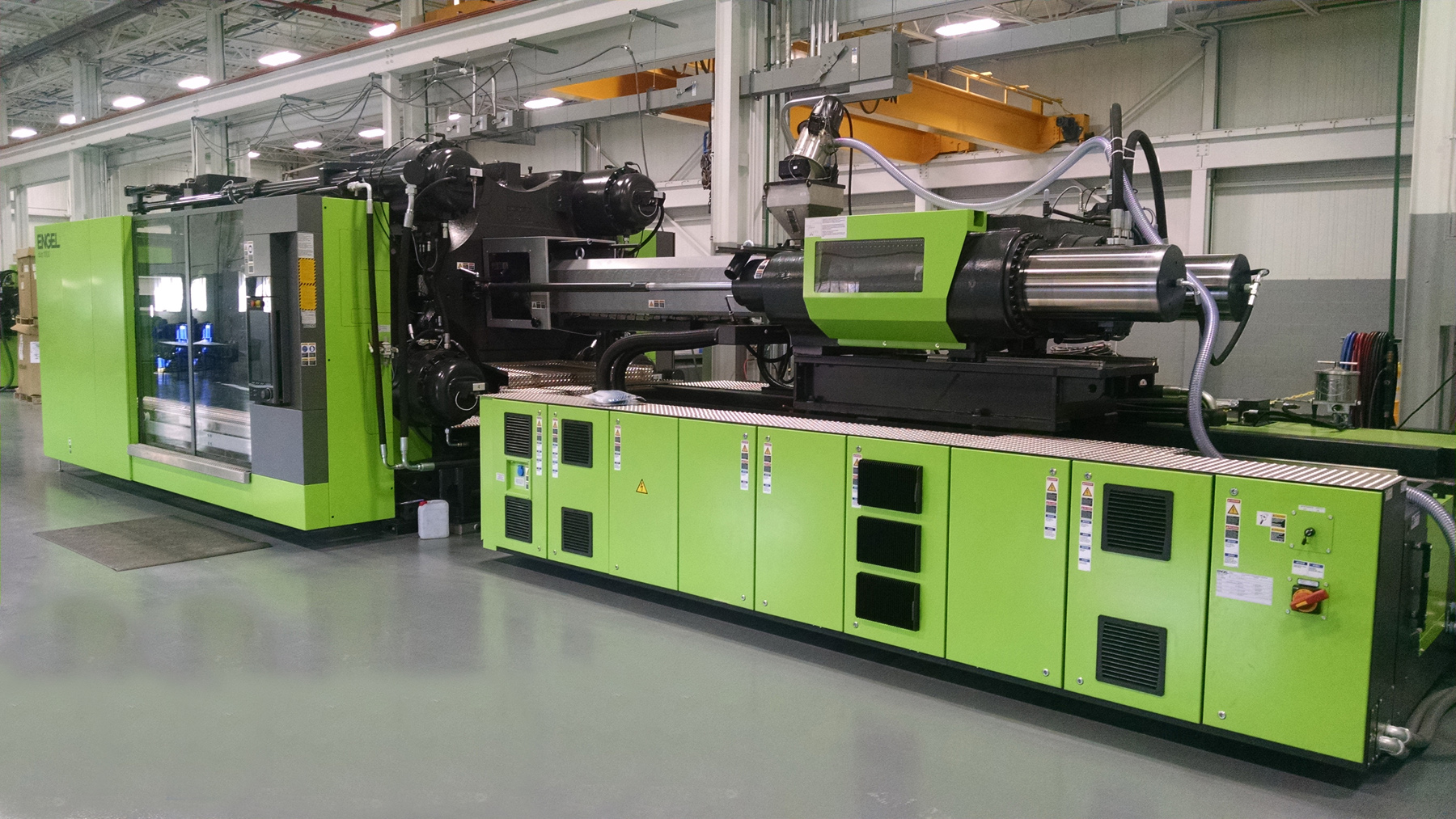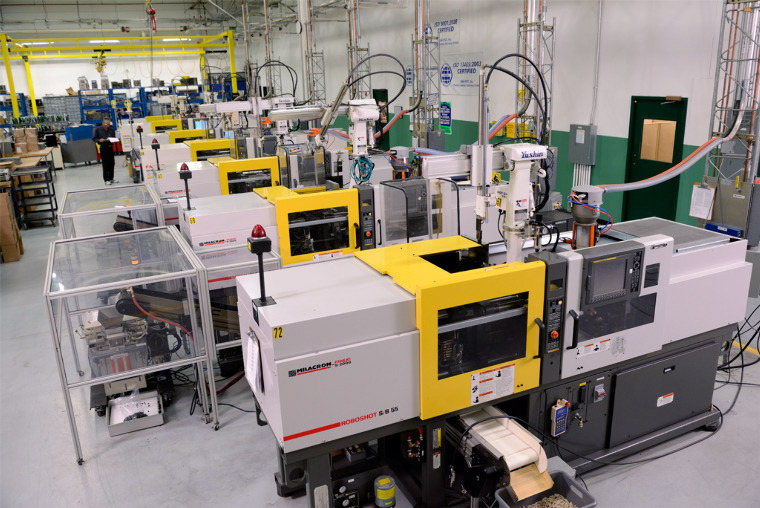
Liquid molding (LIM) is a manufacturing process that uses liquid polymers which are then cured in custom-built molds to manufacture complex plastic parts. This process allows for the production of parts with great precision and with features not possible with other molding methods. How Does the Liquid Injection Molding Process Work? The Liquid Injection Molding process starts with preparing a liquid monomer or polymer mixture. This liquid mixture contains polymer materials dissolved or dispersed in a carrier solution. Common polymers used include epoxy, polyurethane, silicone, and hybrids. The liquid is then injected into a custom-built mold under high pressure. The mold contains the inverse shape of the desired part and typically two mold halves come together to close off all cavities. After injection, the mold and part are transferred to an oven where the polymer-containing liquid is cured and hardened through crosslinking polymerization reactions. Once fully cured, the mold opens and the newly formed solid part can be removed. Key Benefits of Liquid Molding Complex Part Designs Liquid Injection Molding allows for the molding of complex plastic parts with intricately detailed features that would be difficult or impossible to form through other plastic molding methods. Under the molding pressure, the liquid polymer can take on very fine intricate details in the mold. Short Lead Times Compared to other plastic manufacturing processes that use pre-formed plastic pellets or beads, LIM has shorter lead times since it does not require plastic preparation steps like extrusion. The liquid polymers are already in molding condition right out of the container. Dimensional Accuracy With its ability to create microscopic surface details in the mold, LIM provides excellent dimensional accuracy and repeatability in finished parts. Close tolerances of 0.0001 to 0.0005 inches can typically be achieved. Materials Versatility Due to the liquidinjectable nature, LIM process is compatible with a wide range of engineering plastic raw materials including epoxies, polyurethanes, silicones and liquid crystal polymers. This allows formulation of materials with customized properties. Surface Finishes Depending on the mold surface properties, various types of part surface finishes can result from LIM including texture, plated, and soft-touch finishes. Post-molding surface treatments are rarely required. Applications of Liquid Injection Molding Electronics Components In the electronics industry, LIM is commonly used to manufacture small, compact components requiring precision and intricate internal structures. Examples include connectors, sensors, switches and relays. Medical Devices For its material versatility and ability to achieve high precision and cleanliness standards, LIM is well-suited for medical devices. Example applications are IV connectors, stopcocks, valves, and implantable components. Automotive Parts In automotive, LIM produced parts include switches, sensors, seals and gaskets used inside vehicle engines and cabins. Headlamp lenses are also increasingly made by LIM. Appliance Components Components in appliances like washing machines, refrigerators, and dishwashers are frequently manufactured by LIM. Examples are water valves, dispenser parts and gaskets. Industrial Equipment From material handling to factory automation, LIM parts support diverse industrial equipment applications. Common parts are gears, rollers, guides, seals and other mechanical components. Types of Liquid Injection Molding Hot LIM The most common type is hot LIM where the liquid monomer mixture is heated to 50-150°C before injection into the mold. This reduces viscosity for easier mold filling. The primary drawback is risk of flash or overflow due to low viscosity. Warm LIM With warm LIM, the liquid is injected at room or slightly elevated temperatures around 25-40°C. This higher viscosity formulation reduces flash/overflow tendencies but also more filling pressure is required. Cold LIM For demanding micromolding applications, cold LIM at temperatures less than 25°C is used. The formula has high viscosity for precise filling even of very small mold cavities. However, very high injection pressures must be applied. Light-cured LIM This specialized variant uses liquid acrylic or epoxy formulations which are cured using brief exposure to UV or visible light in the mold, instead of heat. Used for heat-sensitive materials or fast cycle times. Liquid molding stands out as a manufacturing process that combines versatility, precision and design freedom unmatched by other plastic forming methods. Its unique ability to injection mold liquids enables complex, high-tolerance parts across many industries from electronics to medical to automotive. Developments in liquid formulations are further expanding its applications scope. With shorter lead times and less wasted material than alternate processes, LIM delivers valuable production efficiencies as well.
Get more insights on Liquid Injection Molding
About Author:
Money Singh is a seasoned content writer with over four years of experience in the market research sector. Her expertise spans various industries, including food and beverages, biotechnology, chemical and materials, defense and aerospace, consumer goods, etc. (https://www.linkedin.com/in/money-singh-590844163)