Utility Locating Services: Ensuring Safety and Compliance
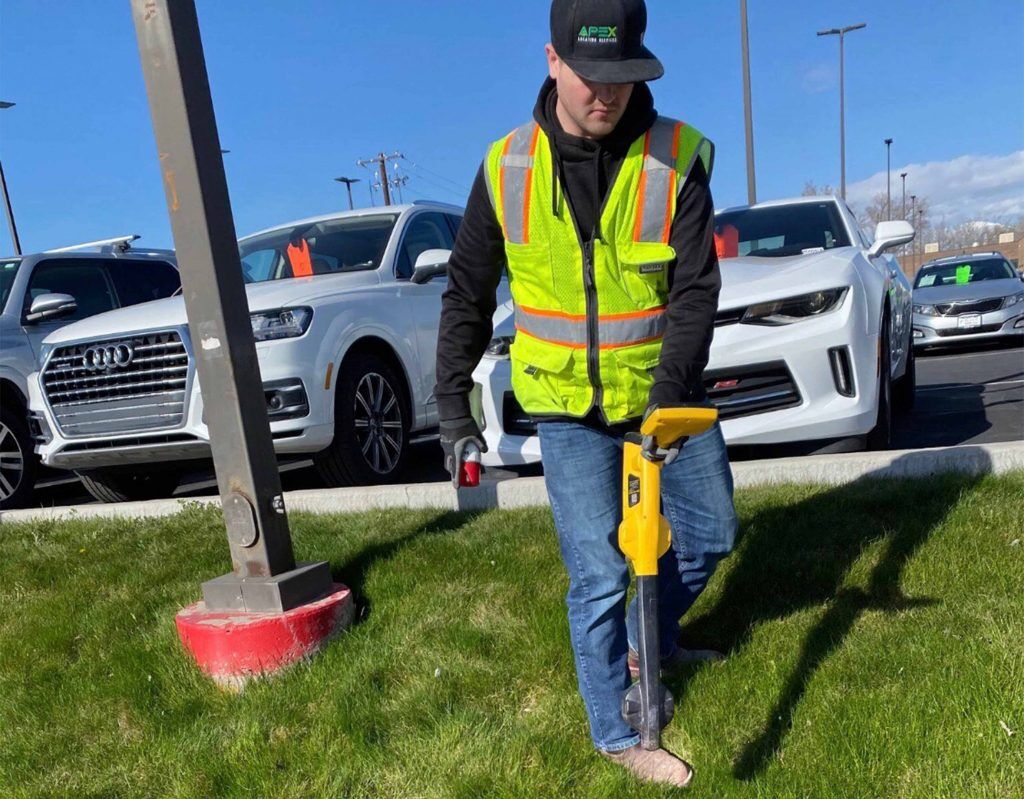
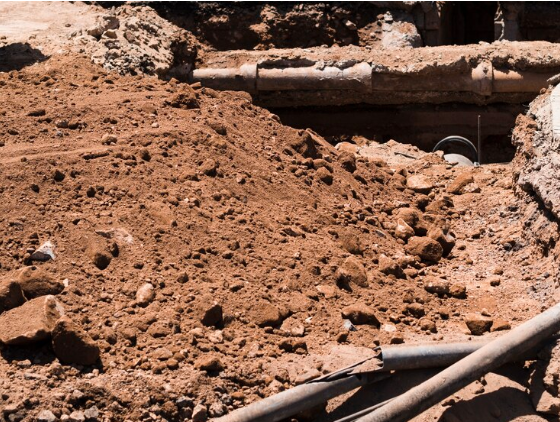
Utility locating services are essential for anyone planning to undertake construction or excavation activities. These services involve the identification and marking of underground utilities such as gas lines, water pipes, electrical cables, and telecommunication lines. By accurately mapping these utilities, private utility locators help prevent accidental damage, ensuring the safety of workers and the public, as well as compliance with regulatory requirements.
Utility locating services are not limited to large-scale construction projects. Homeowners planning renovations, landscaping, or installing a new fence can also benefit from these services. By hiring a private utility locator, you can avoid costly repairs and potential hazards associated with damaging underground utilities.
Moreover, utility locating services are crucial for maintaining the integrity of existing infrastructure. Regular inspections and maintenance can prevent unexpected disruptions and extend the lifespan of utility networks. This proactive approach helps municipalities and utility companies manage their assets more efficiently, reducing the risk of service outages and costly emergency repairs.
Underground Utility Detection: The Technology Behind It
Underground utility detection relies on advanced technology and specialized equipment to accurately locate and map buried utilities. Ground-penetrating radar (GPR) is one of the most commonly used methods. GPR uses electromagnetic waves to detect changes in the subsurface, allowing technicians to create detailed images of underground utilities.
Another widely used technology is electromagnetic induction (EMI). EMI involves sending an electromagnetic signal into the ground and measuring the response. This method is particularly effective for locating metallic utilities such as gas and water pipes. By combining GPR and EMI, private utility locators can provide a comprehensive view of the underground landscape.
In addition to GPR and EMI, other technologies such as acoustic locating and vacuum excavation are also employed. Acoustic locating uses sound waves to detect the presence of utilities, while vacuum excavation involves using high-pressure air or water to safely expose buried utilities. These methods are particularly useful in situations where traditional locating techniques may be less effective.
The use of advanced technology in underground utility detection ensures that private utility locators can provide accurate and reliable results. This precision is crucial for preventing accidental damage and ensuring the safety of construction and excavation activities.
Construction Industry Regulations: Compliance and Best Practices
The construction industry is subject to a wide range of regulations designed to ensure safety and protect the environment. Compliance with these regulations is essential for avoiding fines, legal liabilities, and project delays. One of the key aspects of regulatory compliance is the accurate identification and marking of underground utilities.
Various federal, state, and local regulations govern the process of utility locating. For example, the Occupational Safety and Health Administration (OSHA) has specific guidelines for excavation and trenching activities, which include requirements for identifying and marking underground utilities. Additionally, the Common Ground Alliance (CGA) provides best practices for safe excavation, including the use of private utility locators.
Compliance with construction industry regulations also involves obtaining the necessary permits and adhering to local codes and standards. Private utility locators play a crucial role in this process by providing accurate utility maps and documentation that can be submitted with permit applications. This documentation helps ensure that all regulatory requirements are met, reducing the risk of project delays and legal issues.
In addition to regulatory compliance, following best practices for utility locating can enhance the overall safety and efficiency of construction projects. This includes conducting thorough pre-excavation planning, using appropriate locating techniques, and maintaining clear communication between all parties involved. By prioritizing safety and compliance, construction companies can minimize risks and ensure the successful completion of their projects.
Home Renovations: Avoiding Costly Mistakes
Home renovations often involve digging or excavation work, whether it's for installing a new fence, building an extension, or landscaping. Without proper utility locating, homeowners risk damaging underground utilities, leading to costly repairs and potential hazards. Hiring a private utility locator can help avoid these issues by accurately identifying and marking buried utilities before any work begins.
Utility locating services for home renovations are not only about preventing damage but also about ensuring the safety of everyone involved. Accidental damage to gas lines, for example, can result in dangerous leaks and explosions. Similarly, cutting through electrical cables can cause power outages and pose a serious risk of electrocution. By investing in utility locating services, homeowners can protect their property and the well-being of their families.
In addition to safety, utility locating services can also help homeowners comply with local regulations. Many municipalities have specific requirements for excavation and utility locating, and failure to adhere to these regulations can result in fines and legal issues. By working with a private utility locator, homeowners can ensure that their renovation projects are carried out in accordance with all applicable laws and standards.
Large-Scale Construction Projects: Ensuring Efficiency and Safety
Large-scale construction projects, such as commercial developments, infrastructure improvements, and public works, involve extensive excavation and earthmoving activities. The complexity and scale of these projects make accurate utility locating even more critical. Private utility locators play a vital role in ensuring the efficiency and safety of large-scale construction projects by providing detailed maps of underground utilities.
Accurate utility locating helps construction companies avoid costly delays and disruptions caused by accidental utility damage. For example, hitting a water main or gas line can halt construction activities, leading to project delays and increased costs. By identifying and marking utilities in advance, private utility locators help keep projects on schedule and within budget.
In addition to preventing damage, utility locating services contribute to the overall safety of construction sites. Excavation and earthmoving activities can pose significant risks to workers, and the presence of buried utilities adds another layer of complexity. By providing accurate utility maps, private utility locators help create a safer working environment, reducing the risk of accidents and injuries.
Furthermore, large-scale construction projects often involve multiple stakeholders, including contractors, subcontractors, utility companies, and regulatory agencies. Effective communication and coordination between these parties are essential for the successful completion of the project. Private utility locators facilitate this process by providing clear and accurate utility information that can be shared with all stakeholders.
Municipal Projects: Maintaining Public Infrastructure
Municipal projects, such as road repairs, water and sewer line replacements, and park developments, require careful planning and execution to maintain public infrastructure. Utility locating services are crucial for ensuring that these projects are carried out safely and efficiently. By accurately identifying and marking underground utilities, private utility locators help municipalities avoid disruptions and minimize the impact on residents.
Maintaining public infrastructure often involves working in densely populated areas with complex utility networks. Accurate utility locating is essential for preventing damage to critical services such as water, gas, electricity, and telecommunications. By providing detailed utility maps, private utility locators help municipalities plan and execute their projects with minimal disruption to the community.
In addition to preventing damage, utility locating services can also help municipalities identify potential issues with their utility networks. For example, regular inspections and maintenance can reveal signs of wear and tear, corrosion, or leaks that may require attention. By addressing these issues proactively, municipalities can extend the lifespan of their infrastructure and reduce the risk of costly emergency repairs.
Furthermore, utility locating services support compliance with regulatory requirements for public works projects. Municipalities must adhere to various federal, state, and local regulations, and accurate utility locating is a key component of this compliance. Private utility locators provide the necessary documentation and expertise to ensure that all regulatory requirements are met, reducing the risk of fines and legal liabilities.
Environmental Considerations: Protecting Natural Resources
Construction and excavation activities can have a significant impact on the environment, particularly when it comes to protecting natural resources such as water bodies, forests, and wildlife habitats. Utility locating services play a crucial role in minimizing this impact by ensuring that underground utilities are accurately identified and marked.
Accidental damage to utilities can result in environmental contamination, such as gas leaks, oil spills, or sewage overflows. These incidents can have devastating effects on the surrounding ecosystem, harming plants, animals, and water sources. By providing accurate utility maps, private utility locators help prevent such incidents and protect natural resources.
In addition to preventing environmental damage, utility locating services can also support sustainable construction practices. For example, by accurately mapping utilities, construction companies can plan their activities to minimize disruption to the environment. This may involve avoiding sensitive areas, implementing erosion control measures, or using environmentally friendly excavation techniques.
Furthermore, utility locating services can help identify opportunities for environmental restoration and enhancement. For example, during the planning phase of a construction project, private utility locators can identify areas where utilities may be relocated or upgraded to improve environmental outcomes. This proactive approach supports the long-term sustainability of infrastructure and the protection of natural resources.
Emergency Situations: Rapid Response and Mitigation
In emergency situations, such as natural disasters, utility failures, or accidents, rapid response and mitigation are critical for protecting public safety and minimizing damage. Utility locating services play a vital role in these scenarios by providing accurate and timely information about underground utilities.
During an emergency, private utility locators can quickly identify and mark utilities, allowing first responders and repair crews to work safely and efficiently. For example, in the aftermath of a natural disaster, such as an earthquake or hurricane, utility locators can help identify damaged utilities and prevent further hazards, such as gas leaks or electrical fires.
In addition to emergency response, utility locating services are essential for proactive mitigation efforts. Regular inspections and maintenance can help identify potential issues with utility networks before they escalate into emergencies. By addressing these issues early, municipalities and utility companies can reduce the risk of service disruptions and ensure the resilience of their infrastructure.
Furthermore, utility locating services support the development of emergency response plans and protocols. By providing accurate utility maps, private utility locators help municipalities and utility companies plan for various scenarios and ensure that they have the necessary resources and procedures in place to respond effectively. This proactive approach enhances the overall preparedness and resilience of communities.