


What is the digital product passport?
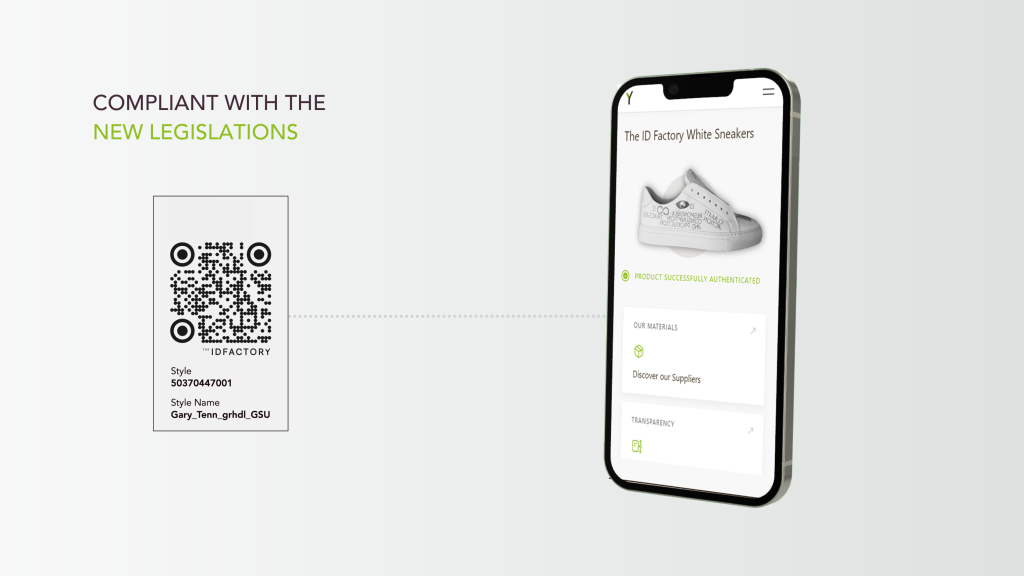
The intended introduction of a digital product passport will enable the collection and sharing of product data throughout the entire life cycle of a product. This will provide insight into how sustainable, environmentally friendly and recyclable the product is. A DPP is essentially a product-specific dataset that makes publicly available both legally required and voluntarily designated information in a structured manner. The passport can inform consumers and other parties involved in the life cycle of a product about the origin, composition, repair and disassembly possibilities and recycling options of the various components. The European Commission proposes to apply DPPs to support the circular economy, decarbonisation and sustainability and to work more transparently by making product information available throughout the value chain. After implementation, the digital product passport will play a role in further enforcement of legal requirements, including extended producer responsibility.
Initially, the EU is targeting DPPs for:
There are currently several European regulations in force that support the use of DPPs in these areas, including:
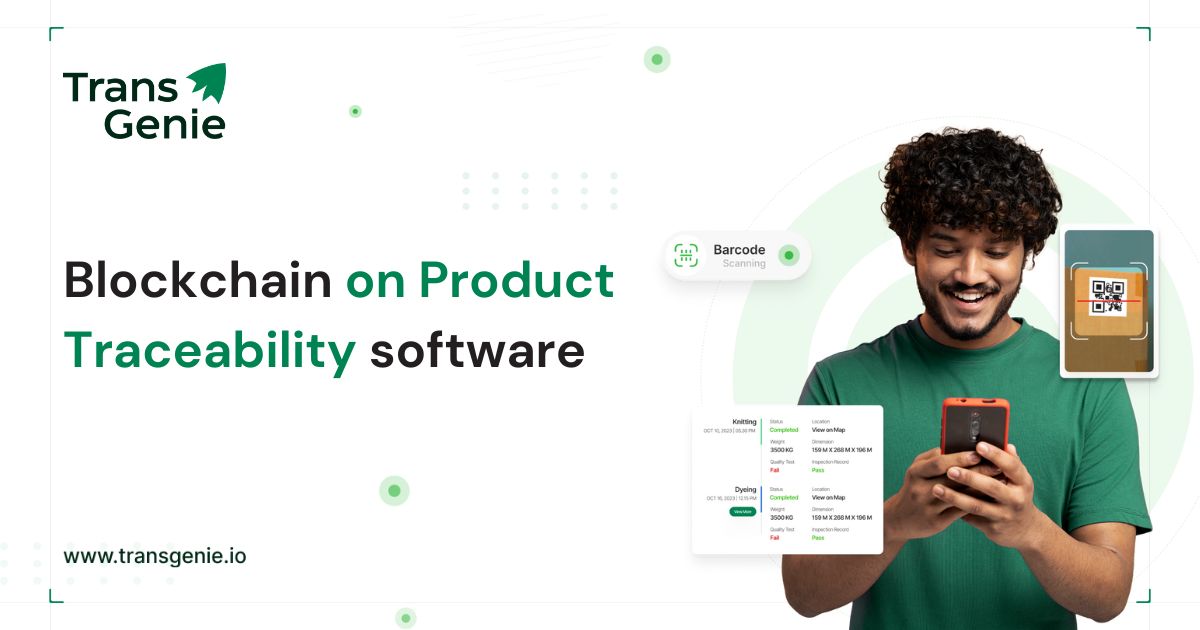
Although the DPP is still in development, there are clear benefits for companies to get started early: increased consumer confidence, better regulatory compliance, greater product visibility and blockchain traceability solutions, and greater engagement with global sustainability goals.
The European consortium developing the Digital Product Passport (CIRPASS) is making the necessary preparations for pilots and gradual introduction of DPPs in Europe.
What can be Included in a DPP?
As the regulation is still in the draft phase, the final data requirements for DPPs remain speculative. However, it is almost certain that a digital passport will contain the following elements:
Access to this data allows consumers to compare the ingredients and CO2 emissions of products on the supermarket shelves, or other information that is important to them personally or to their lifestyle so that they can make an informed choice. The digital passport can contain information about returns, contact details of the manufacturer or instructions for preparing the product and recycling the packaging. The latter is particularly relevant when we consider that 91% of all plastic waste is still not recycled by consumers and much of it ends up in landfills.
Companies also benefit from the digital product passport. Manufacturers can more easily identify the source of malfunctions or problems and generate warnings for other products that may have a similar problem. At the end of the life cycle, the DPP can be used to form an image of the amount of waste generated by a specific product, product range or manufacturer. This provides tools to tackle waste at the source and make a positive contribution to sustainability and Net Zero objectives.
Use of the Digital Product Passport
Manufacturers probably cannot afford to wait until the draft regulation has been adopted before starting to work on DPPs. A database will need to be set up for all product information in the DPPs, with separate codes referring to information on individual products. The industry is already working on a system that will enable this, with an emphasis on open-source solutions to encourage collaboration, consistency and best practices. This will make it easier to respond to existing and new legislation and regulations.
Conclusion
The digital product passport, a revolutionary concept, has the potential to redefine the way products are traced, managed, and consumed. By providing a comprehensive digital record of a product's journey, from raw materials to end-of-life, it offers a wealth of benefits for consumers, businesses, and the environment.
As we embrace the digital age, the digital product passport emerges as a powerful tool for fostering transparency, sustainability, and consumer confidence. By implementing this technology, we can create a more responsible and ethical global marketplace, ensuring that products are produced, distributed, and consumed in a way that benefits both people and the planet.