Introduction
The evolution of vaping and vape liquid is a fascinating journey that intertwines with the history of smoking, the desire for alternatives, and technological innovation. Vape liquid, also known as e-liquid or e-juice, is the fluid used in electronic cigarettes (e-cigarettes) and other vaporizing devices that is heated to produce vapor. This vapor is then inhaled, offering users a sensation similar to smoking traditional tobacco products. Understanding the origins of vape liquid involves exploring the development of both the concept of vaporization and the cultural and scientific needs that led to its creation.
The Early Days: Smoking Alternatives and Vaporization
The concept of vaporization can be traced back to ancient times when people would inhale the vapors of herbs and oils for therapeutic and ceremonial purposes. The early practices of vaporizing substances laid the groundwork for the eventual development of modern vaping. However, the primary drive for the creation of vape liquid and devices came from a desire to provide a safer alternative to smoking.
In the 20th century, smoking had become increasingly popular, but so had awareness of the health risks associated with tobacco use. Medical research consistently linked smoking with severe health issues, including lung cancer, heart disease, and respiratory problems. By the 1960s and 1970s, anti-smoking campaigns were gaining momentum, and smokers were looking for less harmful alternatives. Nicotine replacement therapies, such as patches and gum, were developed to help smokers quit, but they did not replicate the physical sensation of smoking.
The Invention of the Electronic Cigarette
The invention of the electronic cigarette, often considered the precursor to modern vaping devices, marked a significant turning point in the development of vape liquid. Hon Lik, a Chinese pharmacist and inventor, is credited with creating the first commercially viable e-cigarette in 2003. Lik was motivated by personal loss, as his father had died of lung cancer, and he wanted to find a safer way to deliver nicotine.
Hon Lik’s device used a heating element to vaporize a liquid solution containing nicotine, propylene glycol (PG), and flavorings. This vape liquid would later be known as vape liquid or e-liquid. The use of PG as a base ingredient was key because it produced a visible vapor that mimicked the experience of smoking without combustion. This vaporization process did not involve burning tobacco, significantly reducing the number of harmful chemicals typically found in cigarette smoke.
The Composition of Early Vape Liquids
The original vape liquids were relatively simple in composition, usually containing just a few basic ingredients:
The Rise of Vaping Culture
With the commercial availability of e-cigarettes in the mid-2000s, the vaping culture began to emerge. The introduction of a range of vape liquid flavors and the development of more sophisticated vaping devices attracted a growing number of users. The perception of vaping as a less harmful alternative to smoking helped its popularity surge, particularly among those looking to quit smoking or reduce their nicotine intake.
Vaping communities started forming both online and offline, creating spaces where enthusiasts could share experiences, discuss the latest devices and flavors, and advocate for vaping as a smoking cessation tool. The expansion of these communities played a vital role in the spread of vaping culture globally.
Evolution of Vape Liquid Formulations
As vaping gained popularity, the demand for more variety and improved vape liquid formulations grew. Manufacturers began experimenting with different ratios of PG to VG, resulting in vape liquids that catered to diverse preferences. High-PG liquids provided a stronger throat hit, which many ex-smokers preferred, while high-VG liquids produced denser vapor clouds and a smoother inhalation experience.
Flavor innovation also took off, with companies developing more complex and unique flavor profiles. Vape liquid flavors expanded beyond traditional tobacco and menthol to include fruity, dessert, and beverage-inspired options. The rise of premium e-liquids, which emphasized quality ingredients and more refined flavors, reflected the maturing market and the diverse tastes of vapers.
Regulation and Safety Concerns
The rapid growth of the vaping industry did not come without challenges. As the popularity of vape liquid and e-cigarettes increased, so did concerns about their safety and regulation. Initial skepticism centered on the long-term health effects of inhaling vaporized substances and the potential risks associated with ingredients used in vape liquids.
Regulatory bodies worldwide began implementing rules to ensure the safety and quality of vape products. In the United States, for instance, the Food and Drug Administration (FDA) started regulating e-cigarettes and vape liquids in 2016, requiring manufacturers to disclose ingredients and undergo testing for safety and efficacy. Similar regulations were introduced in the European Union, Canada, and other regions to protect consumers.
The Present and Future of Vape Liquid
Today, the vape liquid market is a multi-billion-dollar industry with a wide range of products catering to different tastes and preferences. From nicotine-free options to high-strength nicotine salts, the diversity of vape liquids has expanded significantly. The innovation continues, with companies exploring new ways to enhance the vaping experience, such as the development of CBD-infused vape liquids and hybrid formulations.
The future of vape liquid will likely be shaped by ongoing research into the health effects of vaping, advancements in technology, and regulatory developments. While vaping is still considered less harmful than smoking traditional cigarettes, public health officials and researchers continue to study its long-term impacts.
Conclusion
The origins of vape liquid are deeply rooted in the quest for a safer smoking alternative and the evolution of vaporization technology. From Hon Lik’s pioneering invention to the diverse and dynamic market of today, vape liquid has undergone significant transformations in composition, flavor, and regulation. As vaping continues to evolve, understanding its history provides valuable insights into the cultural, technological, and health-related aspects that shape this modern phenomenon.



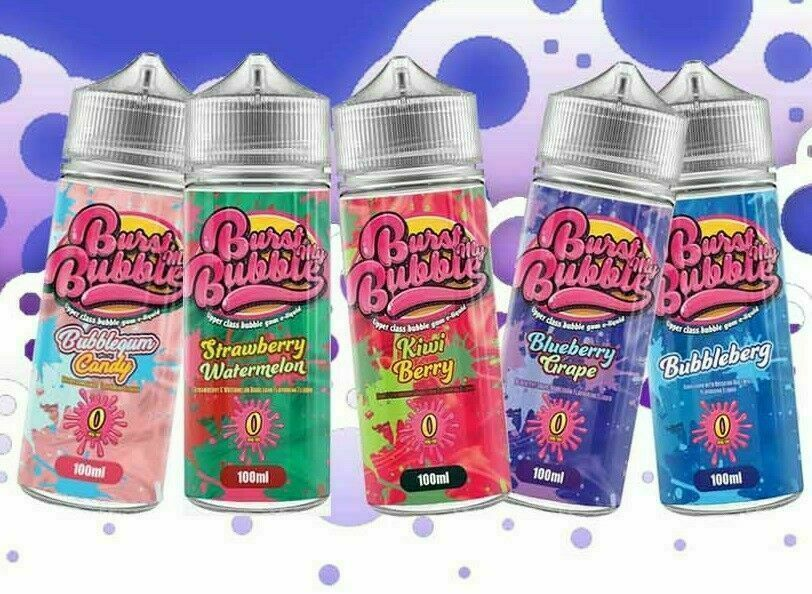

Vape Militia Killing It With Another Amazing Deal Lost Vape Orion DNA Go + Pod & 2 Coil Pack + Any $20 Bottle of Vape Liquid for $70!
If you have had yourRead More:https://vapemilitia.com/lost-vape-orion-dna-bundle/